
Indian carriers woke up on 14 April to industry estimates showing a staggering ₹2,500-crore (about USD 300 million) revenue hit since late February, when the widening Gulf conflict shut large swathes of Iranian airspace and triggered Pakistan to keep its skies closed to Indian operators. The dual blockade has shredded the economics of India–GCC and India–Europe corridors, lengthening block times by up to five hours and pushing turbine-fuel burn 30-35 per cent higher, according to airline executives quoted by Rediff Business. Market leader IndiGo, which had approval for 310 international departures a day in the summer schedule, is now flying barely 60 % of that programme after axing 115 Gulf flights and 10 services to CIS destinations. Air India and Air India Express together have dropped more than half of their planned GCC frequencies, leaving wide-body aircraft under-utilised on the tarmac.
![West Asia conflict forces Indian airlines to absorb ₹2,500-crore hit as key Gulf and Europe routes unravel]()
For travellers needing to adjust plans at short notice, getting the right paperwork in order can be another headache. VisaHQ’s India portal (https://www.visahq.com/india/) helps smooth this process by offering fast, online visa applications, real-time tracking, and expert guidance for destinations across the Gulf, Europe, North America and beyond—so passengers can concentrate on navigating schedule changes rather than struggling with documentation.
Attempts to redeploy capacity on domestic routes are hamstrung by slot constraints and weak demand alignment, with airlines warning of fare spikes once the traditional summer peak begins in May. Long-haul routes are suffering just as acutely. A Delhi–Manchester flight now detours around both Iran and Pakistan, adding over three hours to flight time; US west-coast services face even steeper penalties. Executives say the detours give an advantage to European carriers that can still overfly Pakistan and pick up Indian traffic via their hubs. Lufthansa has already announced daily Frankfurt–Delhi service starting end-April, while Air Canada, Swiss and British Airways plan rapid frequency additions. The higher fuel burn is set to translate into additional fuel surcharges for passengers and further erode already-thin margins. Airlines have begun lobbying the Ministry of Civil Aviation for a temporary reduction in ATF taxes and airport charges, warning that sustained losses will jeopardise expansion plans and the government’s ambition to position India as a transit hub. For corporate mobility managers, the message is clear: expect longer journey times, tightened seat supply and notably higher fares on West-bound itineraries through at least mid-year.

For travellers needing to adjust plans at short notice, getting the right paperwork in order can be another headache. VisaHQ’s India portal (https://www.visahq.com/india/) helps smooth this process by offering fast, online visa applications, real-time tracking, and expert guidance for destinations across the Gulf, Europe, North America and beyond—so passengers can concentrate on navigating schedule changes rather than struggling with documentation.
Attempts to redeploy capacity on domestic routes are hamstrung by slot constraints and weak demand alignment, with airlines warning of fare spikes once the traditional summer peak begins in May. Long-haul routes are suffering just as acutely. A Delhi–Manchester flight now detours around both Iran and Pakistan, adding over three hours to flight time; US west-coast services face even steeper penalties. Executives say the detours give an advantage to European carriers that can still overfly Pakistan and pick up Indian traffic via their hubs. Lufthansa has already announced daily Frankfurt–Delhi service starting end-April, while Air Canada, Swiss and British Airways plan rapid frequency additions. The higher fuel burn is set to translate into additional fuel surcharges for passengers and further erode already-thin margins. Airlines have begun lobbying the Ministry of Civil Aviation for a temporary reduction in ATF taxes and airport charges, warning that sustained losses will jeopardise expansion plans and the government’s ambition to position India as a transit hub. For corporate mobility managers, the message is clear: expect longer journey times, tightened seat supply and notably higher fares on West-bound itineraries through at least mid-year.
More From India
View all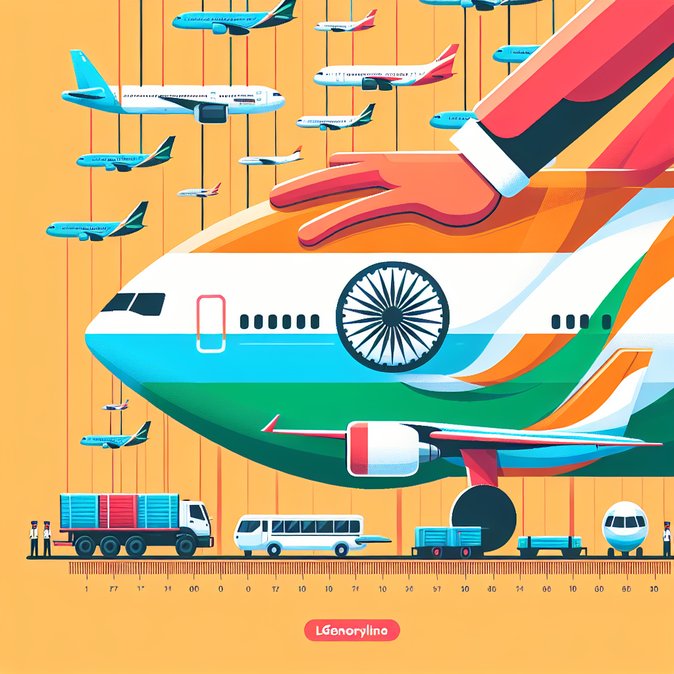
Dubai caps Indian carriers at one flight per day until 31 May, Federation of Indian Airlines seeks reciprocal action
MEA says 100 flights from UAE to India will operate today as repatriation corridor holds despite Gulf turmoil