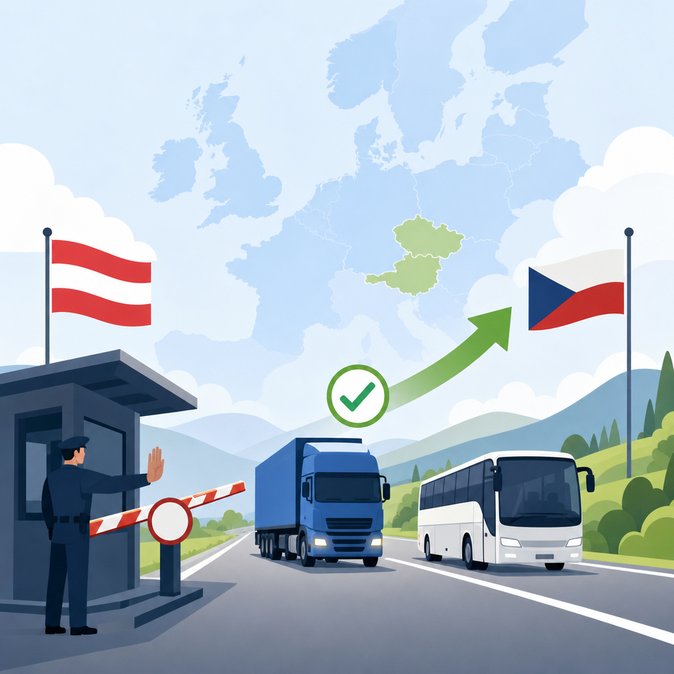
At its cabinet meeting on 3 June 2026, the Czech government approved a far-reaching “bezpečnostní novela” (security amendment) that tightens rules for asylum, temporary protection and long-term residence. Interior Minister Lubomír Metnar said the package amends seven separate laws to curb abuse, strengthen border-crime penalties and bring refugee benefits under stricter oversight. The bill now heads to parliament, where the governing coalition holds a narrow majority.
![Czech Government Approves Sweeping ‘Security Amendment’ to Migration Laws]()
For individuals and companies trying to keep pace with these shifting requirements, VisaHQ’s online platform (https://www.visahq.com/czech-republic/) offers up-to-date guidance, customised checklists and application tracking for Czech visas and residence permits—tools that can save HR teams and migrants both time and costly errors.
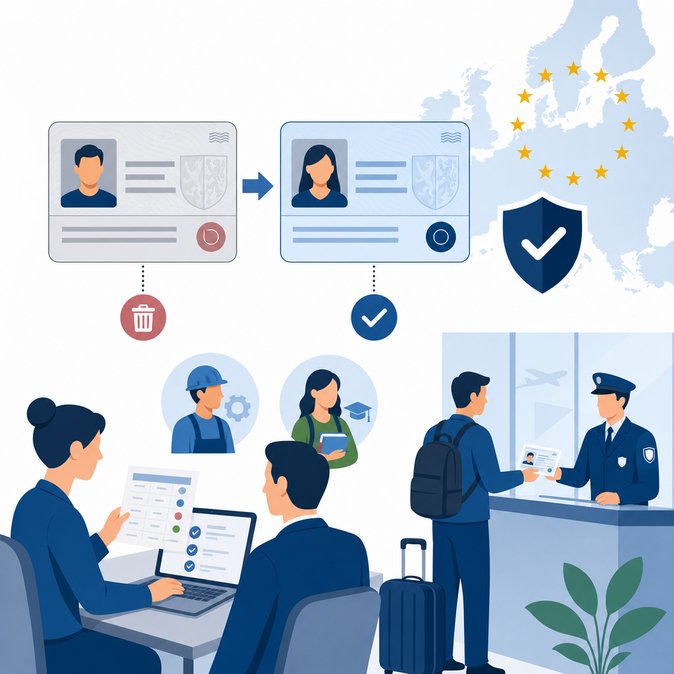
One headline change affects holders of EU-wide temporary protection, the status granted to around 340,000 Ukrainians in Czechia. Under the draft, protection would automatically lapse if a beneficiary leaves the country for more than 30 days without justification or is convicted of a serious crime. The ministry argues that similar “continuity of stay” clauses exist in many EU states and that they deter so-called “benefits tourism”. The amendment also raises the bar for converting from temporary protection to the new “special long-term residence” permit introduced earlier this year. Applicants will have to present proof of paid taxes, health-insurance contributions and a clean criminal record; they will also undergo a security screening by the intelligence service. Employers who sponsor staff for the permit will face spot audits of wage and working-conditions compliance. For HR teams in manufacturing and IT—two sectors that rely heavily on Ukrainian talent—the stricter rules may require updating onboarding checklists, especially for employees who travel back to Ukraine or other EU countries for extended periods. Immigration advisers recommend tracking exit stamps and urging workers to keep flight or train receipts that show prompt re-entry. Companies should also budget extra lead-time for background checks when switching staff from protection to long-term status. The government sees the bill as a prerequisite for phasing out temporary protection once EU-level measures expire, possibly in 2027. Opposition parties complain that it criminalises legitimate refugees and places new administrative burdens on NGOs that distribute humanitarian aid. Parliamentary debate is expected later this month, with the coalition aiming for entry into force on 1 January 2027.

For individuals and companies trying to keep pace with these shifting requirements, VisaHQ’s online platform (https://www.visahq.com/czech-republic/) offers up-to-date guidance, customised checklists and application tracking for Czech visas and residence permits—tools that can save HR teams and migrants both time and costly errors.
One headline change affects holders of EU-wide temporary protection, the status granted to around 340,000 Ukrainians in Czechia. Under the draft, protection would automatically lapse if a beneficiary leaves the country for more than 30 days without justification or is convicted of a serious crime. The ministry argues that similar “continuity of stay” clauses exist in many EU states and that they deter so-called “benefits tourism”. The amendment also raises the bar for converting from temporary protection to the new “special long-term residence” permit introduced earlier this year. Applicants will have to present proof of paid taxes, health-insurance contributions and a clean criminal record; they will also undergo a security screening by the intelligence service. Employers who sponsor staff for the permit will face spot audits of wage and working-conditions compliance. For HR teams in manufacturing and IT—two sectors that rely heavily on Ukrainian talent—the stricter rules may require updating onboarding checklists, especially for employees who travel back to Ukraine or other EU countries for extended periods. Immigration advisers recommend tracking exit stamps and urging workers to keep flight or train receipts that show prompt re-entry. Companies should also budget extra lead-time for background checks when switching staff from protection to long-term status. The government sees the bill as a prerequisite for phasing out temporary protection once EU-level measures expire, possibly in 2027. Opposition parties complain that it criminalises legitimate refugees and places new administrative burdens on NGOs that distribute humanitarian aid. Parliamentary debate is expected later this month, with the coalition aiming for entry into force on 1 January 2027.