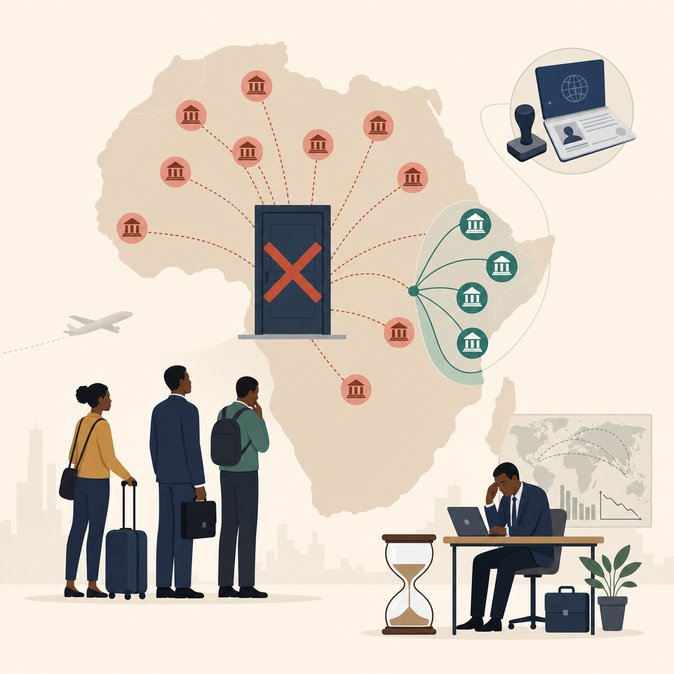
The U.S. State Department is preparing to shrink its network of African embassies and consulates that issue U.S. visas from nearly 50 posts to just 20 over the next few weeks, according to an internal memorandum obtained by the Associated Press. Senior officials say the consolidation is part of a broader push by the Trump administration to curb both temporary and permanent migration, arguing that centralizing adjudications will make it easier to police fraud and track overstays. For corporate mobility managers, the immediate consequence is a dramatic contraction of appointment slots for work, study and visitor visas across the continent. Companies that rely on talent from tech hubs such as Lagos, Nairobi and Cape Town—or that rotate executives through regional headquarters—should expect wait-time spikes as applicants are funneled to “regional processing hubs” in Abuja, Addis Ababa, Johannesburg, Nairobi and a handful of others.
![State Department to Slash Visa-Processing Posts in Africa, Leaving Only 20 Embassies Handling Applications]()
In this environment, companies and individual travelers looking to navigate the shifting U.S. consular map can outsource much of the administrative burden to a specialist such as VisaHQ. The platform tracks appointment availability in real time, provides consulate-specific document checklists, and can coordinate secure courier services so applicants make fewer trips. Learn more at https://www.visahq.com/united-states/
Firms will need to budget for additional intra-Africa travel and lodging costs while employees attend interviews, and they should build extra lead time into project schedules. The memo indicates that applicants already in the queue at shuttered posts will be reassigned automatically, but practitioners warn that medical exams, police certificates and scheduling logistics will have to be repeated if country-specific validity windows expire. Employers that sponsor H-1B, L-1 or Blanket L applicants may wish to convert to stateside extensions or consider visa revalidation in Canada or Mexico to avoid the anticipated bottleneck. Human-rights organizations have criticized the plan for disproportionately affecting lower-income Africans who cannot afford to fly across borders for consular appointments. Immigration attorneys also point out that the U.S. has no plans to bolster staffing at the remaining posts, raising the risk of systemic delays similar to those that plagued pandemic-era backlogs. The State Department declined to comment on staffing levels but said it would “continue to provide the highest-quality customer service consistent with U.S. security priorities.” Longer term, experts expect the cutbacks to push more African travelers toward Schengen states or the United Kingdom, which have invested heavily in mobile biometrics and third-party visa-application centers. For U.S. multinationals competing for talent, the policy could become another hurdle in an already fierce global recruitment landscape.

In this environment, companies and individual travelers looking to navigate the shifting U.S. consular map can outsource much of the administrative burden to a specialist such as VisaHQ. The platform tracks appointment availability in real time, provides consulate-specific document checklists, and can coordinate secure courier services so applicants make fewer trips. Learn more at https://www.visahq.com/united-states/
Firms will need to budget for additional intra-Africa travel and lodging costs while employees attend interviews, and they should build extra lead time into project schedules. The memo indicates that applicants already in the queue at shuttered posts will be reassigned automatically, but practitioners warn that medical exams, police certificates and scheduling logistics will have to be repeated if country-specific validity windows expire. Employers that sponsor H-1B, L-1 or Blanket L applicants may wish to convert to stateside extensions or consider visa revalidation in Canada or Mexico to avoid the anticipated bottleneck. Human-rights organizations have criticized the plan for disproportionately affecting lower-income Africans who cannot afford to fly across borders for consular appointments. Immigration attorneys also point out that the U.S. has no plans to bolster staffing at the remaining posts, raising the risk of systemic delays similar to those that plagued pandemic-era backlogs. The State Department declined to comment on staffing levels but said it would “continue to provide the highest-quality customer service consistent with U.S. security priorities.” Longer term, experts expect the cutbacks to push more African travelers toward Schengen states or the United Kingdom, which have invested heavily in mobile biometrics and third-party visa-application centers. For U.S. multinationals competing for talent, the policy could become another hurdle in an already fierce global recruitment landscape.
More From United States of America
View all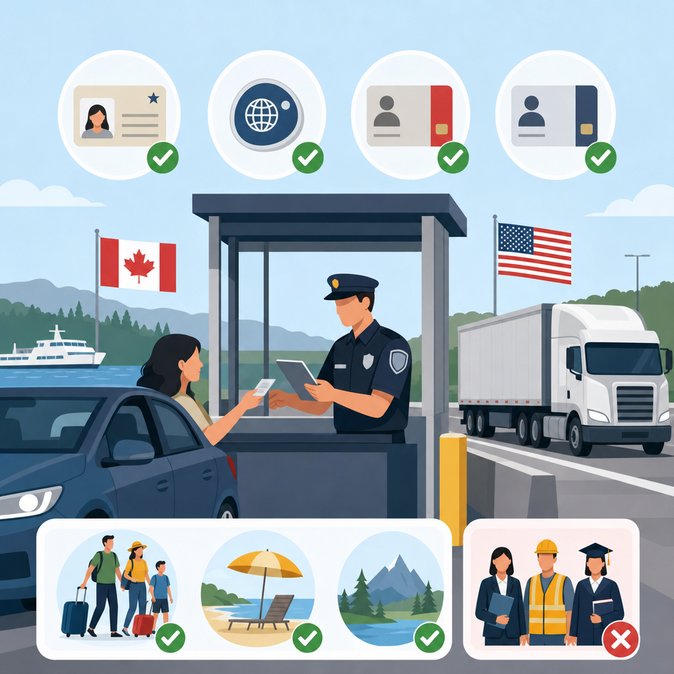
CBP Clarifies Canadians Can Cross U.S. Land and Sea Borders With Enhanced IDs—No Passport or Visa Needed for Short Visits
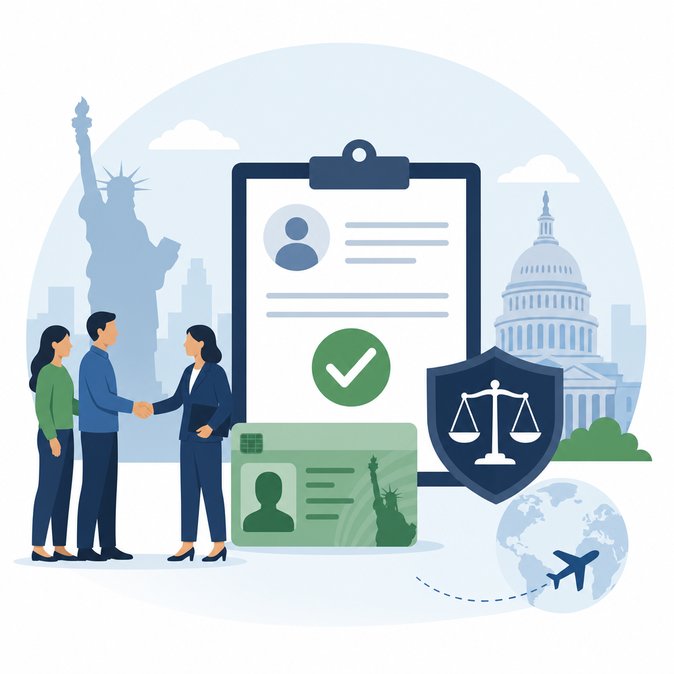
DHS walks back ‘leave-the-country’ guidance for employment-based green-card applicants