A deep-dive published 29 May by The Financial Express highlights what global mobility managers have sensed for months: U.S. non-immigrant visa wait times are now the longest in recent memory, with some India-based H-1B workers reporting no stamping slots until mid-2027.
![Visa appointment queues hit new record as multiple U.S. policy shifts collide]()
For those scrambling for clarity, third-party facilitation services such as VisaHQ can provide a lifeline. Through its dedicated U.S. portal (https://www.visahq.com/united-states/), the platform aggregates real-time consular updates, appointment trends and document checklists, helping employers and assignees forecast timelines and avoid common errors that trigger rejections.
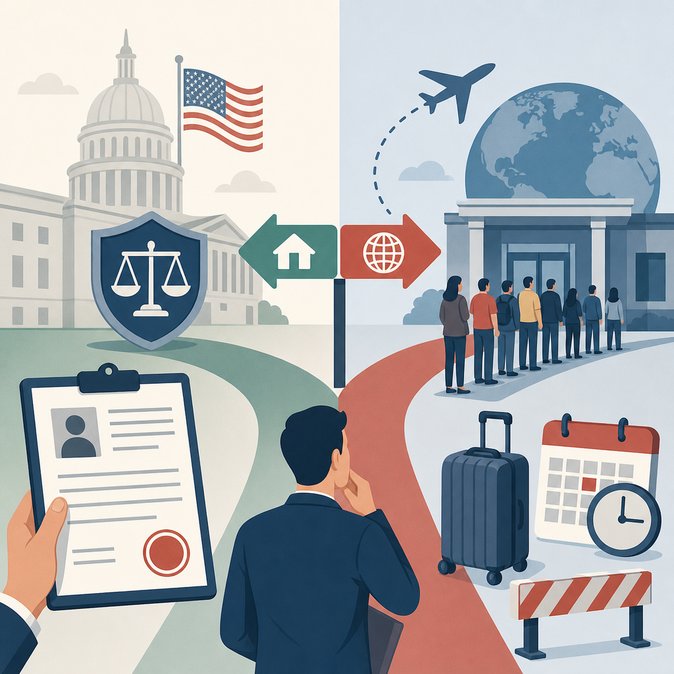
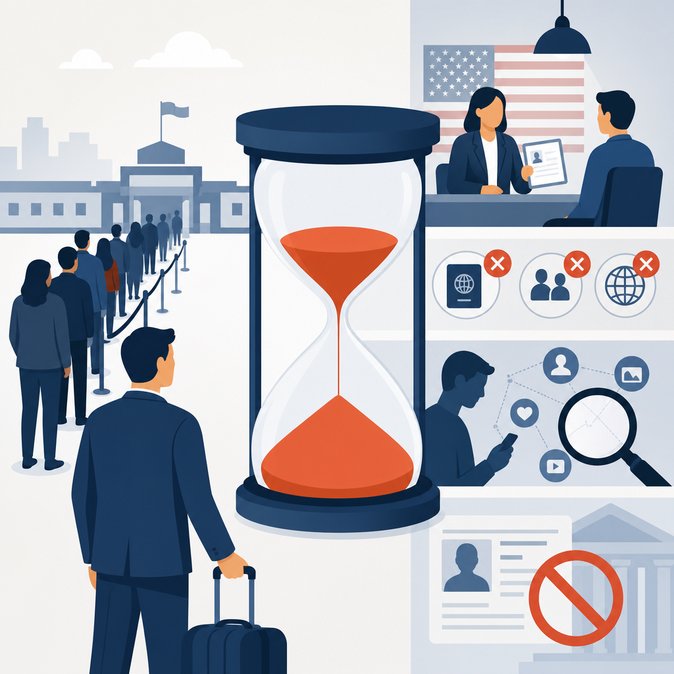
Immigration firm Reddy Neumann Brown attributes the crisis to a rapid succession of policy changes since 2025. First, the State Department cut the interview-waiver eligibility window from 48 months to 12, forcing a flood of renewals back into consular queues. Then, on 2 September 2025, in-person interviews became mandatory for almost all categories, including children under 14 and seniors over 79. Four days later, the Department barred “third-country national” appointments, ending the long-standing practice of scheduling faster interviews in Canada or Mexico. Add expanded social-media vetting and the 22 May 2026 USCIS memo discouraging domestic adjustment of status, and the result is a cascading backlog. For U.S. companies, the bottleneck is more than an inconvenience. Delayed visa issuance translates into stalled project roll-outs, missed client deadlines and costly re-routing of travel. Human-resources teams are fielding frantic questions about start-date pushes and whether remote work from abroad is permissible under export-control rules. Experts forecast little relief in the near term. With the busy World Cup-summer travel season looming, embassy staffing is already stretched. While emergency expedite requests remain possible, approval rates have plummeted. Employers are therefore advised to: (a) file renewal petitions at the earliest statutory window; (b) factor six-to-12-month lead times into project planning; and (c) explore alternative visa classifications or remote-work structures where feasible. The silver lining? Persistent pressure from industry may yet spur the State Department to restore interview waivers or expand domestic visa-renewal pilots – but those fixes are unlikely before FY 2027, leaving mobility teams to navigate a historically tight year ahead.

For those scrambling for clarity, third-party facilitation services such as VisaHQ can provide a lifeline. Through its dedicated U.S. portal (https://www.visahq.com/united-states/), the platform aggregates real-time consular updates, appointment trends and document checklists, helping employers and assignees forecast timelines and avoid common errors that trigger rejections.
Immigration firm Reddy Neumann Brown attributes the crisis to a rapid succession of policy changes since 2025. First, the State Department cut the interview-waiver eligibility window from 48 months to 12, forcing a flood of renewals back into consular queues. Then, on 2 September 2025, in-person interviews became mandatory for almost all categories, including children under 14 and seniors over 79. Four days later, the Department barred “third-country national” appointments, ending the long-standing practice of scheduling faster interviews in Canada or Mexico. Add expanded social-media vetting and the 22 May 2026 USCIS memo discouraging domestic adjustment of status, and the result is a cascading backlog. For U.S. companies, the bottleneck is more than an inconvenience. Delayed visa issuance translates into stalled project roll-outs, missed client deadlines and costly re-routing of travel. Human-resources teams are fielding frantic questions about start-date pushes and whether remote work from abroad is permissible under export-control rules. Experts forecast little relief in the near term. With the busy World Cup-summer travel season looming, embassy staffing is already stretched. While emergency expedite requests remain possible, approval rates have plummeted. Employers are therefore advised to: (a) file renewal petitions at the earliest statutory window; (b) factor six-to-12-month lead times into project planning; and (c) explore alternative visa classifications or remote-work structures where feasible. The silver lining? Persistent pressure from industry may yet spur the State Department to restore interview waivers or expand domestic visa-renewal pilots – but those fixes are unlikely before FY 2027, leaving mobility teams to navigate a historically tight year ahead.