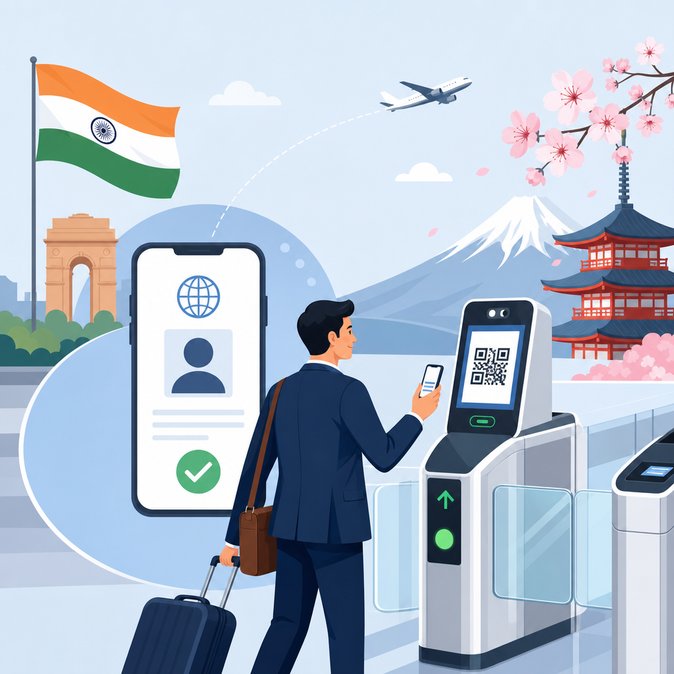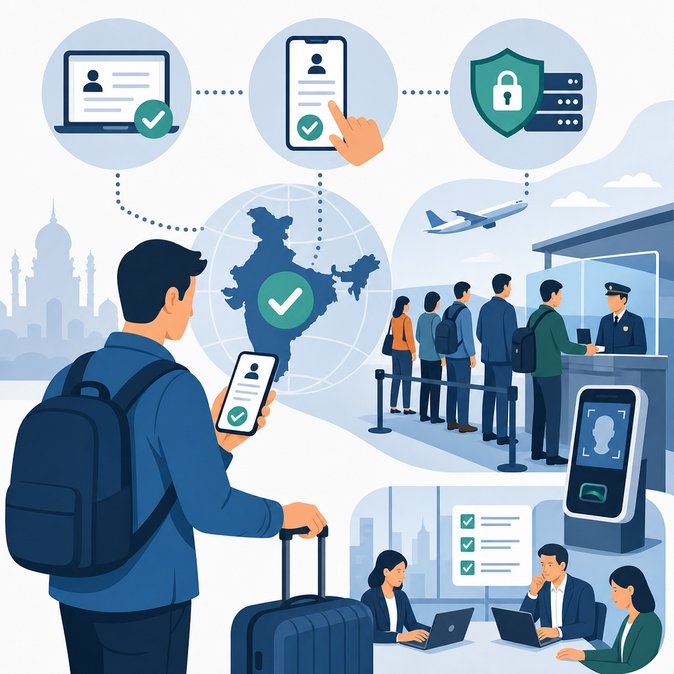
The Embassy of India in Bratislava updated its consular website on 31 May to reiterate that all foreign nationals—including Overseas Citizen of India (OCI) card-holders—must complete an electronic Arrival Card (e-Arrival Card) prior to boarding a flight to India. While the digital disembarkation requirement came into force last October, several missions say large numbers of passengers still arrive without the submission, causing delays at immigration counters. The e-Arrival Card replaces the long-standing paper disembarkation card and can be filed via the government’s Su-Swagatam mobile app or the indianvisaonline.gov.in portal up to 72 hours before travel. Travellers must upload passport details, flight information and a self-declaration on baggage and customs items.
![Indian Missions Remind Travellers: e-Arrival Card Now Mandatory Before Landing in India]()
For travellers who would rather not navigate yet another online form, VisaHQ offers a streamlined service that can handle the e-Arrival Card submission end-to-end, monitor approval status, and issue proactive alerts if corrections are needed. Its India portal (https://www.visahq.com/india/) also aggregates the latest visa, OCI and passport guidance in one place, saving busy mobility managers valuable time.
For global mobility teams the change is operationally significant: failure to complete the form triggers on-arrival data entry at dedicated kiosks, adding 10–15 minutes per passenger—an unwelcome delay for VIP delegations or time-sensitive assignees. Airlines are under regulatory pressure to deny boarding to non-compliant travellers and have begun issuing pre-departure reminders at check-in. From a security standpoint, the digital card feeds passenger data into India’s Immigration, Visa, Foreigners Registration & Tracking (IVFRT) platform in real time, giving authorities an early view of each inbound flight manifest. Coupled with API feeds from airlines and new biometric e-gates at Delhi, Mumbai and Bengaluru, officials say the system will strengthen risk-profiling while accelerating clearance for low-risk travellers. Mobility advisers recommend that companies add the e-Arrival Card to their pre-trip checklists, especially for short-notice travel. Several relocation firms have built automated reminders into their travel-approval tools as a compliance safeguard. Expect further tweaks: the Ministry of Home Affairs plans to integrate Aadhaar-based identity verification later this year, which could eventually collapse the e-Arrival form into a single biometric swipe at immigration.

For travellers who would rather not navigate yet another online form, VisaHQ offers a streamlined service that can handle the e-Arrival Card submission end-to-end, monitor approval status, and issue proactive alerts if corrections are needed. Its India portal (https://www.visahq.com/india/) also aggregates the latest visa, OCI and passport guidance in one place, saving busy mobility managers valuable time.
For global mobility teams the change is operationally significant: failure to complete the form triggers on-arrival data entry at dedicated kiosks, adding 10–15 minutes per passenger—an unwelcome delay for VIP delegations or time-sensitive assignees. Airlines are under regulatory pressure to deny boarding to non-compliant travellers and have begun issuing pre-departure reminders at check-in. From a security standpoint, the digital card feeds passenger data into India’s Immigration, Visa, Foreigners Registration & Tracking (IVFRT) platform in real time, giving authorities an early view of each inbound flight manifest. Coupled with API feeds from airlines and new biometric e-gates at Delhi, Mumbai and Bengaluru, officials say the system will strengthen risk-profiling while accelerating clearance for low-risk travellers. Mobility advisers recommend that companies add the e-Arrival Card to their pre-trip checklists, especially for short-notice travel. Several relocation firms have built automated reminders into their travel-approval tools as a compliance safeguard. Expect further tweaks: the Ministry of Home Affairs plans to integrate Aadhaar-based identity verification later this year, which could eventually collapse the e-Arrival form into a single biometric swipe at immigration.
More From India
View all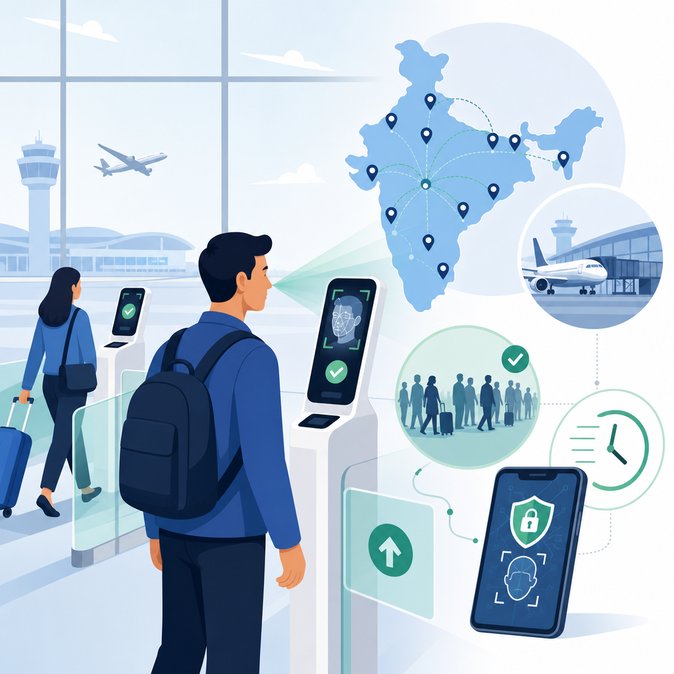
India to Expand Biometric ‘Digi Yatra’ Fast-Track to 27 More Airports After Hitting 100 Million Journeys
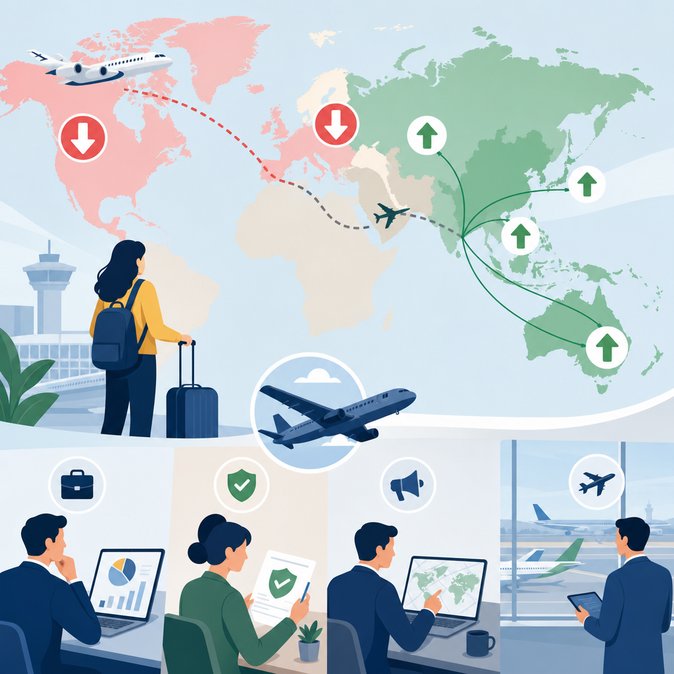
High Airfares and Geopolitical Turbulence Push Indian Leisure Travellers Toward Short-Haul Asia-Pacific Routes