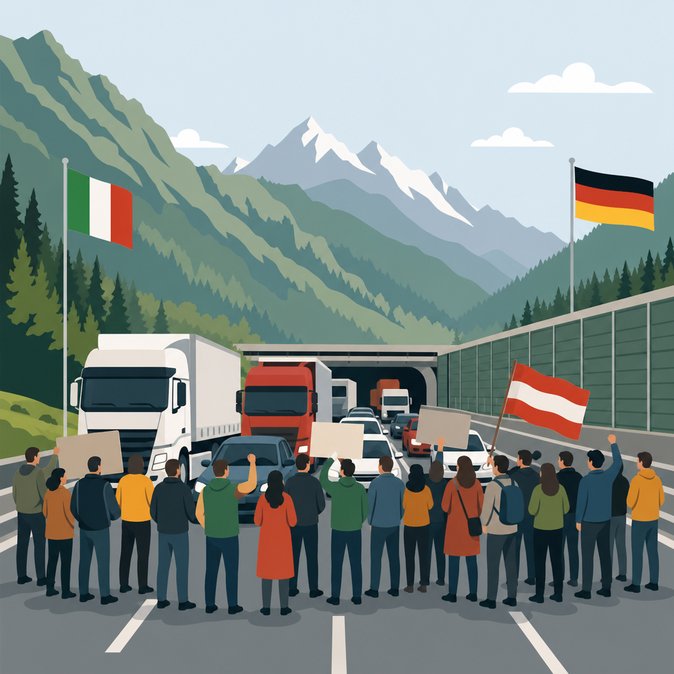
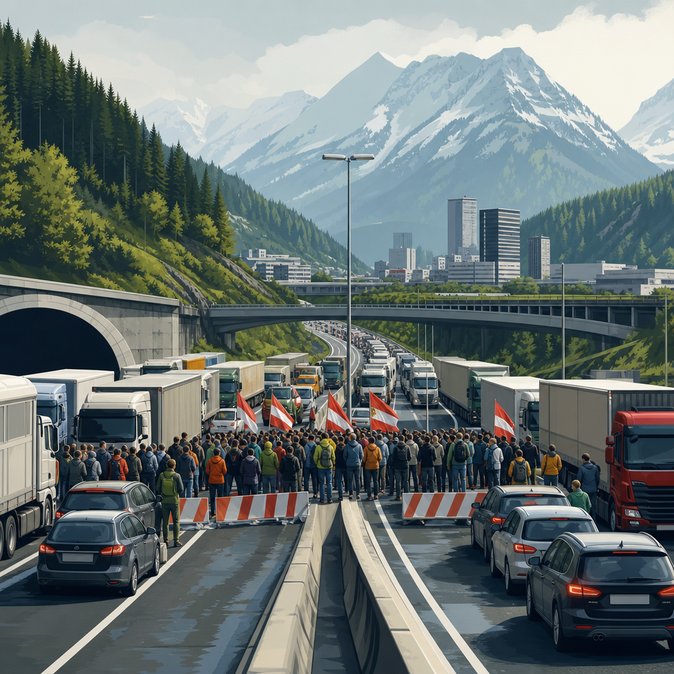
Traffic planners’ worst-case scenario materialised on 30 May when more than 3,000 Tyrolean residents walked onto the A13 Brenner motorway at Matrei-am-Brenner and brought Europe’s busiest north-south freight and tourist artery to a stand-still for eight hours. The symbolic blockade, led by the mayor of the Austrian border town of Gries am Brenner, was aimed at forcing Vienna, Rome and Berlin to curb the daily flow of 9,000 lorries and tens of thousands of holidaymakers funnelled through the narrow Wipp Valley.
![Brenner Bottleneck: Alpine Protest Shuts Key Corridor Between Italy and Germany]()
While freight operators wrestle with alternative routes, individual travellers and rotating crews still need their paperwork in order. VisaHQ’s Italian portal (https://www.visahq.com/italy/) makes that part easy, offering quick visa checks, streamlined passport renewals and expedited processing—so a sudden reroute through Switzerland or France won’t be derailed by missing documents.
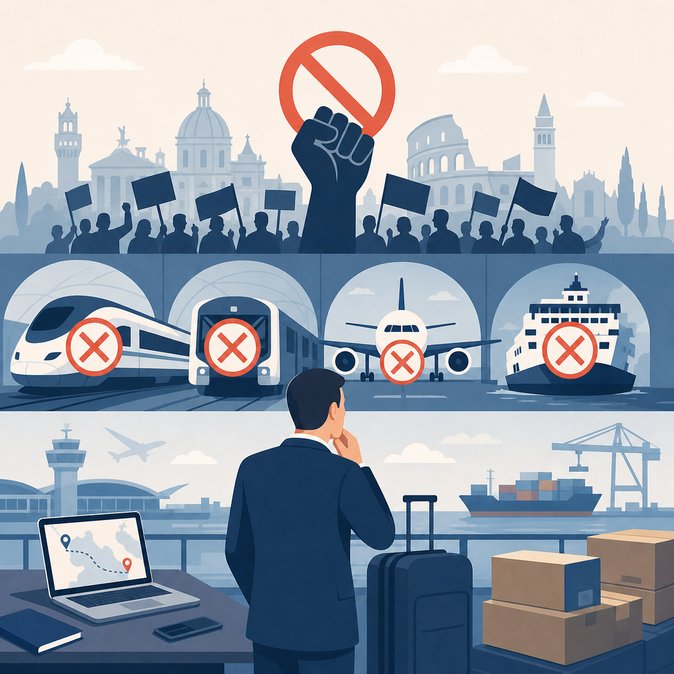
Although advance warnings kept most drivers away, the closure diverted heavy traffic toward Italy’s A22 motorway and onto already strike-disrupted rail services, underscoring the fragility of cross-border supply chains in the run-up to the summer peak. Italian exporters of fresh food and fashion goods rely on “just-in-time” deliveries via the Brenner; even a short interruption triggers costly detours through Switzerland or the French Alps. Logistics association Confetra estimates that every hour of delay on the corridor costs Italian companies about €700,000 in additional fuel and missed delivery slots. The protest also spotlighted growing legal friction between Austria, which has imposed weekend truck bans and slot systems to protect Alpine communities, and Italy and Germany, which view the unilateral measures as a breach of EU free-movement rules. Rome’s transport ministry signalled it may revive infringement proceedings at the European Court of Justice if Tyrol repeats the blockade during the Pentecost and 2 June holiday exodus. For corporate mobility managers the message is clear: factor political activism into travel and freight planning. Companies with time-critical cargoes should consider rail options via the Verona-Munich “rolling highway”, pre-book parking slots at Tyrolean checkpoints to avoid day-long queues, and brief mobile employees on possible spot-checks or diversions. Airlines serving Verona and Innsbruck are already reporting higher weekend bookings from travellers seeking to bypass Alpine road chaos.
While freight operators wrestle with alternative routes, individual travellers and rotating crews still need their paperwork in order. VisaHQ’s Italian portal (https://www.visahq.com/italy/) makes that part easy, offering quick visa checks, streamlined passport renewals and expedited processing—so a sudden reroute through Switzerland or France won’t be derailed by missing documents.
Although advance warnings kept most drivers away, the closure diverted heavy traffic toward Italy’s A22 motorway and onto already strike-disrupted rail services, underscoring the fragility of cross-border supply chains in the run-up to the summer peak. Italian exporters of fresh food and fashion goods rely on “just-in-time” deliveries via the Brenner; even a short interruption triggers costly detours through Switzerland or the French Alps. Logistics association Confetra estimates that every hour of delay on the corridor costs Italian companies about €700,000 in additional fuel and missed delivery slots. The protest also spotlighted growing legal friction between Austria, which has imposed weekend truck bans and slot systems to protect Alpine communities, and Italy and Germany, which view the unilateral measures as a breach of EU free-movement rules. Rome’s transport ministry signalled it may revive infringement proceedings at the European Court of Justice if Tyrol repeats the blockade during the Pentecost and 2 June holiday exodus. For corporate mobility managers the message is clear: factor political activism into travel and freight planning. Companies with time-critical cargoes should consider rail options via the Verona-Munich “rolling highway”, pre-book parking slots at Tyrolean checkpoints to avoid day-long queues, and brief mobile employees on possible spot-checks or diversions. Airlines serving Verona and Innsbruck are already reporting higher weekend bookings from travellers seeking to bypass Alpine road chaos.