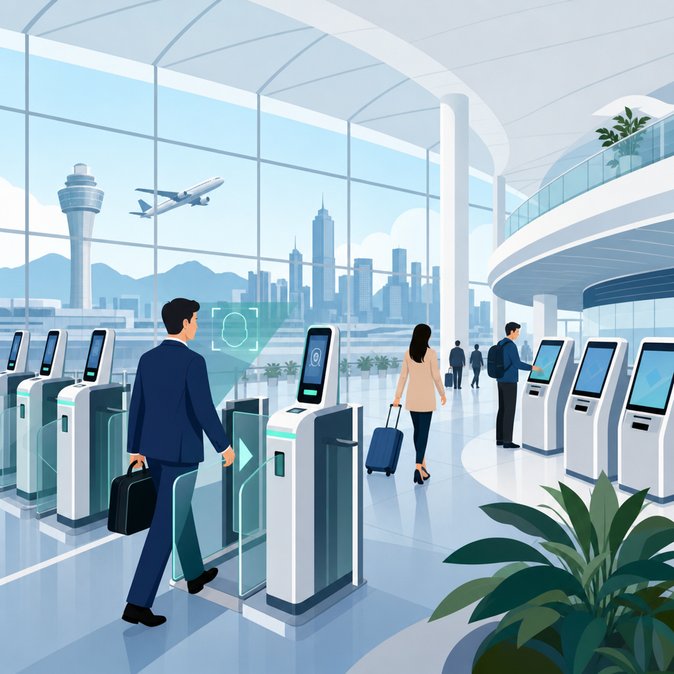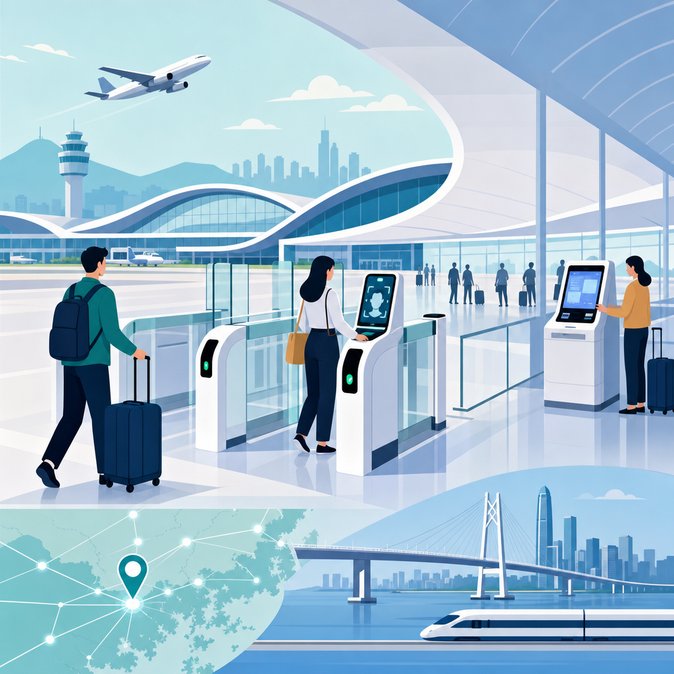
Hong Kong took a decisive step to reclaim its pre-pandemic aviation crown on 28 May with the soft opening of a vastly expanded Terminal 2 (T2) at Hong Kong International Airport.
![Hong Kong International Airport unveils fully-automated Terminal 2, lifting hub capacity to 100 million passengers a year]()
For travellers navigating the renewed surge of flights through Hong Kong, VisaHQ can simplify the paperwork side of the journey. Its Hong Kong portal (https://www.visahq.com/hong-kong/) offers corporate mobility teams and individual flyers a fast, fully online way to check requirements, complete visa applications and track approvals in real time—aligning neatly with the airport’s new emphasis on speed and automation.
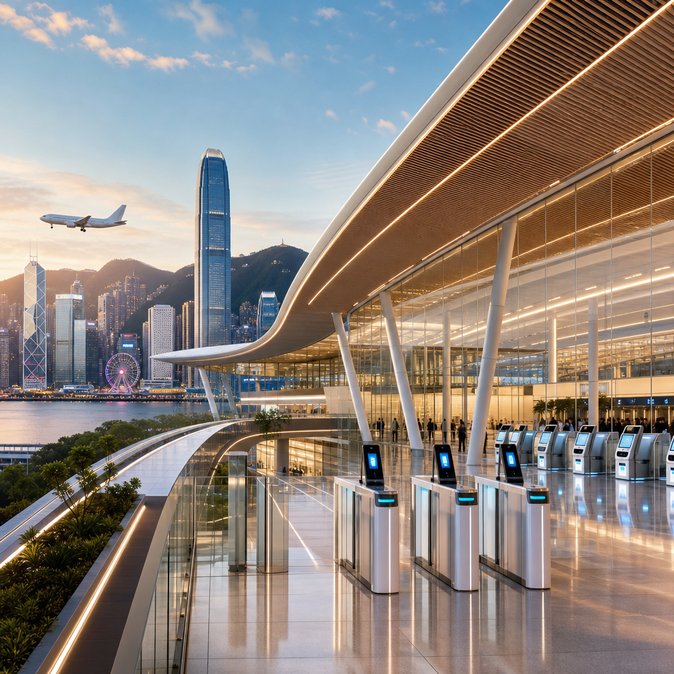
The 3.2-million-square-foot facility—rebuilt over five years at a cost of about US$1.65 billion—introduces end-to-end automation, from 45-second self-check-in kiosks and bag-drop robots to biometric e-gates that let eligible travellers clear immigration without producing a passport. Airport Authority Hong Kong says T2 will handle eight million travellers in its first year before ramping up to 30 million annually once the adjoining third runway comes fully online in 2027. Added to Terminal 1’s 70 million-passenger capacity, the airport will be able to process 100 million passengers a year—matching Atlanta’s Hartsfield-Jackson and leap-frogging regional rivals Guangzhou and Seoul. The design caters to the “digital-native” traveller with hybrid counters, an app-based queue-free security system and entertainment zones ranging from an e-sports arena to an immersive art tunnel. Retail space has been curated to showcase local brands, while restaurants span Jollibee fried chicken to plant-based dim sum, reflecting Hong Kong’s push to reinvent itself as an experiential hub rather than a transit stop. From a mobility perspective, the breakthrough is behind the scenes. All 48 departure gates are swing-configured so airlines can swap between narrow- and wide-body aircraft in real time, maximising peak-hour utilisation. The terminal’s backend is wired into the Immigration Department’s e-Channel platform, meaning corporate travellers enrolled in the frequent-visitor scheme can move from kerb to gate in under 20 minutes. For global mobility managers, the extra capacity and faster throughput translate into more flight options and reduced buffer times for cross-border itineraries across the Greater Bay Area. Analysts note that the upgrade comes as regional competition intensifies: Singapore’s Changi continues to top Skytrax rankings, while Guangzhou Baiyun is now the world’s ninth-busiest airport. Yet Hong Kong still commands a vast catchment of Mainland Chinese passengers and a dense international network via Cathay Pacific and its Oneworld partners. With Terminal 2 online and Mainland demand rebounding after COVID-era restrictions, the city is positioning itself once again as North Asia’s most efficient long-haul gateway—critical for businesses relocating staff or coordinating multi-country assignments across Asia-Pacific.
For travellers navigating the renewed surge of flights through Hong Kong, VisaHQ can simplify the paperwork side of the journey. Its Hong Kong portal (https://www.visahq.com/hong-kong/) offers corporate mobility teams and individual flyers a fast, fully online way to check requirements, complete visa applications and track approvals in real time—aligning neatly with the airport’s new emphasis on speed and automation.
The 3.2-million-square-foot facility—rebuilt over five years at a cost of about US$1.65 billion—introduces end-to-end automation, from 45-second self-check-in kiosks and bag-drop robots to biometric e-gates that let eligible travellers clear immigration without producing a passport. Airport Authority Hong Kong says T2 will handle eight million travellers in its first year before ramping up to 30 million annually once the adjoining third runway comes fully online in 2027. Added to Terminal 1’s 70 million-passenger capacity, the airport will be able to process 100 million passengers a year—matching Atlanta’s Hartsfield-Jackson and leap-frogging regional rivals Guangzhou and Seoul. The design caters to the “digital-native” traveller with hybrid counters, an app-based queue-free security system and entertainment zones ranging from an e-sports arena to an immersive art tunnel. Retail space has been curated to showcase local brands, while restaurants span Jollibee fried chicken to plant-based dim sum, reflecting Hong Kong’s push to reinvent itself as an experiential hub rather than a transit stop. From a mobility perspective, the breakthrough is behind the scenes. All 48 departure gates are swing-configured so airlines can swap between narrow- and wide-body aircraft in real time, maximising peak-hour utilisation. The terminal’s backend is wired into the Immigration Department’s e-Channel platform, meaning corporate travellers enrolled in the frequent-visitor scheme can move from kerb to gate in under 20 minutes. For global mobility managers, the extra capacity and faster throughput translate into more flight options and reduced buffer times for cross-border itineraries across the Greater Bay Area. Analysts note that the upgrade comes as regional competition intensifies: Singapore’s Changi continues to top Skytrax rankings, while Guangzhou Baiyun is now the world’s ninth-busiest airport. Yet Hong Kong still commands a vast catchment of Mainland Chinese passengers and a dense international network via Cathay Pacific and its Oneworld partners. With Terminal 2 online and Mainland demand rebounding after COVID-era restrictions, the city is positioning itself once again as North Asia’s most efficient long-haul gateway—critical for businesses relocating staff or coordinating multi-country assignments across Asia-Pacific.
More From Hong Kong
View all
Hong Kong and Guangdong advance cross-boundary digital services, promise real-time border traffic data

Judiciary to create Hong Kong International Commercial Court, boosting confidence for cross-border assignments