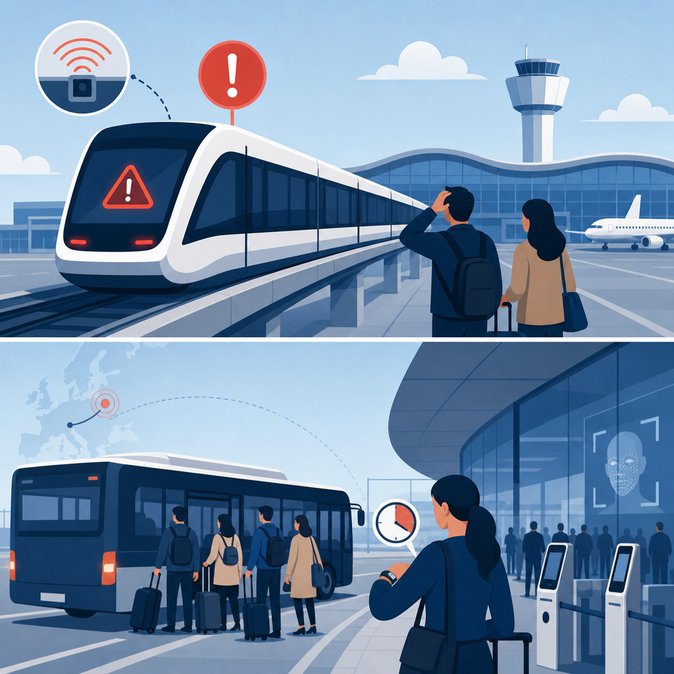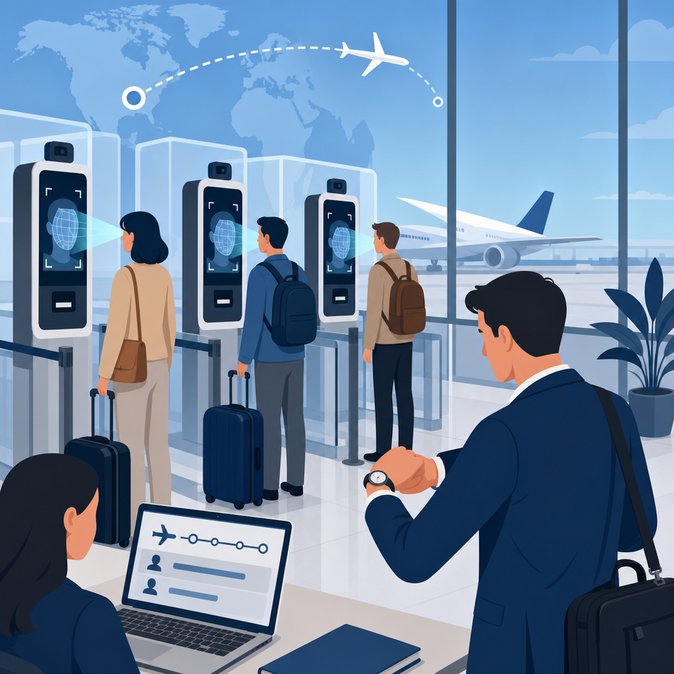
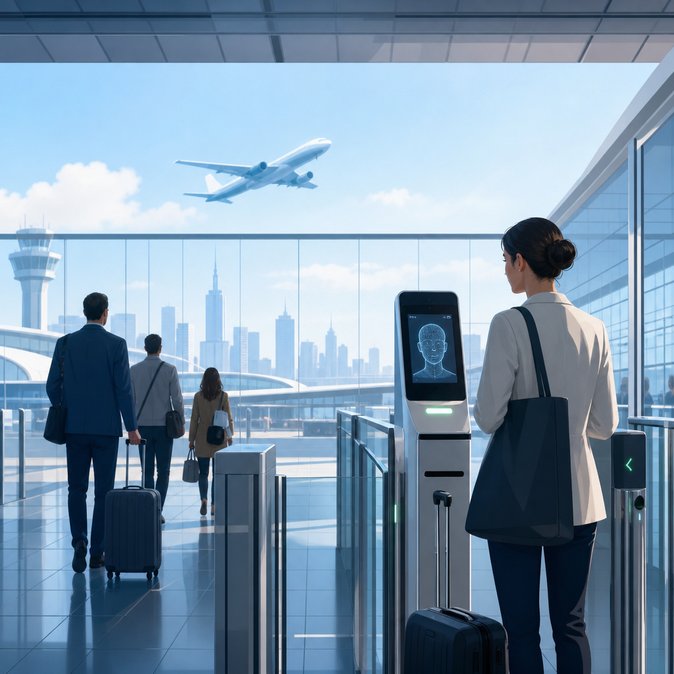
A pan-European article published on 28 May about the EU’s new Entry/Exit System (EES) has put German airports in the spotlight as they brace for the first trans-Atlantic peak since biometric border checks began pilot operations. Under EES, every non-EU traveller – including millions of Americans – must submit fingerprints and a facial scan on first entry, replacing the time-honoured passport stamp. While the system is EU-wide, Germany’s hubs at Frankfurt, Munich and Düsseldorf are among the busiest initial roll-out sites and therefore a bellwether for operational success. Federal Police officials at Frankfurt told industry partners last week that the first-time enrolment process is averaging 90 seconds per passenger, but spikes to three minutes when families present multiple passports. With summer daily arrivals surpassing 15 000 US nationals at Frankfurt alone, lane staffing and kiosk reliability will be critical. Munich Airport has installed ‘parallel-flow’ biometric lanes that process two passengers at once, yet border officials warn that staffing shortages could negate the technology gains. Airlines serving Germany have begun sending pre-trip advisories urging passengers to schedule longer layovers or avoid tight rail connections. Lufthansa now recommends a minimum 90-minute buffer for non-EU arrivals with onward flights, up from 60 minutes last year. Travel-management companies are updating corporate booking policies accordingly, while relocation providers fear knock-on effects for residence-permit processing times if entry lines grow. German travel associations support the digitisation drive, noting that the data collected will eventually shorten repeat visits and strengthen security. Nevertheless, they are lobbying the Federal Interior Ministry for a public-information campaign in English, highlighting that failure to complete the process correctly could trigger overstay alerts on future trips. The ministry says a multilingual portal will go live in mid-June.
![EU Entry/Exit System Set to Test German Airports as Summer Season Opens]()
Travellers seeking extra reassurance before departure can turn to VisaHQ, whose Germany-specific page (https://www.visahq.com/germany/) aggregates the latest EES guidance, visa instructions and document-check services. The platform equips both leisure visitors and corporate mobility managers with real-time updates and step-by-step support, helping them sidestep paperwork snags and reach the biometric checkpoint fully prepared.
Practical take-away for mobility managers: advise non-EU assignees and frequent travellers to keep fingerprints dry and visible, download airline apps for queue updates, and book rail tickets with flexible fares until bottle-necks stabilise. If Germany can keep average processing below two minutes, industry analysts believe the EES transition will be largely painless – but the next six weeks will be the stress test.
Travellers seeking extra reassurance before departure can turn to VisaHQ, whose Germany-specific page (https://www.visahq.com/germany/) aggregates the latest EES guidance, visa instructions and document-check services. The platform equips both leisure visitors and corporate mobility managers with real-time updates and step-by-step support, helping them sidestep paperwork snags and reach the biometric checkpoint fully prepared.
Practical take-away for mobility managers: advise non-EU assignees and frequent travellers to keep fingerprints dry and visible, download airline apps for queue updates, and book rail tickets with flexible fares until bottle-necks stabilise. If Germany can keep average processing below two minutes, industry analysts believe the EES transition will be largely painless – but the next six weeks will be the stress test.