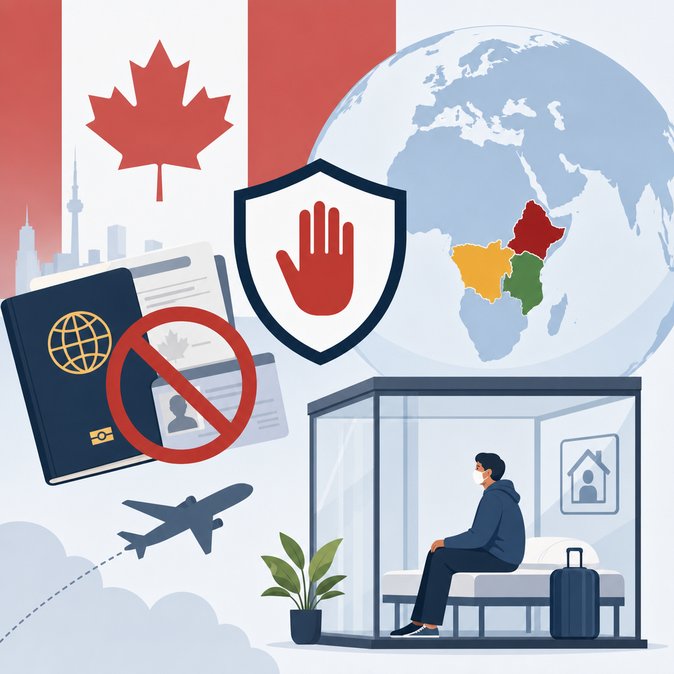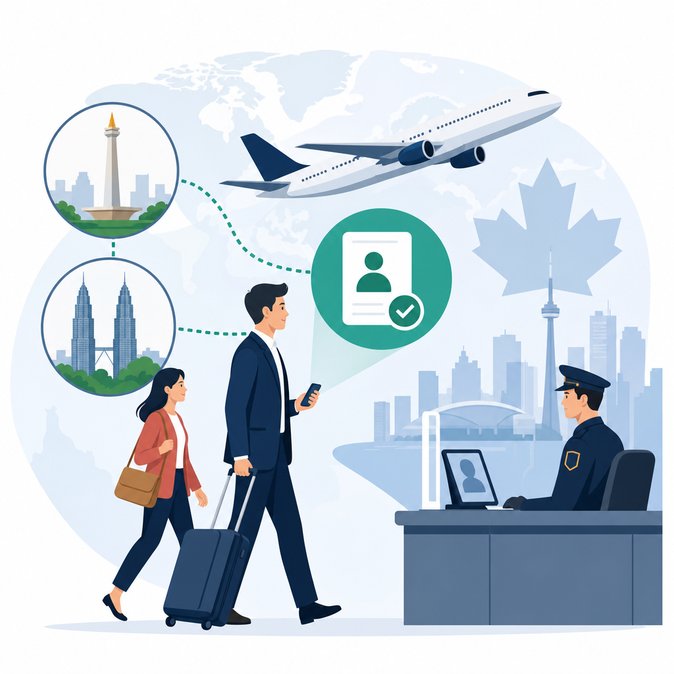
Canada has updated its program-delivery instructions for border officers, making it harder for so-called digital nomads to enter as visitors. The new guidelines, published on May 26 and highlighted by CIC News on May 27, require remote workers to present documentation showing that 100 % of their income is earned outside Canada and that they will not enter the domestic labour market. Under existing policy, digital nomads can spend up to six months in Canada on visitor status while working online for a foreign employer or foreign clients.
![Canada tightens entry rules for digital nomads, demanding proof of exclusively foreign income]()
To navigate these evolving requirements, VisaHQ can help travellers and employers identify the exact documents border officers now expect. Through its user-friendly portal (https://www.visahq.com/canada/), the service walks you through visa options, visitor records, and supporting paperwork, making cross-border compliance simpler for digital nomads and the companies that rely on them.
Until now, officers were told that “additional documentation is not required.” The revised instructions reverse that stance: travellers must be ready with contracts, pay stubs or client invoices that substantiate their overseas ties. Family members must apply for their own temporary status, and nomads who wish to stay longer must obtain a visitor record. For companies that allow employees to work remotely from Canada – whether on a work-cation or as part of a global mobility programme – the change introduces new compliance risk. HR teams should update remote-work policies, ensuring staff carry evidence of employment, income sources and return-home plans. Misclassification at the border could result in refused entry or future admissibility issues. The clarification also closes a perceived loophole: digital nomads may start working for a Canadian employer only if they subsequently qualify for another exemption under section 186 of the Immigration and Refugee Protection Regulations, or obtain a proper work permit. That caveat is aimed at preventing on-the-ground job-search activity under the guise of remote work. Practically, multinational firms should treat digital-nomad requests like short-term business-visitor travel: perform a legal check, issue employer letters detailing the foreign payroll arrangement and remind staff that engaging Canadian clients is off-limits without a permit. As global teams adopt “work from anywhere” models, Canada’s stricter stance underscores the importance of robust cross-border governance.

To navigate these evolving requirements, VisaHQ can help travellers and employers identify the exact documents border officers now expect. Through its user-friendly portal (https://www.visahq.com/canada/), the service walks you through visa options, visitor records, and supporting paperwork, making cross-border compliance simpler for digital nomads and the companies that rely on them.
Until now, officers were told that “additional documentation is not required.” The revised instructions reverse that stance: travellers must be ready with contracts, pay stubs or client invoices that substantiate their overseas ties. Family members must apply for their own temporary status, and nomads who wish to stay longer must obtain a visitor record. For companies that allow employees to work remotely from Canada – whether on a work-cation or as part of a global mobility programme – the change introduces new compliance risk. HR teams should update remote-work policies, ensuring staff carry evidence of employment, income sources and return-home plans. Misclassification at the border could result in refused entry or future admissibility issues. The clarification also closes a perceived loophole: digital nomads may start working for a Canadian employer only if they subsequently qualify for another exemption under section 186 of the Immigration and Refugee Protection Regulations, or obtain a proper work permit. That caveat is aimed at preventing on-the-ground job-search activity under the guise of remote work. Practically, multinational firms should treat digital-nomad requests like short-term business-visitor travel: perform a legal check, issue employer letters detailing the foreign payroll arrangement and remind staff that engaging Canadian clients is off-limits without a permit. As global teams adopt “work from anywhere” models, Canada’s stricter stance underscores the importance of robust cross-border governance.