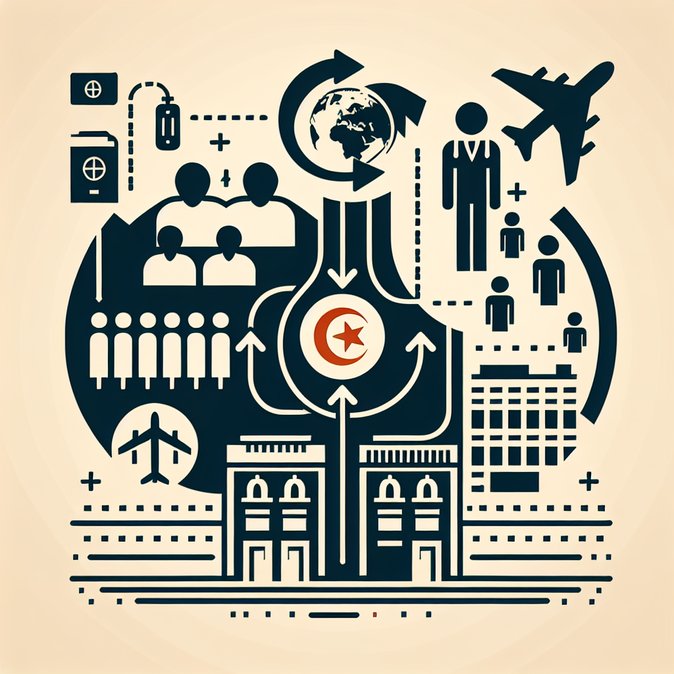
Switzerland formally opened its year-long chairmanship of the Euro-African Dialogue on Migration and Development—better known as the "Rabat Process"—by hosting a high-level conference in Lausanne on 12 May. Co-chaired with Tunisia, the meeting drew senior officials from more than 50 African and European states, the European Commission and key international organisations. The Swiss–Tunisian agenda puts the sustainable reintegration of migrants who return to their countries of origin at the centre of mobility policy for 2026. Bern argues that dignified returns, combined with development projects that create jobs at home, reduce the risk of irregular re-migration and benefit both origin and destination countries. Switzerland showcased pilot projects financed through its migration partnerships—such as vocational training vouchers for returnees to Côte d’Ivoire and seed-funding for small businesses in Tunisia—as potential models for wider EU-Africa cooperation. Behind the diplomatic language lies a hard-headed objective for Swiss employers: maintaining public support for regular labour migration channels by showing voters that irregular stayers do go home and receive credible help to restart their lives. The State Secretariat for Migration (SEM) told delegates that Switzerland issued 2,630 return decisions to Sub-Saharan nationals in 2025 but achieved only a 41 % effective return rate; Berne hopes that better reintegration packages and closer consular coordination will push that figure above 55 % by 2027. For multinational companies operating in Switzerland, the initiative matters because a more predictable and humane return system reduces political pressure to tighten work-permit quotas for third-country nationals. HR directors were advised to monitor the outcome of the Rabat Process ministerial meeting scheduled for November, where Switzerland intends to present a draft “Guidelines on Corporate Support for Circular Skills Mobility”—a voluntary code encouraging firms to offer short-term placements to trainees from partner countries.
![Switzerland and Tunisia launch 2026 Rabat Process chairmanship with focus on reintegration of returning migrants]()
For organisations that need to stay ahead of these procedural shifts, VisaHQ can provide a valuable one-stop solution. Through its Switzerland portal (https://www.visahq.com/switzerland/), the firm helps employers and mobile professionals track evolving requirements, prepare compliant documentation for work permits and re-entry visas, and integrate upcoming tools such as the digital Reintegration Passport into their mobility workflows—saving time and minimising administrative risk.
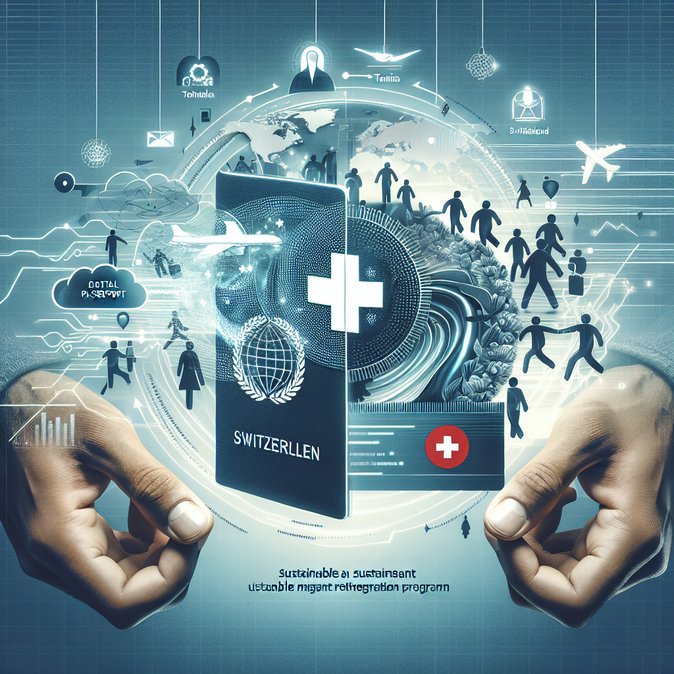
Practically, global mobility managers should note that SEM plans to roll out a digital “Reintegration Passport” in early 2027. The QR-code-based document will allow employers, Swiss embassies and partner NGOs to verify in real time whether a former employee has completed agreed training or business-start milestones abroad—opening the door to faster processing of repeat work-visa applications under the trusted-employer scheme.
For organisations that need to stay ahead of these procedural shifts, VisaHQ can provide a valuable one-stop solution. Through its Switzerland portal (https://www.visahq.com/switzerland/), the firm helps employers and mobile professionals track evolving requirements, prepare compliant documentation for work permits and re-entry visas, and integrate upcoming tools such as the digital Reintegration Passport into their mobility workflows—saving time and minimising administrative risk.
Practically, global mobility managers should note that SEM plans to roll out a digital “Reintegration Passport” in early 2027. The QR-code-based document will allow employers, Swiss embassies and partner NGOs to verify in real time whether a former employee has completed agreed training or business-start milestones abroad—opening the door to faster processing of repeat work-visa applications under the trusted-employer scheme.