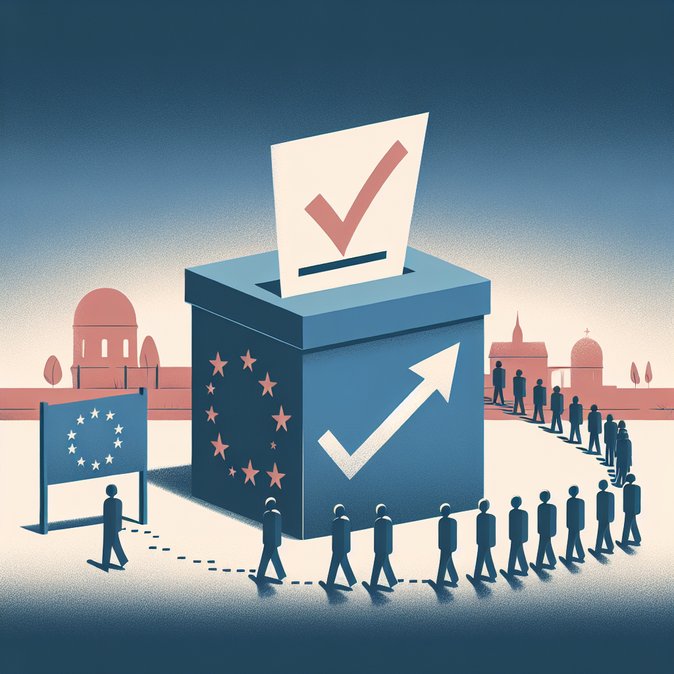
Addressing the general assembly of European Movement Switzerland on 10 May, Foreign Minister Ignazio Cassis described the recently negotiated package of 18 bilateral agreements with the European Union—dubbed “Bilaterals III”—as a “strategic necessity” for the country’s security and prosperity. His remarks, reported by SWI swissinfo, signal the Federal Council’s determination to steer the accords through parliament despite looming referendum threats. The bundle modernises the 1999 Free Movement of Persons agreement, introduces dynamic alignment with evolving EU rules, and adds new chapters on food safety, electricity and public health. For global mobility, the key elements are streamlined residence-permit procedures, more predictable social-security coordination and clearer dispute-resolution mechanisms that reduce the risk of sudden regulatory divergence. Cassis warned that stability “is not self-evident; it is the result of a joint effort.” He framed the accords as Switzerland’s ticket to continued participation in the single market’s labour pool—a pointed contrast to the population-cap initiative that will be put to voters in June.
![Foreign Minister Cassis Calls EU Bilateral Package a ‘Strategic Necessity’ for Swiss Mobility]()
Visa and immigration specialists can also help businesses navigate the provisional landscape. VisaHQ, for instance, offers up-to-date guidance on Swiss entry documents, residence options and regulatory changes; their Switzerland portal (https://www.visahq.com/switzerland/) consolidates requirements and application tools in one place, giving HR teams a reliable resource while parliament hashes out the final texts.
Multinational employers applauded the message. “The package gives us confidence to keep regional headquarters in Zurich rather than relocating to Munich,” said the mobility lead at a U.S. biotech group. Immigration lawyers, however, note that the agreements must still survive an optional treaty referendum and detailed implementing legislation, meaning practical changes are unlikely before 2027. In the interim, companies are advised to track parliamentary debates and factor possible delays into assignment planning, especially for cross-border commuters whose permits depend on the existing free-movement framework.

Visa and immigration specialists can also help businesses navigate the provisional landscape. VisaHQ, for instance, offers up-to-date guidance on Swiss entry documents, residence options and regulatory changes; their Switzerland portal (https://www.visahq.com/switzerland/) consolidates requirements and application tools in one place, giving HR teams a reliable resource while parliament hashes out the final texts.
Multinational employers applauded the message. “The package gives us confidence to keep regional headquarters in Zurich rather than relocating to Munich,” said the mobility lead at a U.S. biotech group. Immigration lawyers, however, note that the agreements must still survive an optional treaty referendum and detailed implementing legislation, meaning practical changes are unlikely before 2027. In the interim, companies are advised to track parliamentary debates and factor possible delays into assignment planning, especially for cross-border commuters whose permits depend on the existing free-movement framework.