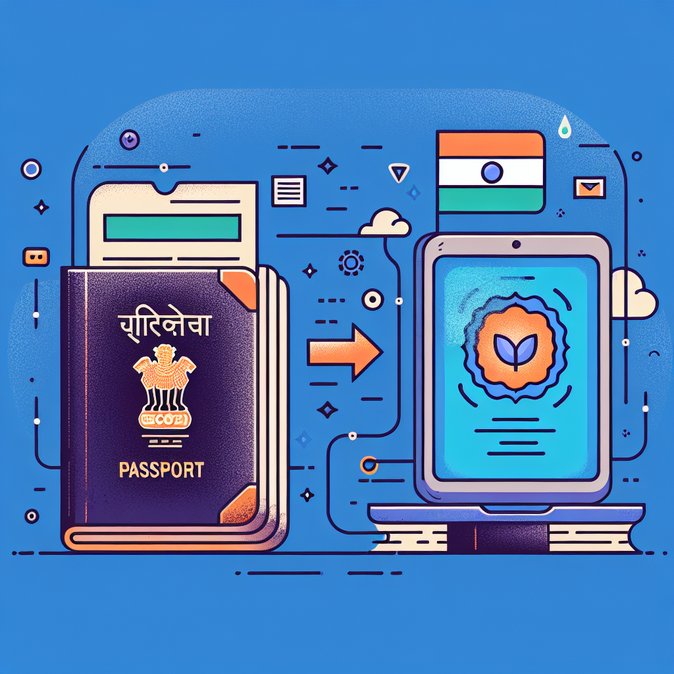
Australia’s Department of Foreign Affairs and Trade (DFAT) has refreshed its Smartraveller advisory for India, with the page showing "Still current at 8 May 2026". While the overall advice level—"exercise a high degree of caution"—is unchanged, the update reiterates that **all travellers, including Overseas Citizen of India card-holders, must complete an online e-Arrival Card up to 72 hours before departure**. The reminder comes one month after India replaced its paper disembarkation form with a digital declaration accessible at indianvisaonline.gov.in/earrival. Airlines have begun denying boarding to passengers who cannot produce the auto-generated QR code, catching out leisure travellers and business executives alike.
![Australia Re-issues India Travel Advice, Highlights Mandatory e-Arrival Card]()
VisaHQ can simplify every step of this process. Its dedicated India portal (https://www.visahq.com/india/) walks travellers through the e-Arrival Card, the latest e-Business visa requirements, and OCI rules, while sending automated deadline reminders to ensure no one misses the crucial 72-hour submission window—helping both individuals and corporate travel teams avoid costly airport surprises.
DFAT also warns that depending on routing, travellers may still be asked to complete a paper form on arrival—something mobility managers should flag in pre-trip briefs. Beyond documentation, the advisory singles out the Union Territory of Jammu-and-Kashmir, the India-Pakistan border and Manipur as "Do Not Travel" zones due to terrorism and civil unrest. Corporates with operations in Gurugram and Noida are advised to maintain robust evacuation plans; travel insurance policies must cover political violence. Why the update matters: many Australian businesses rotate project teams into India on 30- or 90-day e-Business visas. Missing the e-Arrival window jeopardises tight deployment schedules and can trigger costly ticket changes. Travel managers should integrate the e-Arrival task into online booking tools and auto-trigger reminders 96 hours pre-flight. DFAT’s bulletin is also a useful compliance cue for multinationals with dual-national Aussie-Indian employees: Indian immigration officers routinely check that dual nationals enter on the correct travel document (Indian passport or OCI). Failure to do so can land travellers on the "wrong passport" blacklist, delaying exit permits.

VisaHQ can simplify every step of this process. Its dedicated India portal (https://www.visahq.com/india/) walks travellers through the e-Arrival Card, the latest e-Business visa requirements, and OCI rules, while sending automated deadline reminders to ensure no one misses the crucial 72-hour submission window—helping both individuals and corporate travel teams avoid costly airport surprises.
DFAT also warns that depending on routing, travellers may still be asked to complete a paper form on arrival—something mobility managers should flag in pre-trip briefs. Beyond documentation, the advisory singles out the Union Territory of Jammu-and-Kashmir, the India-Pakistan border and Manipur as "Do Not Travel" zones due to terrorism and civil unrest. Corporates with operations in Gurugram and Noida are advised to maintain robust evacuation plans; travel insurance policies must cover political violence. Why the update matters: many Australian businesses rotate project teams into India on 30- or 90-day e-Business visas. Missing the e-Arrival window jeopardises tight deployment schedules and can trigger costly ticket changes. Travel managers should integrate the e-Arrival task into online booking tools and auto-trigger reminders 96 hours pre-flight. DFAT’s bulletin is also a useful compliance cue for multinationals with dual-national Aussie-Indian employees: Indian immigration officers routinely check that dual nationals enter on the correct travel document (Indian passport or OCI). Failure to do so can land travellers on the "wrong passport" blacklist, delaying exit permits.