India has publicly urged Bangladesh to accelerate nationality-verification procedures so that undocumented migrants currently held in detention centres across several Indian states can be repatriated without further delay. Responding to questions at the Ministry of External Affairs’ weekly press briefing on 7 May 2026, spokesperson Randhir Jaiswal said New Delhi expects Dhaka’s “full co-operation through established bilateral mechanisms.” The appeal follows a fresh round of political tension after media reports of “pushback” incidents—alleged attempts by Indian border forces to return suspected Bangladeshi nationals across the frontier at night. Assam Chief Minister Himanta Biswa Sarma inflamed the debate last month when he told a television interviewer that rocky India-Bangladesh relations were preferable if they reduced illegal immigration. Under the 2015 Standard Operating Procedures on Repatriation, each person claimed to be Bangladeshi must be interviewed by a Bangladesh high-commission official and matched against identity databases. Delhi says more than 3,000 files have been pending verification for over six months, clogging deportation flights and stretching state detention budgets. Bangladeshi officials counter that many detainees lack verifiable links and accuse India of "statistical exaggeration".
![New Delhi Presses Dhaka to Speed Up Nationality Checks for Deportations]()
For companies and individuals seeking to navigate India’s tightening entry rules in this uncertain climate, VisaHQ can be an invaluable partner. Its dedicated India portal (https://www.visahq.com/india/) provides real-time updates on visa categories, document requirements, and processing times, and the team can handle end-to-end submissions—helping employers sidestep common errors and keep critical staff deployments on schedule.
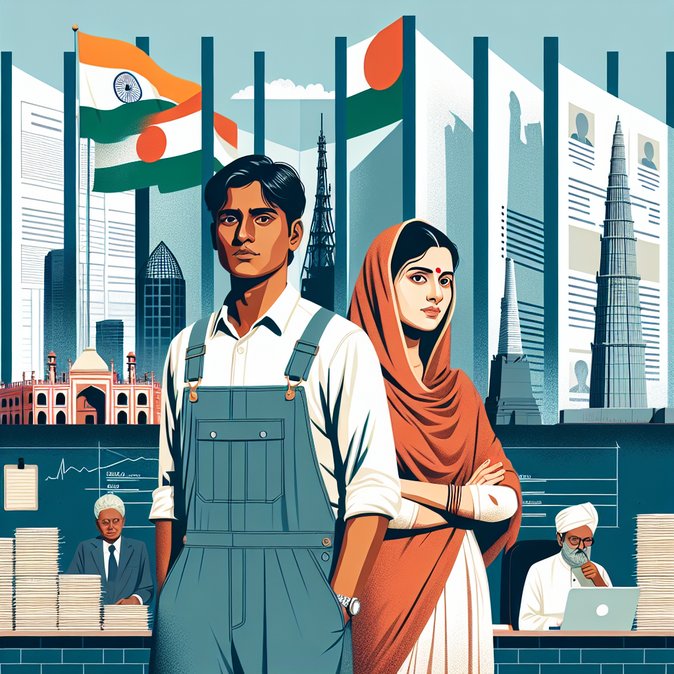
Why it matters for business mobility: prolonged detention and headline-grabbing deportations harden community attitudes, making it tougher for legitimate Bangladeshi project staff to obtain Indian employment visas—particularly in infrastructure and real-estate projects in the north-east. Several EPC contractors told the Observer they now face two-month delays securing clearance for Bangladeshi welders and fitters critical to hydro-power builds. Experts say faster, technology-enabled identity matching—potentially using Aadhaar-style biometrics—could depoliticise the process. Until then, companies moving skilled Bangladeshi personnel into India should factor in longer lead times, seek documentary “belt-and-braces” proof of nationality, and monitor state-level rhetoric that could influence local Foreigners Registration Offices.

For companies and individuals seeking to navigate India’s tightening entry rules in this uncertain climate, VisaHQ can be an invaluable partner. Its dedicated India portal (https://www.visahq.com/india/) provides real-time updates on visa categories, document requirements, and processing times, and the team can handle end-to-end submissions—helping employers sidestep common errors and keep critical staff deployments on schedule.
Why it matters for business mobility: prolonged detention and headline-grabbing deportations harden community attitudes, making it tougher for legitimate Bangladeshi project staff to obtain Indian employment visas—particularly in infrastructure and real-estate projects in the north-east. Several EPC contractors told the Observer they now face two-month delays securing clearance for Bangladeshi welders and fitters critical to hydro-power builds. Experts say faster, technology-enabled identity matching—potentially using Aadhaar-style biometrics—could depoliticise the process. Until then, companies moving skilled Bangladeshi personnel into India should factor in longer lead times, seek documentary “belt-and-braces” proof of nationality, and monitor state-level rhetoric that could influence local Foreigners Registration Offices.