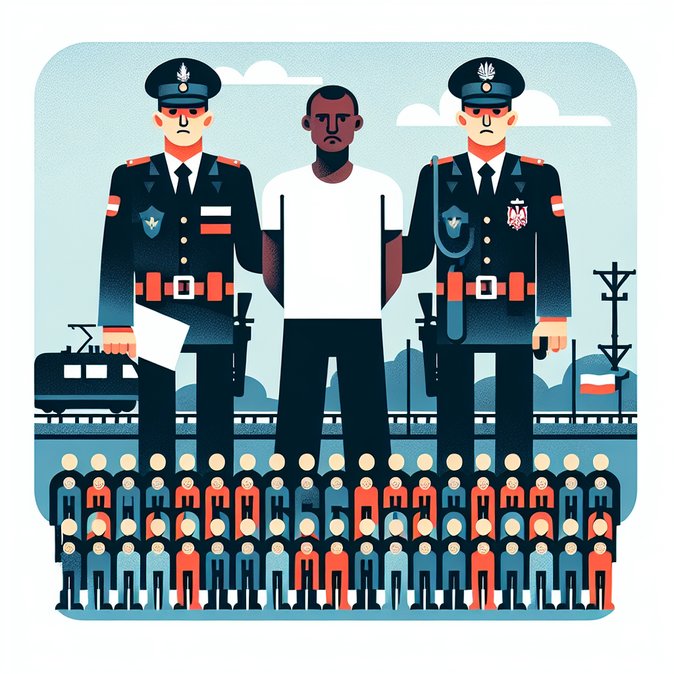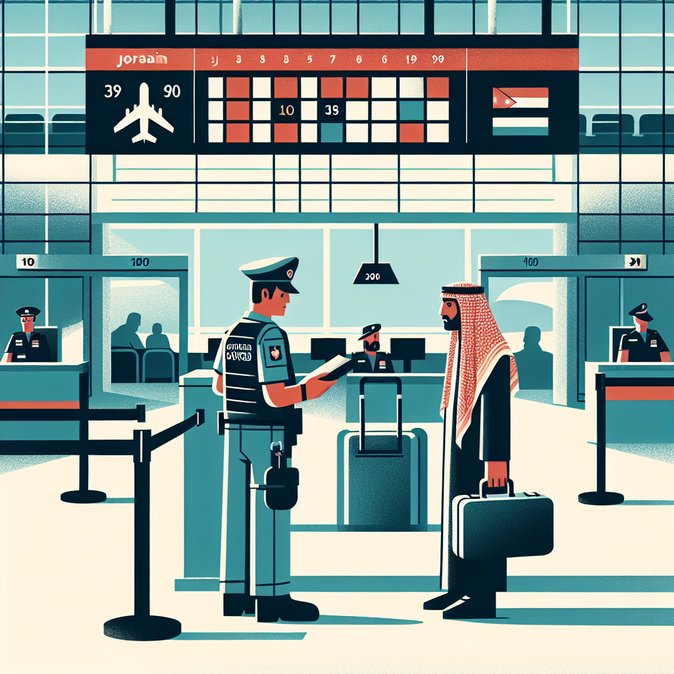
A routine passport inspection at Kraków’s John Paul II International Airport on 7 May ended with the detention of a 46-year-old Jordanian passenger arriving from Larnaca, Cyprus. Border Guard officials discovered that the traveller had exceeded his previous 90-day visa-free allowance in the Schengen Area by 45 days and lacked a valid national visa. Under Article 14 of the Schengen Borders Code, officers issued an immediate refusal of entry and placed the individual in a secure holding room pending the next available return flight. He may also face a multi-year re-entry ban, a sanction that is automatically notified to other Schengen states via the SIS II database. The incident is a reminder that Schengen overstays—even if committed in another member state—are visible to Polish systems once biometric data are captured.
![Jordanian Traveller Refused Entry at Kraków-Balice After 45-Day Schengen Overstay]()
For those uncertain about how many Schengen days they have left or whether they need a different type of permit, VisaHQ can streamline the process. Its Poland portal (https://www.visahq.com/poland/) offers a user-friendly stay calculator, step-by-step visa application support, and proactive alerts to prevent inadvertent overstays—helping travellers avoid situations like the one that unfolded in Kraków.
Employers sending business travellers on multi-country tours should track days spent in the zone carefully, especially since Poland activated the EU Entry/Exit System (EES) last month, making detections automatic. The Border Guard said four similar cases were recorded at Kraków-Balice in April, compared with just one in the same month last year, suggesting that the new biometric database is already increasing enforcement efficiency.

For those uncertain about how many Schengen days they have left or whether they need a different type of permit, VisaHQ can streamline the process. Its Poland portal (https://www.visahq.com/poland/) offers a user-friendly stay calculator, step-by-step visa application support, and proactive alerts to prevent inadvertent overstays—helping travellers avoid situations like the one that unfolded in Kraków.
Employers sending business travellers on multi-country tours should track days spent in the zone carefully, especially since Poland activated the EU Entry/Exit System (EES) last month, making detections automatic. The Border Guard said four similar cases were recorded at Kraków-Balice in April, compared with just one in the same month last year, suggesting that the new biometric database is already increasing enforcement efficiency.