USCIS Puts Thousands of Immigration Cases on Hold as ‘Strengthened Screening & Vetting’ Kicks In
Germany shifts Iran visa processing to Yerevan as Tehran embassy remains closed
ISIS-linked Women and Children Repatriated to Australia Face Terror and Slavery Charges
Latest News

Brazil Grants Temporary Visa-Free Entry for Chinese Citizens Starting 11 May 2026
Effective 11 May 2026, Chinese nationals can visit Brazil without a visa for stays of up to 30 days through the end of the year. The waiver is expected to boost tourism and streamline business travel by removing consular processing times, but it is temporary and non-extendable, so companies should track its October review. The move underscores Brasília’s strategy to deepen commercial links with its largest trading partner while accelerating the recovery of inbound travel.

DHS Moves to Replace “Duration of Status” With 4-Year Admission Cap for F-1, J-1 and I Visa Holders
DHS has advanced a final rule that would scrap “duration of status” admissions and replace them with fixed periods of stay capped at four years for F-1, J-1 and I visa holders. Universities and employers warn the change will require thousands of extension filings, shorten grace periods and increase the risk of unlawful presence, while DHS says it will improve oversight and security.

Queues Worsen at French Airports as EU Entry/Exit System Beds In
Border-control queues of up to two hours have appeared at major French airports as staff adapt to the EU’s new biometric Entry/Exit System. The delays mainly hit non-EU business travellers and could jeopardise tight connections. Authorities promise relief once officers and passengers grow familiar with the technology, but employers should build extra buffer time into travel plans.

Poland Makes Online Portal Mandatory for All Residence-Permit Filings
As of 27 April 2026, all Polish residence-permit applications must be filed through the MOS 2.0 online portal; in-person submissions are virtually abolished. Employer appendices must be e-signed before the case can be lodged, forcing companies to prepare complete files up front. The move digitises Poland’s immigration workflow but increases pre-filing burdens on HR teams and foreign staff.

India makes e-Arrival Card compulsory 72 hours before entry
From 1 April 2026 India abolished paper disembarkation forms and now requires every foreign traveller to submit an e-Arrival Card online within 72 hours of arrival. Without the QR-coded receipt passengers can face long delays at immigration, so mobility managers are baking the step into pre-trip compliance checklists. The change streamlines data collection ahead of a wider roll-out of biometric fast-track lanes later this year.

Canberra Outlaws ‘Visa Hopping’ to Curb Permanent Temporariness
From 1 July 2026, temporary visa holders in Australia will be barred from applying for student or certain work visas on-shore, forcing them to lodge abroad. The government says the move will restore migration integrity and curb the growth of "permanently temporary" residents, but companies and education providers must now re-engineer timelines and budgets to accommodate offshore processing.

Airlines Slash 600,000 Summer Seats to Cyprus as Conflict and Costs Bite
A 7 May industry report confirms that airlines have removed about 600,000 seats from Cyprus’ 2026 summer schedules, citing higher fuel prices, Middle-East conflict and softer demand. The cut threatens tourism revenues, jobs and wider business travel connectivity, prompting calls for an urgent pivot to a year-round visitor strategy. Corporate travellers should brace for higher fares and reduced flexibility.

Czech Republic lifts EU Blue Card salary floor to CZK 73,823
Effective 1 May 2026, Czechia raised the minimum salary for EU Blue Card applicants to CZK 73,823, a 6.6 percent jump. Companies must amend new and pending applications immediately or face delays, while current Blue-Card holders need to ensure their pay meets the new bar before renewal. The change tightens labour-cost calculations for multinationals but could enhance the permit’s prestige.

Fingerprint Re-Vetting Freeze Hits 11.6 Million Pending USCIS Cases
USCIS has ordered officers to rerun fingerprints for all 11.6 million pending cases through the FBI’s Next Generation Identification system, freezing approvals across the board. The unprecedented re-vetting drive, launched April 27, threatens to stall green cards, naturalization and work permits and is already facing federal court challenges.

Sudanese refugees mount first legal challenge to Labour’s temporary-protection policy
Two Sudanese asylum seekers have filed the first court case against Labour’s plan to slash refugees’ initial leave to remain to 30 months. The claim alleges discrimination and breaches of international law, and, if successful, could delay or derail a cornerstone of the government’s asylum reforms — creating fresh compliance uncertainty for UK employers of refugees.
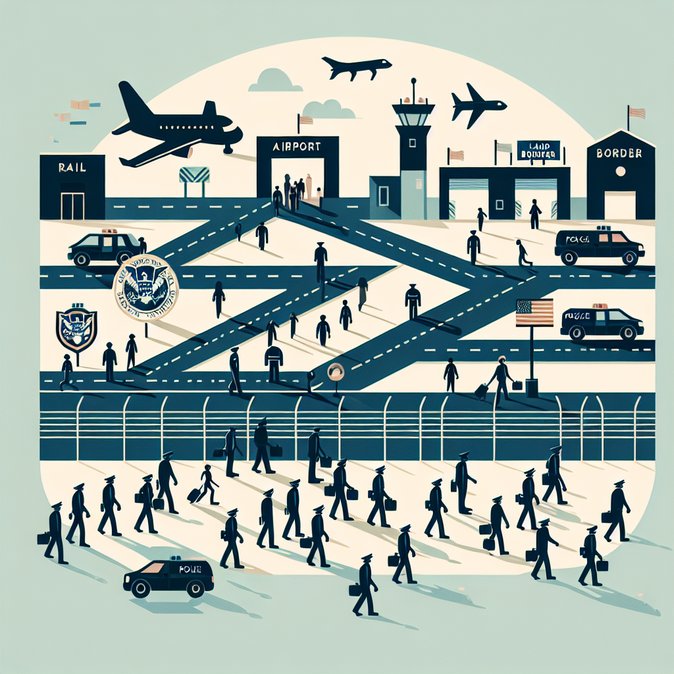
14 000 federal police redeployed as Germany prolongs internal Schengen border checks
A leaked Interior Ministry reply shows Germany has redeployed up to 14 000 Federal Police to maintain temporary controls on its land borders—a resource shift critics say starves airports and rail hubs of security staff. Court rulings and economic fallout are fuelling calls in the Bundestag to scrap the year-old measures, but Interior Minister Dobrindt remains unmoved.
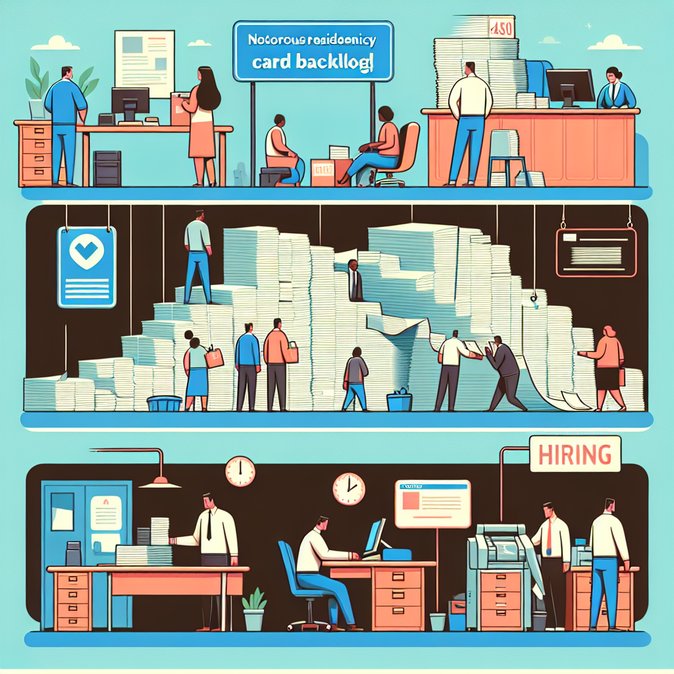
Conseil d’État Orders France to Fix Residency-Card Backlog Within Six Months
The Conseil d’État has ordered France to clear its notorious residency-card backlog within six months. The Interior Ministry’s new plan promises 500 extra staff, automated interim permits and simplified rules for ‘Talent’ cards—welcome news for employers who have struggled with four-month waiting times that put hires on hold.
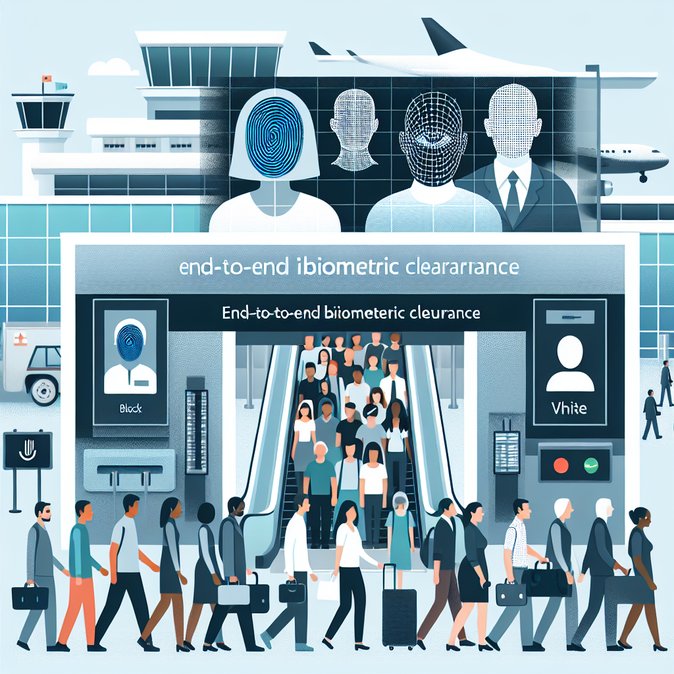
Abu Dhabi’s Zayed International Airport activates end-to-end biometrics, cutting immigration wait times by 70 percent
Abu Dhabi switched on full facial- and iris-recognition lanes across all terminals on 7 May, reducing immigration processing time from 25 to 7 seconds. The document-free system—integrated with federal ICP databases—makes Zayed International Airport the first major hub to offer end-to-end biometric clearance, giving airlines and corporate travellers a significant time advantage.

Belgium makes online portal mandatory for all work-authorisation applications
Belgium’s three regions have shut down paper and email channels for obtaining work permits. From 4 May 2026, all applications must go through the federal “Working in Belgium” portal. The move speeds up processing but obliges employers to digitise their documentation and adjust workflows.

Federal Council Aligns Swiss Law with Revised Schengen Borders Code
The Federal Council has adopted four ordinance amendments that fully incorporate the EU’s revised Schengen Borders Code into Swiss law. The measures, effective 12 June 2026, formalise procedures for temporary internal border checks, carrier obligations during health crises and fast-track transfers of irregular migrants. Corporate mobility managers should review new documentation requirements and compliance timelines.

Civil-society groups hail Spain’s extraordinary regularisation pathway for 500,000 migrants
NGOs JRS Europe and SJM applauded Spain’s launch of a fast-track regularisation that could legalise 500,000 undocumented residents. The scheme—awaiting final Royal Decree—creates a one-year residence permit convertible to standard work authorisations, giving employers a new avenue to fill vacancies and stabilise existing informal staff.

Finland to Introduce Legally-Binding Income Thresholds for Family-Reunification Permits
Finland has begun drafting a decree that will fix euro-denominated income thresholds for family-reunification residence permits, replacing Migri’s discretionary guidelines with legally binding figures. The Interior Ministry says the amounts will be indexed annually and will not be lowered, meaning some lower-paid foreign workers may need employer support to meet the bar. HR teams gain predictability but must revisit salary and allowance structures before the rules take effect in 2027.