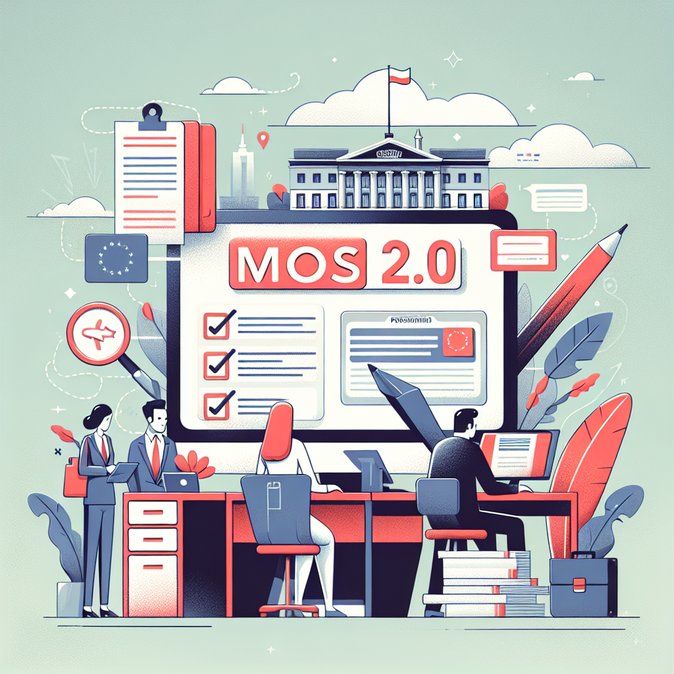
Beginning 27 April 2026—but announced only yesterday, 7 May—Poland’s Office for Foreigners (UDSC) switched the entire temporary- and permanent-residence application process to its new MOS 2.0 e-portal. Paper forms or in-person filings are now accepted only in a handful of humanitarian or disability-related exceptions.
![Poland Makes Online Portal Mandatory for All Residence-Permit Filings]()
Faced with these sweeping changes, many travellers and corporate mobility teams are turning to specialised facilitation services. VisaHQ, for example, offers step-by-step guidance with Polish visa and residence procedures—helping users create MOS accounts, secure the required electronic signatures and confirm that all attachments comply with UDSC specifications. Their dedicated Poland page (https://www.visahq.com/poland/) aggregates the latest rules and provides live support, easing what could otherwise be a difficult transition.
The change represents the most far-reaching digitalisation of Polish immigration since the PESEL-UKR rollout in 2022. Applicants must create individual MOS accounts, complete smart web-forms that validate data in real time and, crucially, sign the application with an advanced electronic signature (Profil Zaufany or a qualified signature). Employer appendices—long a bottleneck—must now be attached and e-signed at the moment of filing; the system blocks submission if any document or signature is missing. For employers this ends the informal practice of ‘placeholder’ filings used to lock in processing dates and add documents later. HR teams must co-ordinate much earlier with foreign staff and obtain a trusted-profile e-signature for the company representative. Fragomen notes that companies lacking the requisite e-signature capability could face missed work-start dates and business-traveller delays. Law firms welcome the predictability the portal brings—time-stamped receipts, dashboard tracking and automated Notices of Deficiencies—but warn that applicants unfamiliar with Polish e-ID tools may struggle. Because MOS 2.0 is linked to the Schengen Entry/Exit System, data inconsistencies (for example, passport numbers that do not match EES entries) now trigger an automatic alert rather than a manual request. Practically, multinational employers should update onboarding check-lists, budget extra lead-time for first-time electronic signatures and confirm that corporate firewalls allow access to the gov.pl domain. The reform underlines Warsaw’s strategy of shifting immigration compliance risk from authorities to employers and applicants themselves.

Faced with these sweeping changes, many travellers and corporate mobility teams are turning to specialised facilitation services. VisaHQ, for example, offers step-by-step guidance with Polish visa and residence procedures—helping users create MOS accounts, secure the required electronic signatures and confirm that all attachments comply with UDSC specifications. Their dedicated Poland page (https://www.visahq.com/poland/) aggregates the latest rules and provides live support, easing what could otherwise be a difficult transition.
The change represents the most far-reaching digitalisation of Polish immigration since the PESEL-UKR rollout in 2022. Applicants must create individual MOS accounts, complete smart web-forms that validate data in real time and, crucially, sign the application with an advanced electronic signature (Profil Zaufany or a qualified signature). Employer appendices—long a bottleneck—must now be attached and e-signed at the moment of filing; the system blocks submission if any document or signature is missing. For employers this ends the informal practice of ‘placeholder’ filings used to lock in processing dates and add documents later. HR teams must co-ordinate much earlier with foreign staff and obtain a trusted-profile e-signature for the company representative. Fragomen notes that companies lacking the requisite e-signature capability could face missed work-start dates and business-traveller delays. Law firms welcome the predictability the portal brings—time-stamped receipts, dashboard tracking and automated Notices of Deficiencies—but warn that applicants unfamiliar with Polish e-ID tools may struggle. Because MOS 2.0 is linked to the Schengen Entry/Exit System, data inconsistencies (for example, passport numbers that do not match EES entries) now trigger an automatic alert rather than a manual request. Practically, multinational employers should update onboarding check-lists, budget extra lead-time for first-time electronic signatures and confirm that corporate firewalls allow access to the gov.pl domain. The reform underlines Warsaw’s strategy of shifting immigration compliance risk from authorities to employers and applicants themselves.