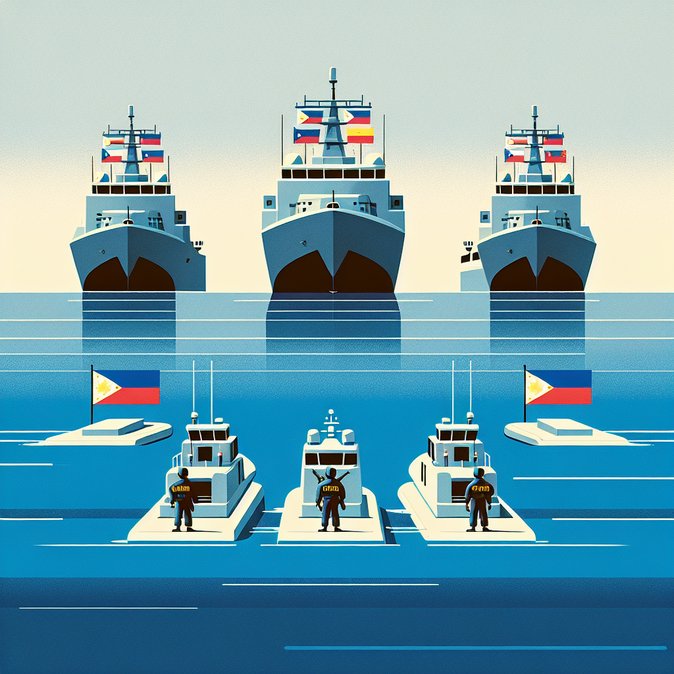
In a statement on 3 May and reported by Philstar on 4 May, the Philippine Coast Guard (PCG) said it would send patrol vessels and aircraft to “challenge and drive away” four Chinese research ships conducting marine scientific activities inside the Philippines’ Exclusive Economic Zone (EEZ). The ships – Xiangyanghong 33, Shi Yan 1, Jia Geng and Zhuhaiyun – were detected by Canada’s Dark Vessel Detection System between Batanes and Palawan. Under Philippine law, foreign marine research requires prior government consent. PCG spokesperson Rear Admiral Jay Tarriela said the unapproved operations “infringe on Philippine sovereignty.” The incident follows a string of confrontations around Second Thomas Shoal and adds maritime security to the list of variables global mobility managers must monitor when deploying staff to offshore energy or infrastructure projects in the archipelago. For China, the episode could complicate recent efforts to rebuild travel ties, including the newly launched Chongqing–Manila flight and the Philippines’ short-stay visa waiver for Chinese nationals.
![Philippine Coast Guard deploys ships, aircraft to challenge Chinese research vessels]()
Organizations concerned about potential changes to Philippine or Chinese entry requirements can streamline their planning with support from VisaHQ. The company’s online platform offers up-to-date guidance and expedited processing for travel documents worldwide, including Chinese visas (https://www.visahq.com/china/), helping mobility teams adjust quickly to any policy shifts triggered by regional tensions.
Diplomatic analysts warn that a deterioration in relations could prompt Manila to revisit the visa-free concession, creating uncertainty for tour operators and firms moving personnel between the two countries. Companies with ship-riding technicians, marine surveyors or construction crews transiting Philippine waters are advised to review contingency routing and ensure that seafarers hold valid Special Work Permits in case of prolonged inspections. Insurance brokers also note that risk premia for vessels operating in the West Philippine Sea have nudged higher since late April. While the PCG’s planned show of force is unlikely to trigger an immediate cancellation of people-to-people initiatives, observers say the stand-off highlights how geopolitical flashpoints can ripple into mobility programmes and visa policy almost overnight.

Organizations concerned about potential changes to Philippine or Chinese entry requirements can streamline their planning with support from VisaHQ. The company’s online platform offers up-to-date guidance and expedited processing for travel documents worldwide, including Chinese visas (https://www.visahq.com/china/), helping mobility teams adjust quickly to any policy shifts triggered by regional tensions.
Diplomatic analysts warn that a deterioration in relations could prompt Manila to revisit the visa-free concession, creating uncertainty for tour operators and firms moving personnel between the two countries. Companies with ship-riding technicians, marine surveyors or construction crews transiting Philippine waters are advised to review contingency routing and ensure that seafarers hold valid Special Work Permits in case of prolonged inspections. Insurance brokers also note that risk premia for vessels operating in the West Philippine Sea have nudged higher since late April. While the PCG’s planned show of force is unlikely to trigger an immediate cancellation of people-to-people initiatives, observers say the stand-off highlights how geopolitical flashpoints can ripple into mobility programmes and visa policy almost overnight.