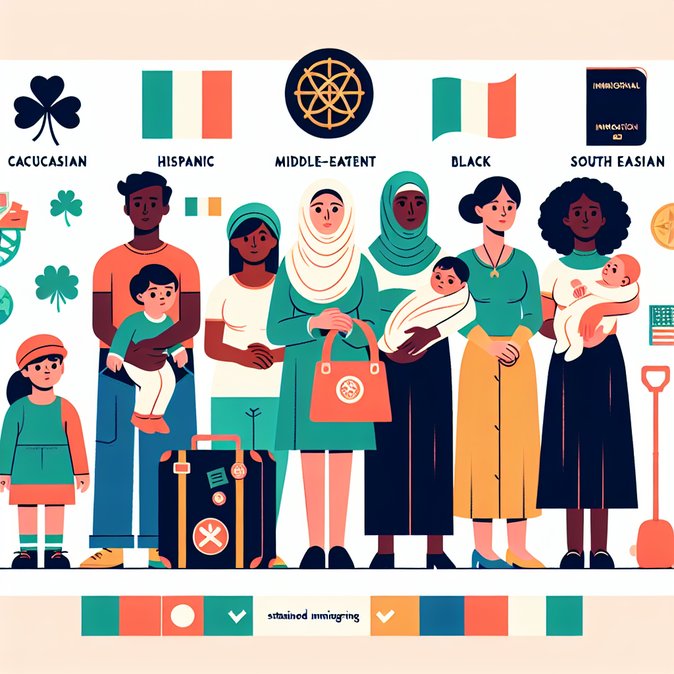
A new analysis published by The Irish Times highlights the profound demographic shift under way in Ireland: 25 per cent of all births are now to mothers born outside the State. The Central Statistics Office attributes the trend to sustained inward migration since the mid-2010s and longer life expectancy, which together pushed Ireland’s population above 6 million for the first time in modern records. The figures underscore the importance of streamlined entry pathways for accompanying spouses and dependants—a growing concern for multinational employers whose talent strategies hinge on family-friendly relocation policies. HR practitioners note that delays in dependent-visa processing have doubled since 2022, prompting calls for automatic family reunification for holders of Critical-Skills Employment Permits.
![Immigration Now Accounts for One-Quarter of Irish Births, CSO Data Show]()
At the practical level, many employers and relocating families are turning to specialist facilitation platforms such as VisaHQ to navigate Ireland’s evolving entry rules. VisaHQ’s Ireland portal (https://www.visahq.com/ireland/) consolidates the latest visa categories, processing times and document checklists, and offers concierge support that can pre-screen applications for spouses and children, helping reduce the administrative lag that now threatens project timelines.
Beyond workforce planning, the demographic shift is changing service demand patterns. Schools in fast-growing commuter belts such as Meath and Kildare report that more than one-third of new enrolments come from migrant households, accelerating the need for multilingual teachers and culturally inclusive curricula. Health-service planners warn that perinatal services must scale up interpretation capacity and culturally specific maternal-care training. Policy-makers see opportunity as well as challenge. The Department of Enterprise argues that a diversified birth cohort will sustain Ireland’s labour force as the native-born median age rises. It is considering incentives—such as reduced Stamp 4 residency thresholds—for graduates in shortage professions who remain in Ireland after study. For mobility teams, the takeaway is clear: support services for accompanying partners—employment counselling, language classes, childcare search—are no longer add-ons but core components of a successful assignment package in Ireland’s rapidly diversifying society.
At the practical level, many employers and relocating families are turning to specialist facilitation platforms such as VisaHQ to navigate Ireland’s evolving entry rules. VisaHQ’s Ireland portal (https://www.visahq.com/ireland/) consolidates the latest visa categories, processing times and document checklists, and offers concierge support that can pre-screen applications for spouses and children, helping reduce the administrative lag that now threatens project timelines.
Beyond workforce planning, the demographic shift is changing service demand patterns. Schools in fast-growing commuter belts such as Meath and Kildare report that more than one-third of new enrolments come from migrant households, accelerating the need for multilingual teachers and culturally inclusive curricula. Health-service planners warn that perinatal services must scale up interpretation capacity and culturally specific maternal-care training. Policy-makers see opportunity as well as challenge. The Department of Enterprise argues that a diversified birth cohort will sustain Ireland’s labour force as the native-born median age rises. It is considering incentives—such as reduced Stamp 4 residency thresholds—for graduates in shortage professions who remain in Ireland after study. For mobility teams, the takeaway is clear: support services for accompanying partners—employment counselling, language classes, childcare search—are no longer add-ons but core components of a successful assignment package in Ireland’s rapidly diversifying society.