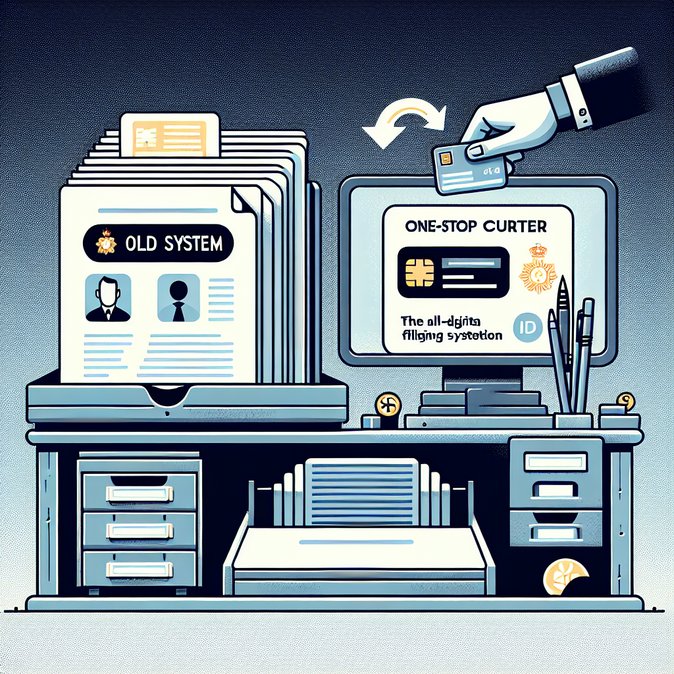
Belgium’s Brussels-Capital Region has confirmed that, from 4 May 2026, every application for a Belgian work permit or single permit must be lodged through a brand-new federal IT platform called the “One-Stop Counter.” The change, announced by Brussels Economy & Employment and mirrored by the Flemish and Walloon regions, will bring the last pockets of paper- or e-mail-based filing to an end. Until now employers could still send PDF forms to the regional immigration units, leaving officials to transcribe data manually. According to the administration, 40 % of rejections in 2025 were linked to incomplete or illegible documents. The portal forces applicants to upload structured data and mandatory documents before the file can be submitted, cutting out common errors such as missing passports or unsigned contracts. Regional authorities will continue to take the final decision, but the back-end of the platform routes every case through the same digital workflow, giving HR teams a single dashboard to monitor status in real time. API functionality is expected later in the year, allowing large multinationals to push data directly from HRIS tools. A soft-launch testing window opens on 27 April and companies have been urged to create their digital IDs (eIDAS or Itsme) in advance.
![Brussels Launches “One-Stop Counter” Portal for All Work-Permit Filings]()
Employers who are uncertain about the new digital procedures can turn to VisaHQ’s Belgium team for practical support. From setting up the necessary digital IDs to checking that supporting documents meet the One-Stop Counter’s upload criteria, VisaHQ streamlines each step and can manage end-to-end filing on your behalf. Learn more at https://www.visahq.com/belgium/
Practical implications are immediate. Multinationals with high volumes of short-term assignees or commuters—common in the Benelux corridor—will need to retrain staff and update checklists this week. Any PDF or e-mail applications sent after midnight on 3 May will be automatically rejected, potentially jeopardising assignment start dates. Employers should also review power-of-attorney arrangements: only signatories with a Belgian digital ID can submit on behalf of the company. For mobility managers the upside is faster processing. Officials expect the average decision time for a standard Type B work permit to fall from 4–5 weeks to “around 15 working days” once the backlog of legacy files has cleared. The reform is part of a wider digital-by-default strategy that will eventually see residence‐permit extensions and family-reunification visas move to the same portal.

Employers who are uncertain about the new digital procedures can turn to VisaHQ’s Belgium team for practical support. From setting up the necessary digital IDs to checking that supporting documents meet the One-Stop Counter’s upload criteria, VisaHQ streamlines each step and can manage end-to-end filing on your behalf. Learn more at https://www.visahq.com/belgium/
Practical implications are immediate. Multinationals with high volumes of short-term assignees or commuters—common in the Benelux corridor—will need to retrain staff and update checklists this week. Any PDF or e-mail applications sent after midnight on 3 May will be automatically rejected, potentially jeopardising assignment start dates. Employers should also review power-of-attorney arrangements: only signatories with a Belgian digital ID can submit on behalf of the company. For mobility managers the upside is faster processing. Officials expect the average decision time for a standard Type B work permit to fall from 4–5 weeks to “around 15 working days” once the backlog of legacy files has cleared. The reform is part of a wider digital-by-default strategy that will eventually see residence‐permit extensions and family-reunification visas move to the same portal.