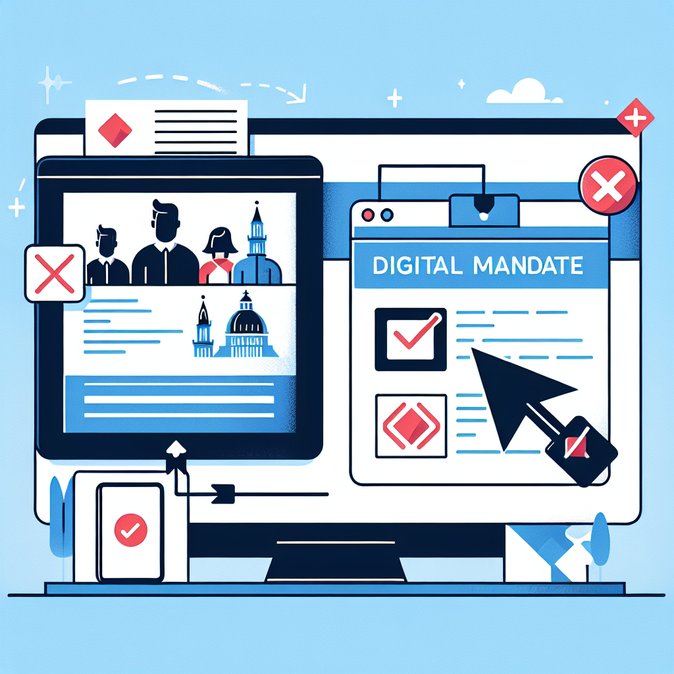
Belgium’s immigration authorities have confirmed that, in barely two weeks, employers will no longer be allowed to email PDF forms when requesting a short-work or commuter work permit. An official notice published in the Belgian Official Gazette late on 18 April and reported by The Economic Times on 19 April sets 1 May 2026 as the cut-off date: from that day, applications must be lodged exclusively through the federal ‘Working in Belgium’ online portal. Fax, post and even the long-standing email channel will be switched off.
![Belgium switches short-work & commuter permit applications to fully digital process from 1 May 2026]()
For employers or assignees seeking hands-on support with Belgium’s new digital filing requirements, VisaHQ’s local team (https://www.visahq.com/belgium/) can guide you through setting up mandates, gathering compliant documentation and submitting applications via the portal—helping you avoid the automatic rejections that come with missing information or invalid powers-of-attorney.
The reform is the latest step in a broader digital-transformation programme that already moved the much more complex Single Permit procedure online in Flanders (2023), Brussels-Capital (2024) and Wallonia (early 2025). Officials say forcing the remaining paper-heavy categories to use the portal will eliminate duplicate data entry, flag missing documents automatically and create a verifiable time-stamp that protects both the employer and the administration. According to the announcement, processing times are expected to drop from an average of ten working days to “as little as three”, provided files are complete. Practically, HR teams must ensure that a legal representative with a Belgian eID or its digital equivalent has been granted a “mandate” inside the portal. Many multinational companies still rely on external immigration providers; they too will need to upload a fresh power-of-attorney before 1 May. The authorities warn that missing mandates will lead to automatic rejection and that no grace period is foreseen. For cross-border commuters—the so-called ‘frontaliers’ who live in France, the Netherlands, Germany or Luxembourg but work part-time in Belgium—the change is equally significant. These workers often hold permits valid for only one year and timed to seasonal production peaks. The abolition of email filing removes the last quick, informal route for urgent assignments. Employers planning summer projects are therefore advised to front-load applications and secure biometric appointment slots for residence cards well in advance, as local communes remain backlogged. Immigration advisers welcome the clarity but point out potential bottlenecks: portal outages, limited customer-service capacity and regional salary-threshold checks that still require manual validation. In the longer term, however, the move aligns Belgium with neighbouring Netherlands and Germany, both of which already operate fully digital filing for most work categories, and should make compliance audits easier for global mobility managers.

For employers or assignees seeking hands-on support with Belgium’s new digital filing requirements, VisaHQ’s local team (https://www.visahq.com/belgium/) can guide you through setting up mandates, gathering compliant documentation and submitting applications via the portal—helping you avoid the automatic rejections that come with missing information or invalid powers-of-attorney.
The reform is the latest step in a broader digital-transformation programme that already moved the much more complex Single Permit procedure online in Flanders (2023), Brussels-Capital (2024) and Wallonia (early 2025). Officials say forcing the remaining paper-heavy categories to use the portal will eliminate duplicate data entry, flag missing documents automatically and create a verifiable time-stamp that protects both the employer and the administration. According to the announcement, processing times are expected to drop from an average of ten working days to “as little as three”, provided files are complete. Practically, HR teams must ensure that a legal representative with a Belgian eID or its digital equivalent has been granted a “mandate” inside the portal. Many multinational companies still rely on external immigration providers; they too will need to upload a fresh power-of-attorney before 1 May. The authorities warn that missing mandates will lead to automatic rejection and that no grace period is foreseen. For cross-border commuters—the so-called ‘frontaliers’ who live in France, the Netherlands, Germany or Luxembourg but work part-time in Belgium—the change is equally significant. These workers often hold permits valid for only one year and timed to seasonal production peaks. The abolition of email filing removes the last quick, informal route for urgent assignments. Employers planning summer projects are therefore advised to front-load applications and secure biometric appointment slots for residence cards well in advance, as local communes remain backlogged. Immigration advisers welcome the clarity but point out potential bottlenecks: portal outages, limited customer-service capacity and regional salary-threshold checks that still require manual validation. In the longer term, however, the move aligns Belgium with neighbouring Netherlands and Germany, both of which already operate fully digital filing for most work categories, and should make compliance audits easier for global mobility managers.