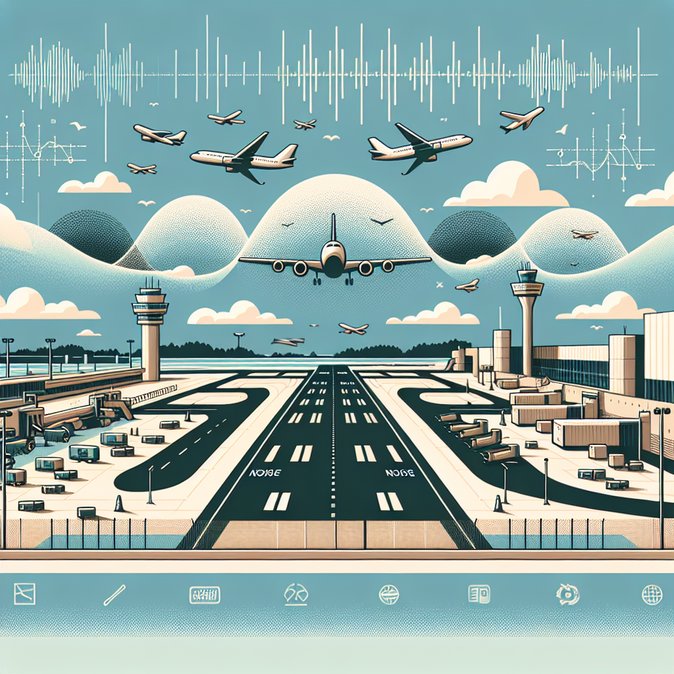
Melbourne Airport has kicked off the public-consultation phase of its long-awaited third-runway project, releasing early feedback from more than 1,000 residents and industry stakeholders who took part in surveys, webinars and in-person forums over the past month. According to airport management, the majority of the 570 formal survey responses asked for “meaningful breaks from aircraft noise at night” and for alternating flight-paths that would give suburbs predictable respite days. The third runway—scheduled to open in 2031—will almost double the airport’s declared hourly capacity and is viewed by the Victorian Government and business groups as critical infrastructure for the state’s projected passenger demand of 76 million travellers by 2045.
![Melbourne Airport’s third-runway noise plan enters community review as border facilities upgraded]()
For international passengers planning trips through Melbourne, securing the right entry documentation will become even more crucial as traffic volumes grow. VisaHQ’s online platform (https://www.visahq.com/australia/) simplifies the process by guiding travellers step-by-step through visa requirements for Australia and dozens of other destinations, offering digital applications, live support and timely updates—ensuring visitors can focus on booking flights rather than paperwork.
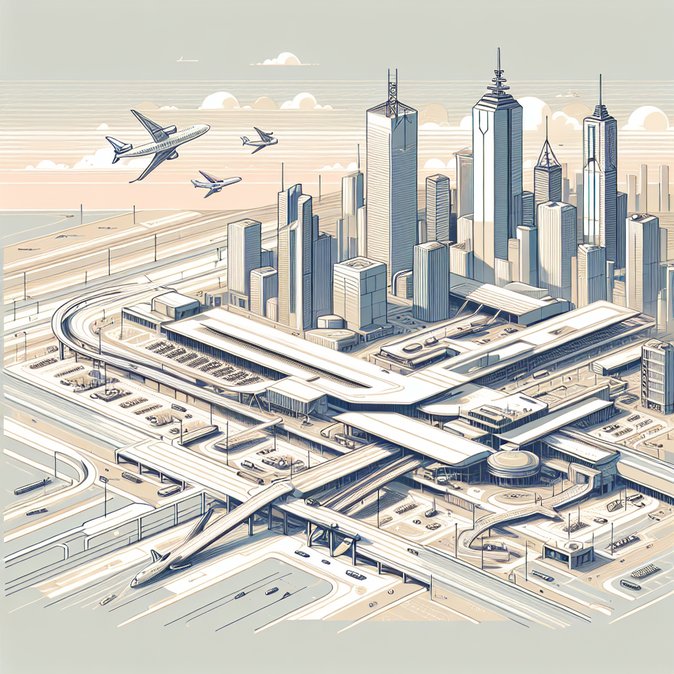
Melbourne Airport’s Executive General Manager for Major Capital Projects, Scott Cooper, said the runway will “reduce delays, support thousands of new jobs and give airlines greater operational flexibility.” Airlines have lobbied for the extra pavement to improve on-time performance for both passenger and freight services, particularly during the busy Asia-Pacific evening departure window. Noise management is now one of the final regulatory hurdles for the project. The airport will release a full draft Noise Assessment and Mitigation Plan later this year before it is submitted to the federal environment minister. Community groups are already calling for commitments to maintain an overnight curfew on the new strip or, at minimum, a strict quota on late-night freight movements. In parallel with the runway consultation, Melbourne Airport quietly opened an upgraded Customs and Border Protection facility in March, streamlining SmartGate and manual processing capacity for the anticipated traffic growth. The refurbished hall adds 10 automated eGates, biometric kiosks that now accept passports from all nations, and a secondary-screening laboratory designed to fast-track biosecurity inspections for perishable air-cargo. This investment signals that border agencies are preparing well in advance for the extra international services the third runway is expected to attract once operational.
For international passengers planning trips through Melbourne, securing the right entry documentation will become even more crucial as traffic volumes grow. VisaHQ’s online platform (https://www.visahq.com/australia/) simplifies the process by guiding travellers step-by-step through visa requirements for Australia and dozens of other destinations, offering digital applications, live support and timely updates—ensuring visitors can focus on booking flights rather than paperwork.
Melbourne Airport’s Executive General Manager for Major Capital Projects, Scott Cooper, said the runway will “reduce delays, support thousands of new jobs and give airlines greater operational flexibility.” Airlines have lobbied for the extra pavement to improve on-time performance for both passenger and freight services, particularly during the busy Asia-Pacific evening departure window. Noise management is now one of the final regulatory hurdles for the project. The airport will release a full draft Noise Assessment and Mitigation Plan later this year before it is submitted to the federal environment minister. Community groups are already calling for commitments to maintain an overnight curfew on the new strip or, at minimum, a strict quota on late-night freight movements. In parallel with the runway consultation, Melbourne Airport quietly opened an upgraded Customs and Border Protection facility in March, streamlining SmartGate and manual processing capacity for the anticipated traffic growth. The refurbished hall adds 10 automated eGates, biometric kiosks that now accept passports from all nations, and a secondary-screening laboratory designed to fast-track biosecurity inspections for perishable air-cargo. This investment signals that border agencies are preparing well in advance for the extra international services the third runway is expected to attract once operational.