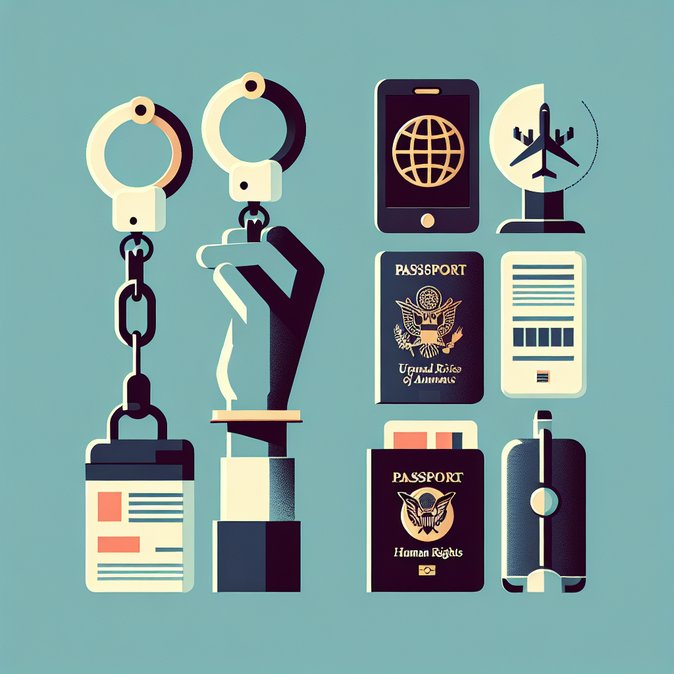
Leaked internal directives show that Management & Training Corporation (MTC) – the US company that took over Australia’s on-shore immigration detention contract last year – has ordered guards to place every detainee in handcuffs whenever they are moved outside centre walls. The 12 April memo follows more than a dozen escapes or attempted escapes since MTC won the A$2.3 billion deal, including a high-profile hospital breakout last week. The new rules apply even to low-risk detainees, with exemptions only on medical grounds. Escort teams for higher-risk movements will rise from three to four officers, excluding the driver, and restraints must remain until the detainee is back inside a secure compound. The Australian Border Force confirmed it is “working with the contractor” to ensure facilities remain safe and adequately staffed.
![All immigration detainees to be handcuffed during transport after spate of escapes]()
Amid these uncertainties, VisaHQ’s Australia portal (https://www.visahq.com/australia/) can streamline the visa and travel-document process for companies moving employees or contractors into and out of the country, helping mobility teams stay compliant while navigating an environment of tighter security protocols.
Human-rights advocates condemned the blanket use of shackles, saying it risks breaching proportionality principles and further traumatising asylum seekers. Unions representing detention officers counter that chronic understaffing and ill-equipped vehicles have created unsustainable safety gaps. For global employers the immediate impact is indirect: most business travellers never come near detention facilities. Yet the episode highlights rising operational risk for service suppliers that carry corporate travellers – such as private ambulance, security-escort or charter-flight providers – who may now confront stricter ABF oversight. More broadly, the optics of harsher detention protocols could reverberate through talent-attraction campaigns just as companies struggle to fill critical-skills slots. Mobility managers should brief relocating staff about heightened visibility of enforcement actions and anticipate tougher identity checks at hospitals, courts and transit hubs where detainees may be present.

Amid these uncertainties, VisaHQ’s Australia portal (https://www.visahq.com/australia/) can streamline the visa and travel-document process for companies moving employees or contractors into and out of the country, helping mobility teams stay compliant while navigating an environment of tighter security protocols.
Human-rights advocates condemned the blanket use of shackles, saying it risks breaching proportionality principles and further traumatising asylum seekers. Unions representing detention officers counter that chronic understaffing and ill-equipped vehicles have created unsustainable safety gaps. For global employers the immediate impact is indirect: most business travellers never come near detention facilities. Yet the episode highlights rising operational risk for service suppliers that carry corporate travellers – such as private ambulance, security-escort or charter-flight providers – who may now confront stricter ABF oversight. More broadly, the optics of harsher detention protocols could reverberate through talent-attraction campaigns just as companies struggle to fill critical-skills slots. Mobility managers should brief relocating staff about heightened visibility of enforcement actions and anticipate tougher identity checks at hospitals, courts and transit hubs where detainees may be present.