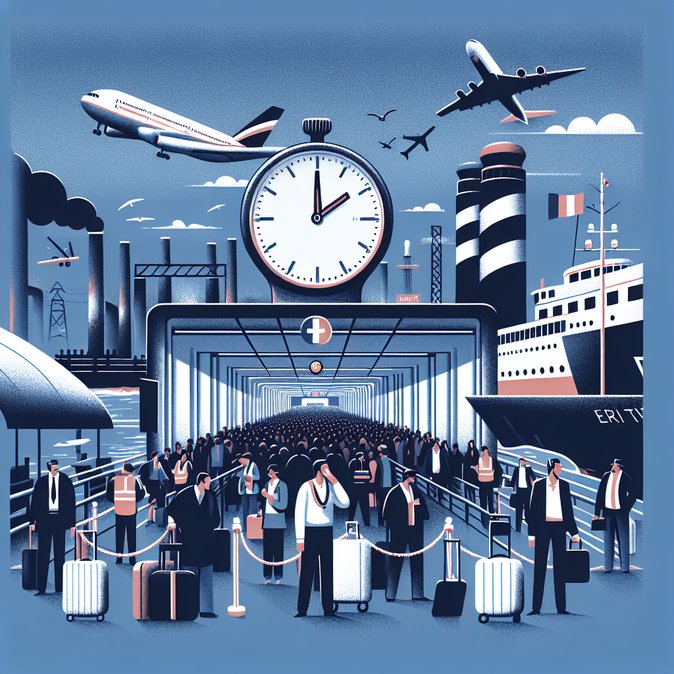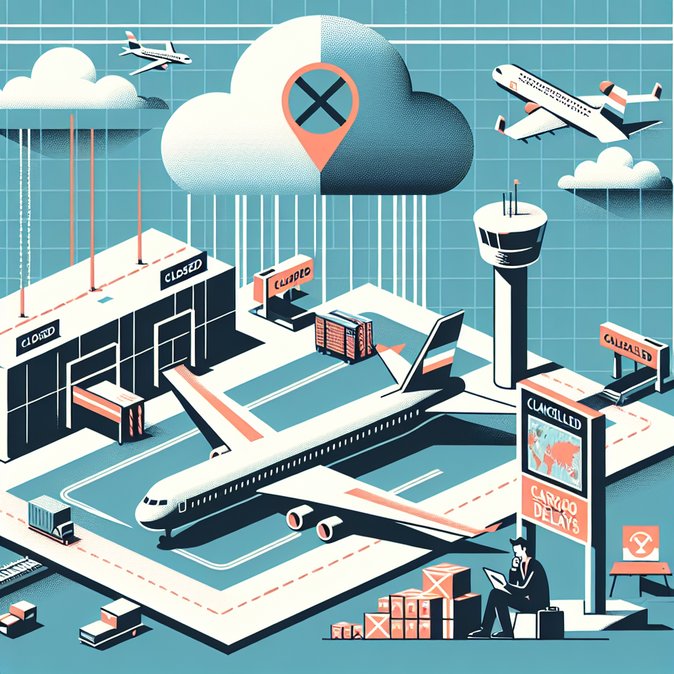
German carrier Lufthansa reached a last-minute agreement with the Vereinigung Cockpit pilots’ union late on 18 April, allowing normal operations to resume on Sunday 19 April. The walkout had forced cancellation of up to 80 percent of flights at Frankfurt and Munich, cascading into hundreds of axed rotations to Paris-CDG, Lyon, Nice and Marseille. French business travellers were among the 220,000 passengers disrupted. Under the accord, both sides commit to three months of structured talks on pay and scheduling, with a moratorium on further industrial action. Lufthansa will gradually reposition aircraft and crews, warning of residual delays through mid-week. Air France and easyJet, which had seen sudden spikes in last-minute bookings on affected city-pairs, plan to restore standard fare classes by Tuesday. Impact on global mobility programmes: Multinationals with headquarters in Paris and regional hubs in Germany rely heavily on the dense Luft-Hansa–Air France codeshare network for same-day meetings and commuter assignments. Travel managers scrambled to re-route assignees via Brussels or Zurich, incurring extra hotel and rail costs.
![Lufthansa Pilot Deal Ends Week-Long Strike, Restores French Flight Connectivity]()
For corporate travel coordinators needing quick confirmation that rerouted employees have the correct entry documentation, VisaHQ’s France portal (https://www.visahq.com/france/) offers rapid visa checks, Schengen calculator tools, and same-day courier services. The platform can flag whether a switch through, say, Switzerland or the UK triggers additional visa requirements, giving HR teams reliable compliance data while negotiations continue.
The end of the strike removes immediate uncertainty, but HR teams are advised to keep alternative routings on file as negotiations proceed. Regulatory angle: The French Civil Aviation Authority (DGAC) had issued a rare traffic-rights waiver allowing Lufthansa to wet-lease capacity from Spanish operator Wamos Air to cover critical repatriation flights, illustrating growing regulatory flexibility when labour unrest threatens passenger welfare. Take-aways for companies: 1) Build labour-dispute clauses into travel policies, setting thresholds for proactive re-booking; 2) Monitor bilateral waivers that can open up unexpected capacity; 3) Ensure assignees’ Schengen days are recalculated if they transit additional countries because of diversions.

For corporate travel coordinators needing quick confirmation that rerouted employees have the correct entry documentation, VisaHQ’s France portal (https://www.visahq.com/france/) offers rapid visa checks, Schengen calculator tools, and same-day courier services. The platform can flag whether a switch through, say, Switzerland or the UK triggers additional visa requirements, giving HR teams reliable compliance data while negotiations continue.
The end of the strike removes immediate uncertainty, but HR teams are advised to keep alternative routings on file as negotiations proceed. Regulatory angle: The French Civil Aviation Authority (DGAC) had issued a rare traffic-rights waiver allowing Lufthansa to wet-lease capacity from Spanish operator Wamos Air to cover critical repatriation flights, illustrating growing regulatory flexibility when labour unrest threatens passenger welfare. Take-aways for companies: 1) Build labour-dispute clauses into travel policies, setting thresholds for proactive re-booking; 2) Monitor bilateral waivers that can open up unexpected capacity; 3) Ensure assignees’ Schengen days are recalculated if they transit additional countries because of diversions.