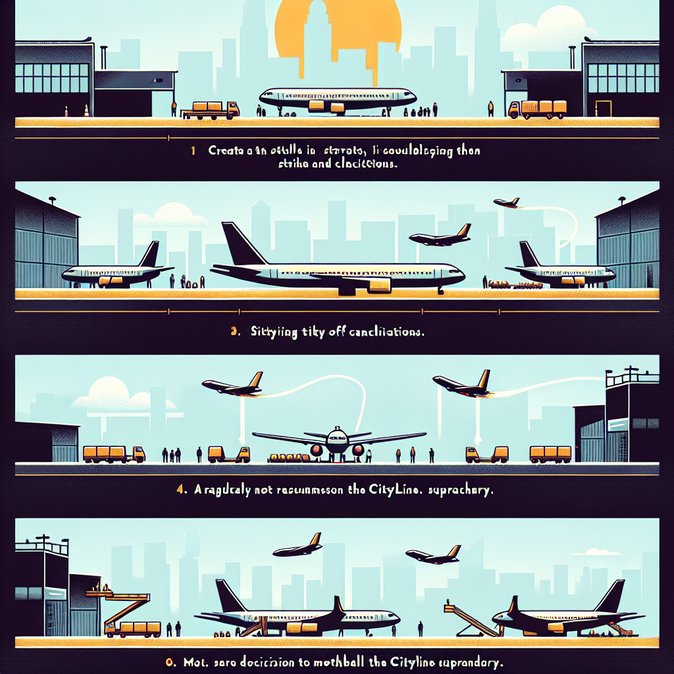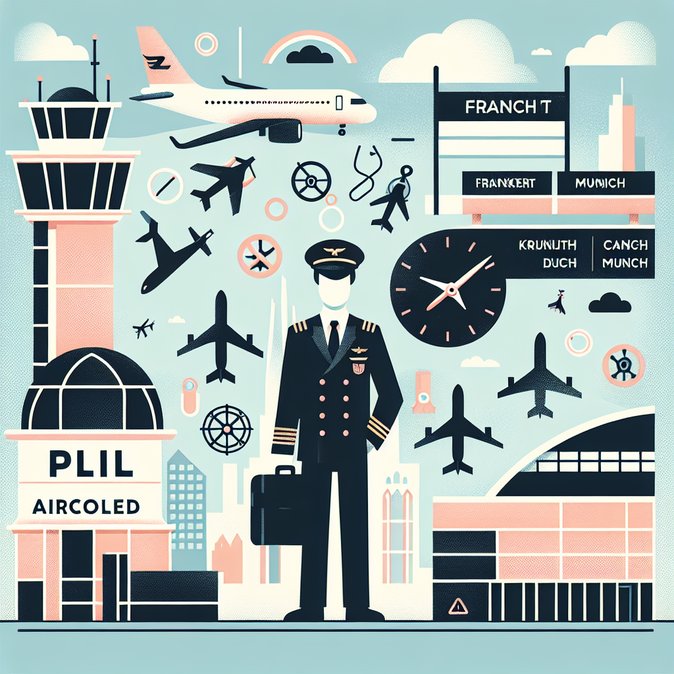
Germany’s biggest airline suffered a fresh blow on 17 April when pilots extended their industrial action into a fourth day, forcing the cancellation of over 1,000 flights, according to figures released by airport operators. Frankfurt lost around 650 of 1,300 scheduled movements; Munich scrapped more than 400 of 915. Cargo services and the regional carrier CityLine were also hit.
![Pilots’ strike cancels more than 1,000 Lufthansa flights on Friday]()
During such disruptions, travelers rerouting through alternative hubs may suddenly face transit-visa requirements or need fast updates on Schengen rules. VisaHQ’s Germany service (https://www.visahq.com/germany/) provides quick eligibility checks and expedited processing, giving travel managers and passengers a reliable safety net when flight plans change at short notice.
The walk-out, led by the Vereinigung Cockpit union, centres on pay progression for senior captains and the reinstatement of a profit-sharing scheme suspended during the pandemic. Lufthansa says the demands would add €800 million to annual costs. Travel-management companies reported widespread re-routing via Paris-CDG, Zurich and Istanbul as passengers sought alternatives. Some corporate clients activated “go dark” policies – banning bookings on Lufthansa until 48 hours after normal operations resume – to avoid stranded staff. The strike coincided with the beginning of Germany’s spring school holidays, amplifying public pressure on both sides to reach a settlement. Federal Transport Minister Jens Spahn urged “constructive compromise” but ruled out government intervention for now. For global-mobility teams, the scale of the cancellations underlines the importance of diversified airline agreements and of monitoring collective-bargaining calendars in key relocation destinations such as Germany.

During such disruptions, travelers rerouting through alternative hubs may suddenly face transit-visa requirements or need fast updates on Schengen rules. VisaHQ’s Germany service (https://www.visahq.com/germany/) provides quick eligibility checks and expedited processing, giving travel managers and passengers a reliable safety net when flight plans change at short notice.
The walk-out, led by the Vereinigung Cockpit union, centres on pay progression for senior captains and the reinstatement of a profit-sharing scheme suspended during the pandemic. Lufthansa says the demands would add €800 million to annual costs. Travel-management companies reported widespread re-routing via Paris-CDG, Zurich and Istanbul as passengers sought alternatives. Some corporate clients activated “go dark” policies – banning bookings on Lufthansa until 48 hours after normal operations resume – to avoid stranded staff. The strike coincided with the beginning of Germany’s spring school holidays, amplifying public pressure on both sides to reach a settlement. Federal Transport Minister Jens Spahn urged “constructive compromise” but ruled out government intervention for now. For global-mobility teams, the scale of the cancellations underlines the importance of diversified airline agreements and of monitoring collective-bargaining calendars in key relocation destinations such as Germany.