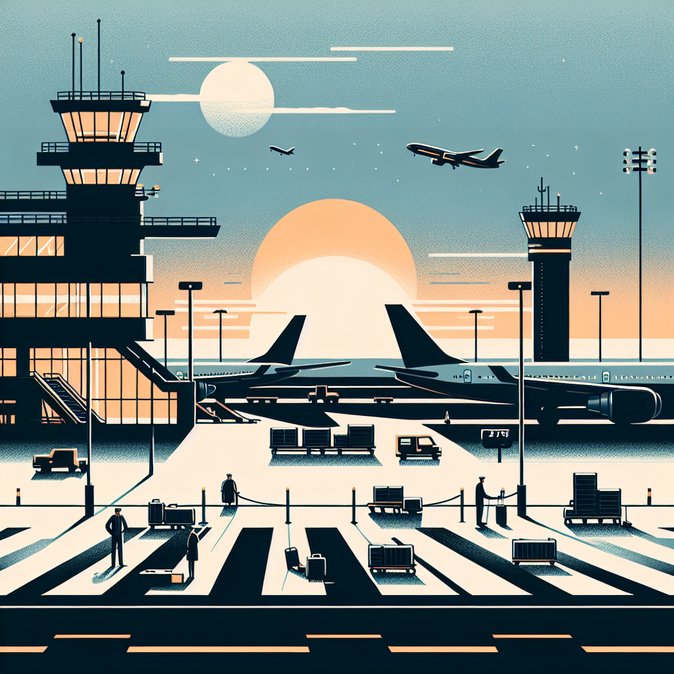
India’s aviation-safety record received an unwelcome jolt on 17 April when two Boeing 737s—one operated by low-cost up-start Akasa Air and the other by SpiceJet—made contact on an apron taxi lane at Indira Gandhi International Airport (Terminal 1). The SpiceJet aircraft, arriving from Leh, clipped the horizontal stabiliser of an Akasa jet waiting to depart for Hyderabad at roughly 14:15 hrs. All 300 passengers disembarked unhurt, but both aircraft sustained structural damage and were grounded for inspection.
![Akasa Air–SpiceJet ground collision at Delhi delays 300 travellers; DGCA launches probe]()
For international and domestic travellers alike, staying flexible amid such unexpected disruptions is much easier when visa formalities are handled well in advance. VisaHQ’s streamlined portal (https://www.visahq.com/india/) can arrange, renew or fast-track Indian visas online, provide real-time status updates and send travel alerts—so passengers can focus on rebooking flights or adjusting itineraries if airport operations are suddenly curtailed.
The Directorate General of Civil Aviation immediately opened a statutory investigation into whether inadequate wing-tip clearance, mis-communication with apron controllers or crew error was to blame. Preliminary statements suggest SpiceJet’s right winglet pierced Akasa’s tailplane as the arriving aircraft swung onto a parking stand. Airport operator DIAL confirmed that CCTV footage, flight-data recorders and radio transcripts have been impounded. The incident forced Akasa to re-accommodate passengers on later flights and added further stress to a network already struggling with long detours around West Asia. For corporate travel planners, the episode is a reminder of the vulnerability of tight same-day connections through Delhi, which handles nearly 1,400 aircraft movements daily. Beyond the immediate disruption, industry insiders fear insurance premia for newer Indian carriers could edge higher, and that DGCA may tighten standard-operating-procedures for ‘follow-me’ marshals on domestic aprons—measures that ultimately raise costs and turnaround times. Travellers using Delhi Terminal 1 over the next week should build in longer buffers, monitor airline apps for last-minute gate changes and watch for DGCA safety directives that could shuffle slot timings across Akasa, SpiceJet and IndiGo.
For international and domestic travellers alike, staying flexible amid such unexpected disruptions is much easier when visa formalities are handled well in advance. VisaHQ’s streamlined portal (https://www.visahq.com/india/) can arrange, renew or fast-track Indian visas online, provide real-time status updates and send travel alerts—so passengers can focus on rebooking flights or adjusting itineraries if airport operations are suddenly curtailed.
The Directorate General of Civil Aviation immediately opened a statutory investigation into whether inadequate wing-tip clearance, mis-communication with apron controllers or crew error was to blame. Preliminary statements suggest SpiceJet’s right winglet pierced Akasa’s tailplane as the arriving aircraft swung onto a parking stand. Airport operator DIAL confirmed that CCTV footage, flight-data recorders and radio transcripts have been impounded. The incident forced Akasa to re-accommodate passengers on later flights and added further stress to a network already struggling with long detours around West Asia. For corporate travel planners, the episode is a reminder of the vulnerability of tight same-day connections through Delhi, which handles nearly 1,400 aircraft movements daily. Beyond the immediate disruption, industry insiders fear insurance premia for newer Indian carriers could edge higher, and that DGCA may tighten standard-operating-procedures for ‘follow-me’ marshals on domestic aprons—measures that ultimately raise costs and turnaround times. Travellers using Delhi Terminal 1 over the next week should build in longer buffers, monitor airline apps for last-minute gate changes and watch for DGCA safety directives that could shuffle slot timings across Akasa, SpiceJet and IndiGo.