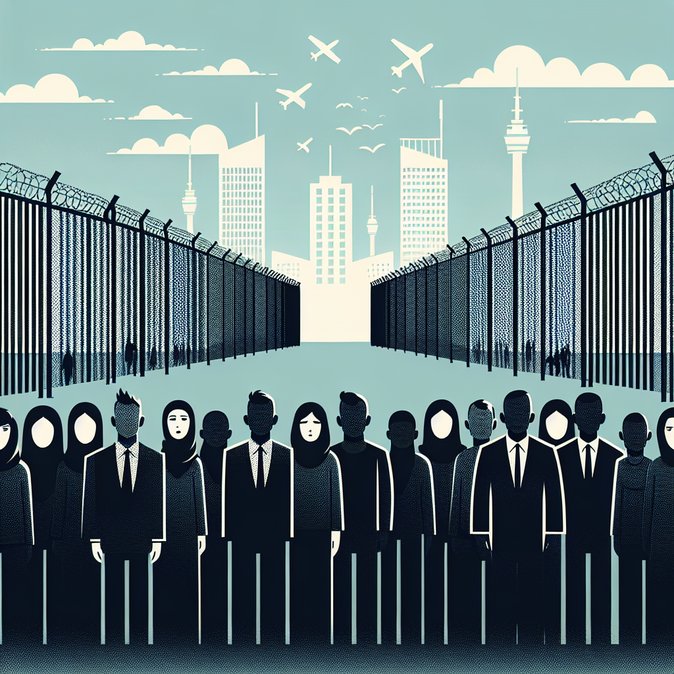
An Associated Press investigation published on 14 April highlights mounting fears among Afghan migrants held in Polish detention centres. Activists say hundreds could be deported to Taliban-controlled Afghanistan because Poland has partially suspended the right to claim asylum at its land border with Belarus. The restrictions, introduced in March 2025 and officially deemed “temporary”, allow border officials to deny applications from people who cross irregularly. NGOs argue that guards now reject claims almost automatically, leaving applicants in prolonged detention with limited legal remedy. Poland’s Interior Ministry maintains that the measure is necessary to curb “instrumentalised migration” allegedly orchestrated by Minsk. Yet cases cited by AP include individuals whose family members were killed by the Taliban and who face persecution if returned. Under EU law, collective expulsions to unsafe countries are prohibited; Warsaw insists deportations will follow individual assessments, but observers doubt the capacity for thorough review.
![Rights groups warn Afghan migrants in Poland risk deportation as asylum curbs bite]()
Individuals and employers looking for practical ways to navigate Poland’s shifting immigration rules can tap VisaHQ’s online platform for step-by-step guidance on humanitarian visas, work permits and other travel documents. The service pairs applicants with experienced specialists and monitors regulatory changes in real time, reducing the risk of errors that could endanger status or lead to detention. More details are available at https://www.visahq.com/poland/
For employers the situation adds complexity when hiring refugees or issuing humanitarian-based work permits. Companies sponsoring Afghan talent may need to provide stronger evidence of employment to prevent removal orders. Mobility advisers further recommend crisis-management plans should employees be detained during routine checks near the eastern border.

Individuals and employers looking for practical ways to navigate Poland’s shifting immigration rules can tap VisaHQ’s online platform for step-by-step guidance on humanitarian visas, work permits and other travel documents. The service pairs applicants with experienced specialists and monitors regulatory changes in real time, reducing the risk of errors that could endanger status or lead to detention. More details are available at https://www.visahq.com/poland/
For employers the situation adds complexity when hiring refugees or issuing humanitarian-based work permits. Companies sponsoring Afghan talent may need to provide stronger evidence of employment to prevent removal orders. Mobility advisers further recommend crisis-management plans should employees be detained during routine checks near the eastern border.