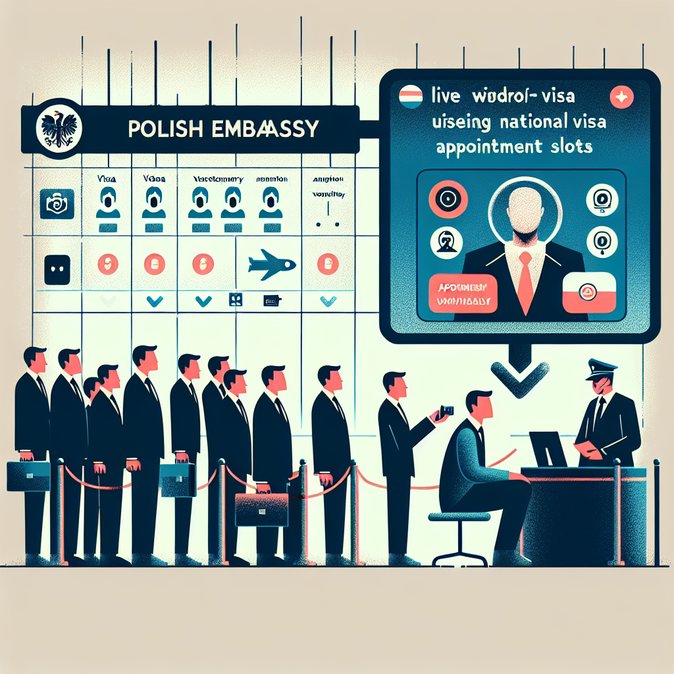
Poland’s Embassy in Algiers has rolled out a new video-verification module within the e-Konsulat appointment system, effective 13 April 2026. The tool allows would-be travellers to confirm their identity and passport data online before securing a time slot to lodge a national-visa application.
![Warsaw introduces video-verification tool for e-Konsulat visa appointments in Algeria]()
For travellers who need extra guidance navigating Poland’s evolving visa procedures, specialist platforms such as VisaHQ offer step-by-step support, document checklists and real-time status tracking. Their Poland-specific portal (https://www.visahq.com/poland/) can streamline preparation while keeping applicants informed about updates like the new video-verification requirement, saving both individuals and HR coordinators valuable time.
Applicants who complete live video verification are granted priority access to the limited appointment pool, reducing average waiting times from several weeks to a few days. The embassy says the pilot responds to persistent demand for Polish work-and-study visas from Algerian nationals and to reports of appointment scalping by third-party agents. The external service provider charges a fixed fee of €9.05 and offers 24/7 technical support; payments are processed through a secure gateway complying with EU data-protection rules. For companies recruiting talent from North Africa, the change should speed mobilisations but will require candidates to have a stable internet connection and a device with a front-facing camera. HR teams are advised to brief applicants on the one-time verification call and to schedule contingency time in case additional checks are requested. If the scheme proves successful, the Ministry of Foreign Affairs plans to extend video verification to other high-volume posts, beginning with Doha and New Delhi later this year. The initiative dovetails with Poland’s broader effort to counter appointment fraud and improve client service in consulates worldwide.

For travellers who need extra guidance navigating Poland’s evolving visa procedures, specialist platforms such as VisaHQ offer step-by-step support, document checklists and real-time status tracking. Their Poland-specific portal (https://www.visahq.com/poland/) can streamline preparation while keeping applicants informed about updates like the new video-verification requirement, saving both individuals and HR coordinators valuable time.
Applicants who complete live video verification are granted priority access to the limited appointment pool, reducing average waiting times from several weeks to a few days. The embassy says the pilot responds to persistent demand for Polish work-and-study visas from Algerian nationals and to reports of appointment scalping by third-party agents. The external service provider charges a fixed fee of €9.05 and offers 24/7 technical support; payments are processed through a secure gateway complying with EU data-protection rules. For companies recruiting talent from North Africa, the change should speed mobilisations but will require candidates to have a stable internet connection and a device with a front-facing camera. HR teams are advised to brief applicants on the one-time verification call and to schedule contingency time in case additional checks are requested. If the scheme proves successful, the Ministry of Foreign Affairs plans to extend video verification to other high-volume posts, beginning with Doha and New Delhi later this year. The initiative dovetails with Poland’s broader effort to counter appointment fraud and improve client service in consulates worldwide.