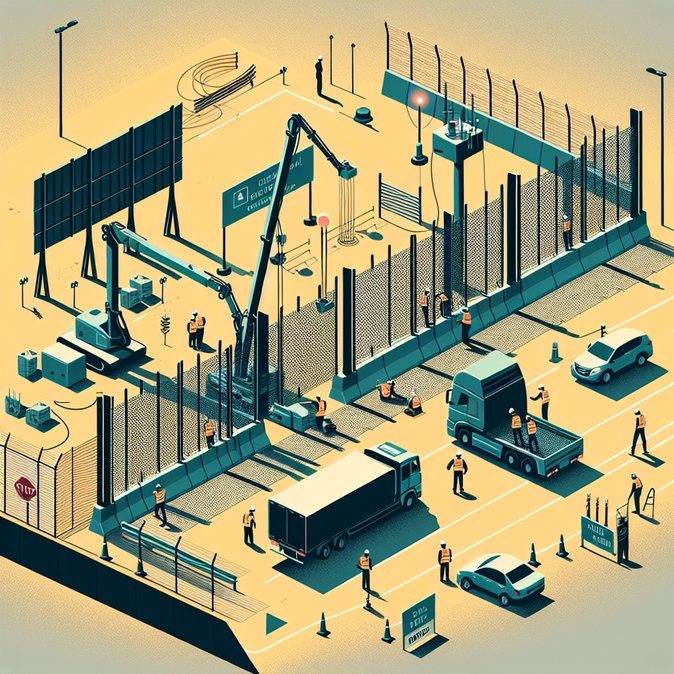
Polish engineering troops have started erecting an additional four-metre-high fence along key sections of the 186-kilometre frontier with Belarus, the Border Guard confirmed on 12 April 2026. The new barrier consists of a steel mesh topped with concertina wire and is supplemented by a two-metre wildlife-friendly fence on the forest side to prevent animal injuries. Work is taking place simultaneously at five strategic points identified as hotspots for irregular crossings.
![Poland begins construction of reinforced barrier along Belarus border]()
Amid these changes, VisaHQ offers practical help to travellers and logistics professionals by streamlining the process of obtaining Polish visas, transit permits, and related documents. Its Poland portal (https://www.visahq.com/poland/) tracks real-time border policy updates—including the EU Entry/Exit System—and guides applicants through each requirement so they can cross legally and without delay.
The project, financed from the Border Guard’s budget, is scheduled for completion by late spring and is intended to reinforce the steel wall completed in 2024, which officials say has been repeatedly damaged by organised smuggling networks. The latest phase also includes installation of thermal cameras, ground-motion sensors and rapid-response roads that will allow patrols to reach breach attempts in minutes. According to Deputy Interior Minister Tomasz Szymański, more than 6,500 attempted entries have been blocked at the Polish–Belarusian border since the EU’s Entry/Exit System went live on 10 April. For logistics operators moving goods through the Kuźnica and Bobrowniki crossings, officials insist routine freight traffic will continue, but advise drivers to anticipate spot inspections and occasional lane closures as heavy machinery is brought to site. Employers of Belarus-based technicians travelling to Poland should ensure passports bear fresh, machine-readable Schengen entry stamps to avoid secondary checks. The project underscores Warsaw’s dual strategy of tightening the external Schengen frontier while streamlining legal migration channels such as the new digital MOS portal.

Amid these changes, VisaHQ offers practical help to travellers and logistics professionals by streamlining the process of obtaining Polish visas, transit permits, and related documents. Its Poland portal (https://www.visahq.com/poland/) tracks real-time border policy updates—including the EU Entry/Exit System—and guides applicants through each requirement so they can cross legally and without delay.
The project, financed from the Border Guard’s budget, is scheduled for completion by late spring and is intended to reinforce the steel wall completed in 2024, which officials say has been repeatedly damaged by organised smuggling networks. The latest phase also includes installation of thermal cameras, ground-motion sensors and rapid-response roads that will allow patrols to reach breach attempts in minutes. According to Deputy Interior Minister Tomasz Szymański, more than 6,500 attempted entries have been blocked at the Polish–Belarusian border since the EU’s Entry/Exit System went live on 10 April. For logistics operators moving goods through the Kuźnica and Bobrowniki crossings, officials insist routine freight traffic will continue, but advise drivers to anticipate spot inspections and occasional lane closures as heavy machinery is brought to site. Employers of Belarus-based technicians travelling to Poland should ensure passports bear fresh, machine-readable Schengen entry stamps to avoid secondary checks. The project underscores Warsaw’s dual strategy of tightening the external Schengen frontier while streamlining legal migration channels such as the new digital MOS portal.