48-hour nationwide public-transport strike set to paralyse German cities
Germany extends border controls with Czech Republic until 15 September 2026
Bundestag amends Aviation Security Act, giving airports new powers against rogue drones
Latest News
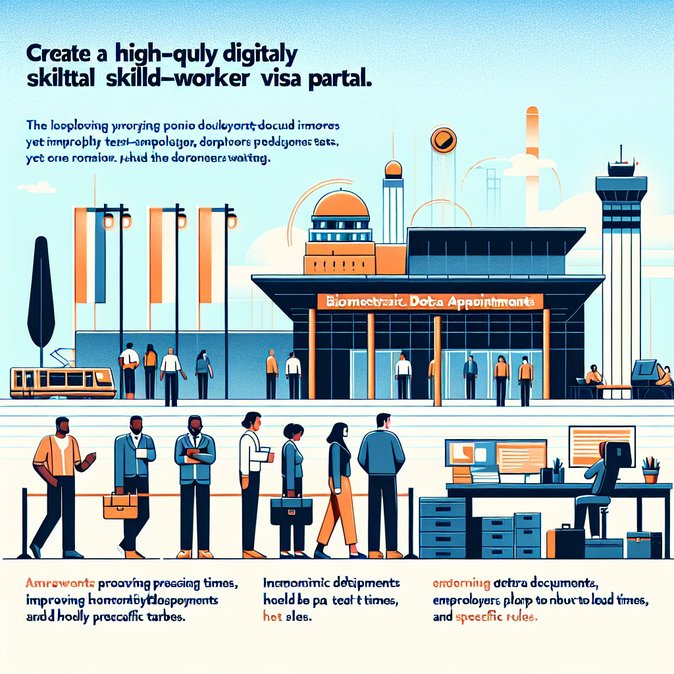
One year on, Germany’s digital visa portal still hampered by appointment bottlenecks
A legal industry review finds Germany’s fully digital skilled-worker visa portal, operational since February 2025, is still slowed by limited biometric-appointment capacity. Processing times have improved but not yet hit government targets, leaving employers to pad lead-times and follow mission-specific document rules.

New Federal Collective Bargaining Compliance Act could reshape posted-worker bids on German infrastructure projects
A new law obliges companies—domestic or foreign—to honour German collective-wage agreements when executing federal contracts above €50,000. Posted-worker suppliers must certify compliance or risk fines and debarment, adding a fresh layer of diligence for cross-border project bids and assignee payroll planning.
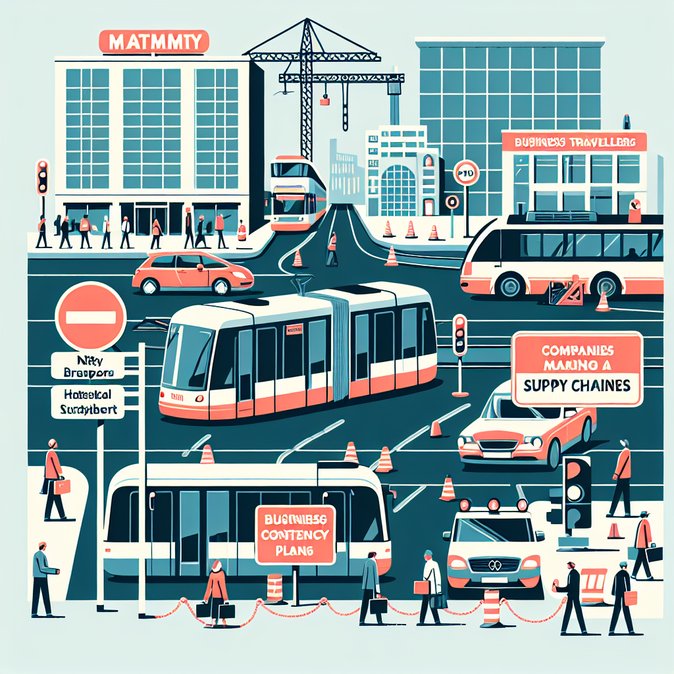
Nationwide 48-Hour Public Transport Strike Set to Disrupt Travel Across Germany
Ver.di has announced a two-day national strike on 27–28 February that will halt most city buses, trams and U-Bahn services across Germany, threatening severe disruption for commuters, business travellers and supply-chain movements. The action escalates stalled wage negotiations and could foreshadow longer walkouts if no agreement is reached, making contingency planning critical for companies with operations or meetings in Germany.

UK Introduces Mandatory Electronic Travel Authorisation for German Visitors
As of 25 February 2026, German citizens must secure an Electronic Travel Authorisation (ETA) before entering the United Kingdom. The £16 digital permit, applied for via smartphone, becomes a compulsory addition to travel-planning checklists and introduces new compliance steps for corporate mobility teams sending staff to the UK.
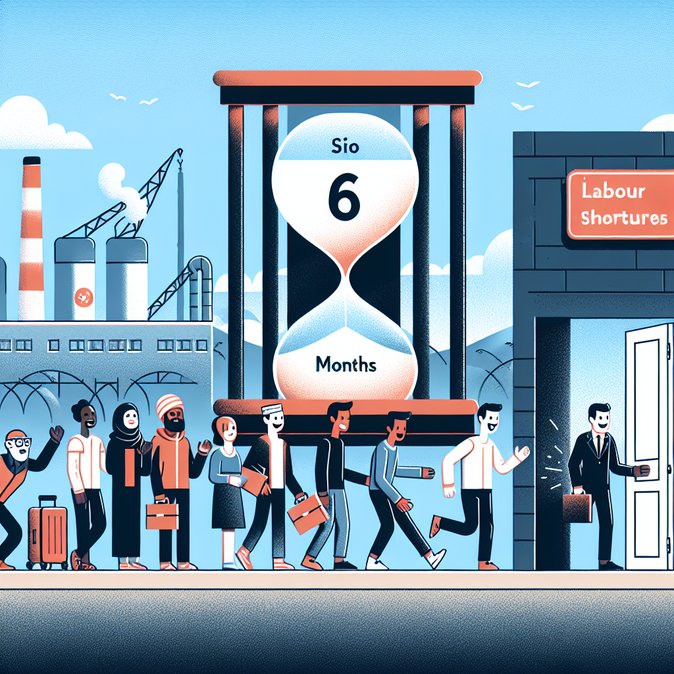
Berlin Considers Allowing Asylum Seekers to Enter Labour Market After Three Months
At a 25 February government press briefing, the Interior Ministry confirmed plans to let asylum seekers start work after three rather than six months, a move aimed at easing Germany’s critical labour shortages. The draft bill, expected before summer, could add tens of thousands of workers to the economy but will introduce new employer-compliance obligations.
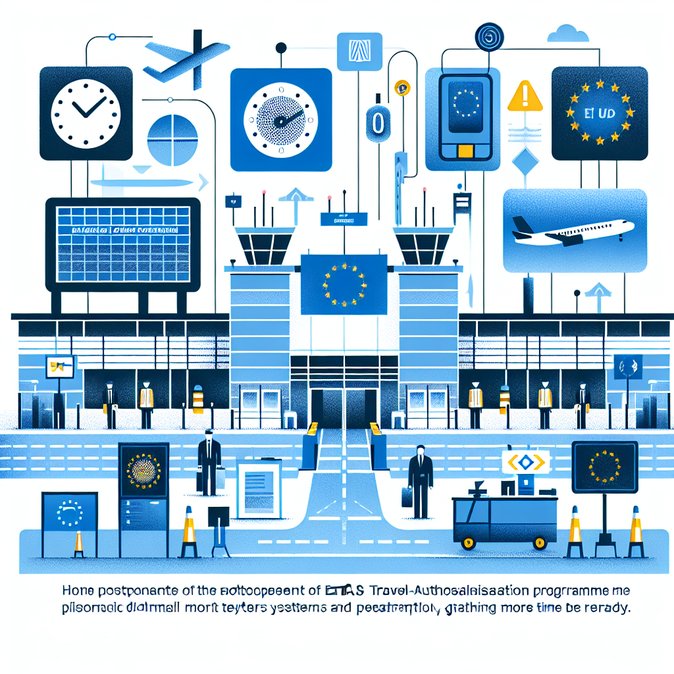
EU Pushes ETIAS Visa-Waiver Scheme to 2027 After Further Entry/Exit System Delays
The EU has officially postponed the launch of its ETIAS travel-authorisation programme until 2027 because the underlying biometric Entry/Exit System is not ready. The delay spares German airports and companies an additional layer of bureaucracy this year but signals that digital border checks are still coming, giving mobility managers more time to prepare.
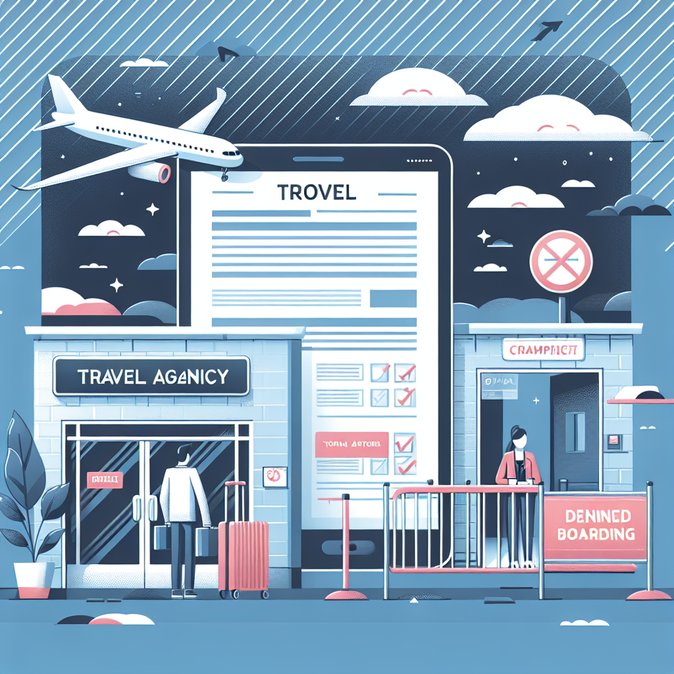
Munich Court Rules Tour Operator Liable for Failing to Warn Travellers About Exit Paperwork
A Munich court has ruled that a tour operator must refund and compensate clients who were denied boarding because they lacked a mandatory digital exit form, finding that operators have a duty to alert travellers to carrier-specific document checks. The judgment sets a precedent likely to influence how German travel agencies—and corporate mobility teams—handle digital entry-and-exit paperwork.