Germany Rolls Out Nationwide Digital Portal for Skilled-Worker Visas
Berlin Extends Internal Border Checks Until Mid-September 2026
EU Sets 3 March Meeting on Data-Sharing Deal with U.S.; Berlin Eyes Faster Security Vetting
Latest News
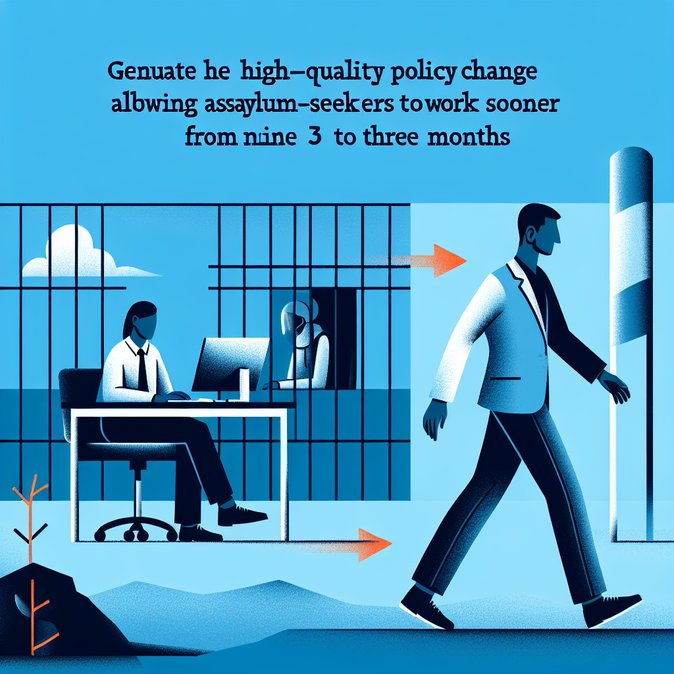
Germany Plans to Let Asylum-Seekers Work After Only Three Months
Interior Minister Alexander Dobrindt announced that asylum-seekers will be allowed to take up employment after just three months in Germany instead of the current nine. The measure is designed to ease labour shortages and reduce welfare costs, but critics cite shrinking budgets for language courses and the risk of under-regulated low-wage work.

Germany Rolls Out Fully Digital Skilled-Worker Visa Portal Worldwide
The Foreign Office confirmed that Germany’s new digital portal for skilled-worker visas is operational at all embassies and local immigration offices. End-to-end online filing, QR-coded e-visas and employer dashboards cut processing times by two-thirds, giving German firms a sharper edge in the global talent race.

Verdi Calls 48-Hour Nationwide Local-Transport Strike for 27–28 February
On 22 February 2026 the public-sector union Verdi announced a 48-hour strike across Germany’s local-transport networks for 27–28 February. Up to 150 bus, tram and U-Bahn operators will stop services, threatening severe disruption to commuters and business travellers unless an agreement on hours and pay is reached.

Berlin Extends Belgian Border Checks, Raising Schengen Tensions
Germany will keep passport checks on the Belgian border until at least September 2026, prolonging a measure that has already disrupted commuter and freight traffic since 2024. The decision strains Schengen principles and forces businesses in the border region to adjust logistics and staffing plans.
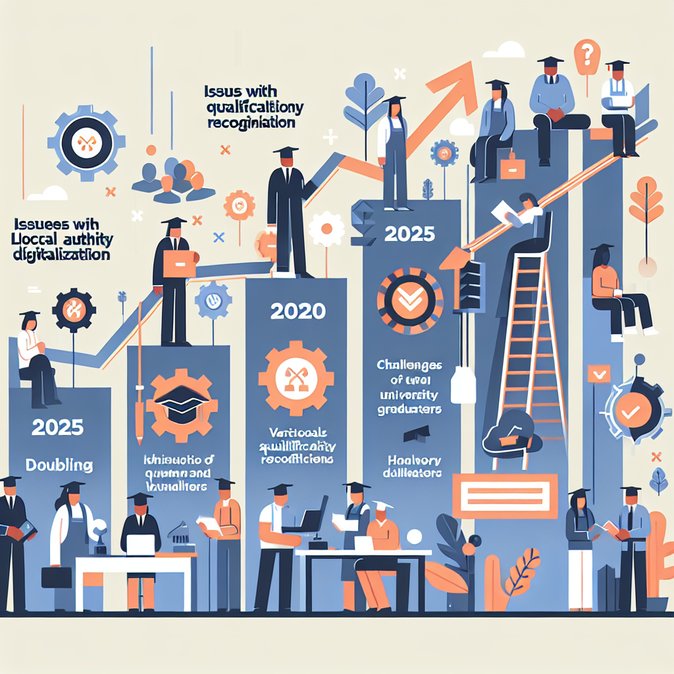
Five-Year Review Shows Skilled-Worker Immigration to Germany Has Doubled
A Federal Employment Agency review shows Germany attracted 128,000 skilled third-country nationals in 2025—double the figure recorded when the Skilled Immigration Act debuted in 2020. Vocational workers now outnumber university graduates under the scheme, but qualification recognition and local-authority digitalisation remain pain points.