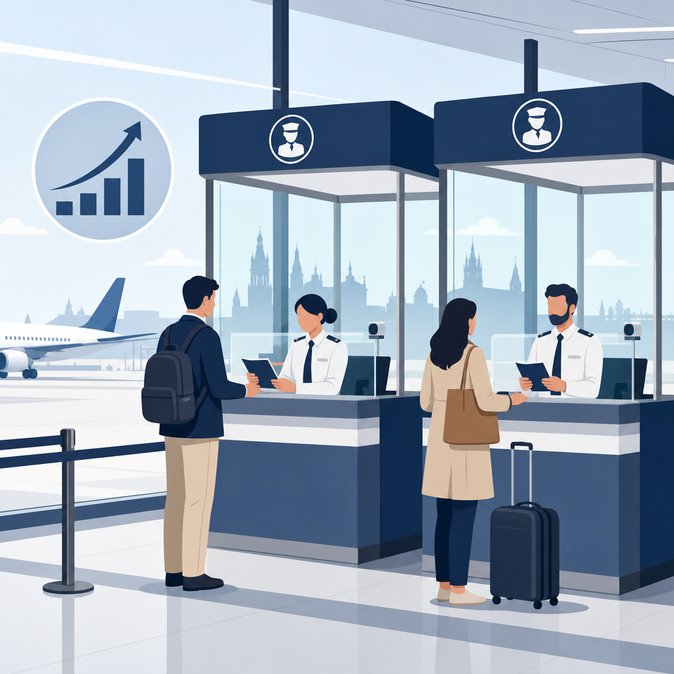
Foreign ministers of the ten democratic Baltic Sea states—meeting in Sopot under Poland’s outgoing Council of the Baltic Sea States (CBSS) presidency—have adopted a declaration that links regional security to tighter control over cross-border movements. While dominated by condemnation of Russia’s war against Ukraine, the document calls for ‘new targeted visa measures’ to restrict travel by individuals and entities supporting Moscow’s aggression. Diplomats told Polish media that the wording reflects frustration with continued loopholes in Schengen visa policy that allow Russian elites and logistics actors to enter Europe via third countries.
![Baltic States’ Sopot Declaration Signals Tougher Visa Curbs on Russia]()
For businesses and travelers affected by these impending visa curbs, VisaHQ offers practical assistance. Its Poland office (https://www.visahq.com/poland/) tracks the latest EU policy shifts, expedites Schengen and transit applications, and provides compliance guidance that helps applicants avoid costly delays—an invaluable service as regional authorities tighten screening and documentation requirements.
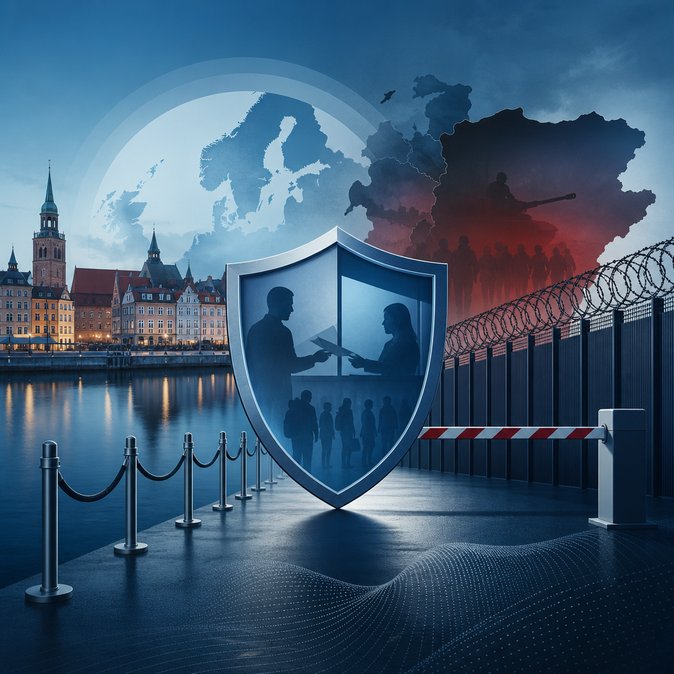
The declaration urges the EU and G7 to consider a full maritime-services ban on Russian energy exports and to crack down on so-called ‘shadow-fleet’ tankers operating under flags of convenience. The statement also denounces the ‘instrumentalisation of migration’ by Belarus, noting that hybrid pressure on Poland’s and Lithuania’s borders remains a live threat. It pledges closer intelligence sharing to detect organised attempts to funnel third-country nationals across the frontier and reaffirms support for Poland’s East Shield border-defence project. From a mobility perspective, businesses should anticipate stricter vetting of Russian and Belarusian nationals seeking Schengen visas, tighter ship-crew rotation procedures in Gdańsk and Gdynia, and sustained spot checks on the Polish–Lithuanian and Polish–German borders. Companies employing Russian citizens in Poland may face longer processing times and should monitor subsequent EU Council debates for formal sanction listings.
For businesses and travelers affected by these impending visa curbs, VisaHQ offers practical assistance. Its Poland office (https://www.visahq.com/poland/) tracks the latest EU policy shifts, expedites Schengen and transit applications, and provides compliance guidance that helps applicants avoid costly delays—an invaluable service as regional authorities tighten screening and documentation requirements.
The declaration urges the EU and G7 to consider a full maritime-services ban on Russian energy exports and to crack down on so-called ‘shadow-fleet’ tankers operating under flags of convenience. The statement also denounces the ‘instrumentalisation of migration’ by Belarus, noting that hybrid pressure on Poland’s and Lithuania’s borders remains a live threat. It pledges closer intelligence sharing to detect organised attempts to funnel third-country nationals across the frontier and reaffirms support for Poland’s East Shield border-defence project. From a mobility perspective, businesses should anticipate stricter vetting of Russian and Belarusian nationals seeking Schengen visas, tighter ship-crew rotation procedures in Gdańsk and Gdynia, and sustained spot checks on the Polish–Lithuanian and Polish–German borders. Companies employing Russian citizens in Poland may face longer processing times and should monitor subsequent EU Council debates for formal sanction listings.