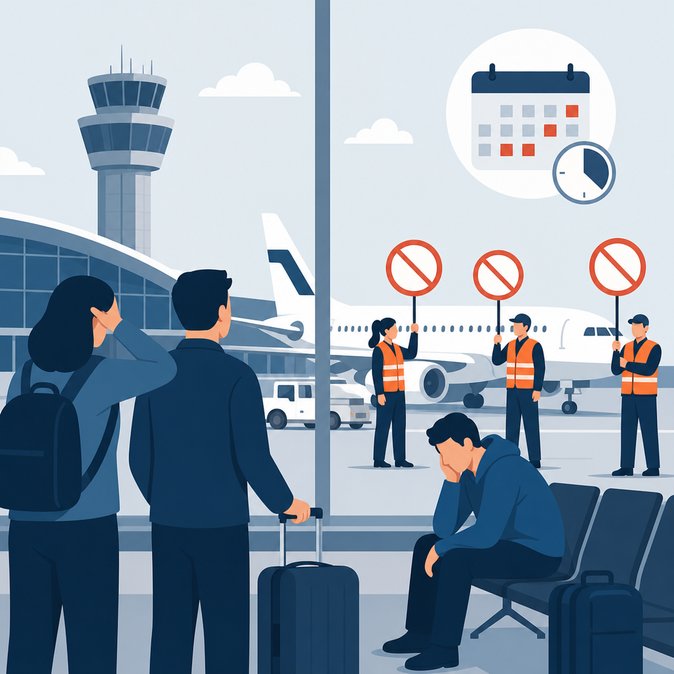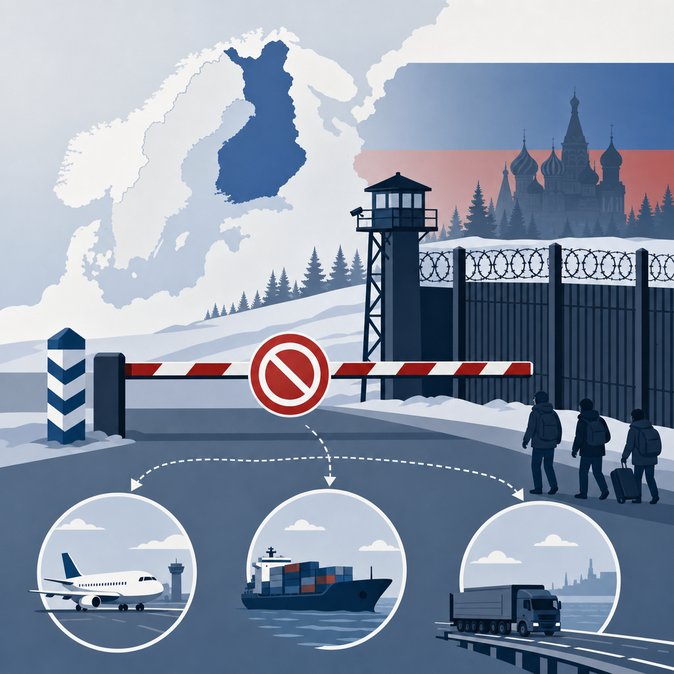
Finland’s Ministry of the Interior confirmed on 27 May 2026 that it has launched a fast-track legislative project to prolong the Act on Temporary Measures to Combat Instrumentalised Migration—better known as the Border Security Act. Enacted in July 2024 and already extended once, the law is currently due to expire on 31 December 2026. Officials now plan to submit another extension proposal to Parliament in September, arguing that the security situation on the 1,340-kilometre land border with Russia “remains tense but stable” and that Finland must be prepared for sudden migratory pressure. Since 15 December 2023 every road and rail crossing on the eastern frontier has been closed by government decree, leaving only ports and airports open for international protection claims. Interior Minister Mari Rantanen said that intelligence assessments point to a high risk that third-country nationals could again be channelled towards the Finnish frontier as a hybrid tactic. Under the Act, Finland can temporarily refuse to register asylum claims made in a designated border area and redirect applicants to other authorised points of entry. Business travel between the two neighbours has already collapsed: the number of crossings fell from 8.9 million in 2019 to under 200,000 in 2025, according to Border Guard data. Logistics operators have re-routed cargo through Baltic ports, while Finnish companies with staff in St Petersburg now rely on flights via Istanbul or Dubai.
![Finland moves to extend Border Security Act, keeping land frontier with Russia closed]()
Whether you’re rerouting cargo specialists via Helsinki Airport or helping employees pivot their travel itineraries, VisaHQ can streamline the visa and entry-permit process for Finland and dozens of other destinations. Our platform provides up-to-date requirements, digital application tools and live support to minimise downtime and keep mobility programs compliant—see more at https://www.visahq.com/finland/
If the closure continues deep into 2027, HR teams should anticipate longer travel times and higher costs for site visits, rotational assignments and supply-chain audits involving Russian counterparts. Immigration lawyers note that the government is also preparing a separate bill to allow “snap closures” of individual crossing points for up to six months without a full cabinet decision. Organisations moving non-EU talent through Finland should therefore plan alternative routing via Helsinki Airport and ensure that any employees who may need international protection submit applications at air- or seaports rather than land posts. For multinationals, the immediate takeaway is that east-west mobility via Finland will stay heavily restricted into 2027 at least. Companies should update travel risk policies, monitor future parliamentary debates and brief any cross-border commuters or dependants still holding multi-entry Russian visas about potential validity issues.

Whether you’re rerouting cargo specialists via Helsinki Airport or helping employees pivot their travel itineraries, VisaHQ can streamline the visa and entry-permit process for Finland and dozens of other destinations. Our platform provides up-to-date requirements, digital application tools and live support to minimise downtime and keep mobility programs compliant—see more at https://www.visahq.com/finland/
If the closure continues deep into 2027, HR teams should anticipate longer travel times and higher costs for site visits, rotational assignments and supply-chain audits involving Russian counterparts. Immigration lawyers note that the government is also preparing a separate bill to allow “snap closures” of individual crossing points for up to six months without a full cabinet decision. Organisations moving non-EU talent through Finland should therefore plan alternative routing via Helsinki Airport and ensure that any employees who may need international protection submit applications at air- or seaports rather than land posts. For multinationals, the immediate takeaway is that east-west mobility via Finland will stay heavily restricted into 2027 at least. Companies should update travel risk policies, monitor future parliamentary debates and brief any cross-border commuters or dependants still holding multi-entry Russian visas about potential validity issues.