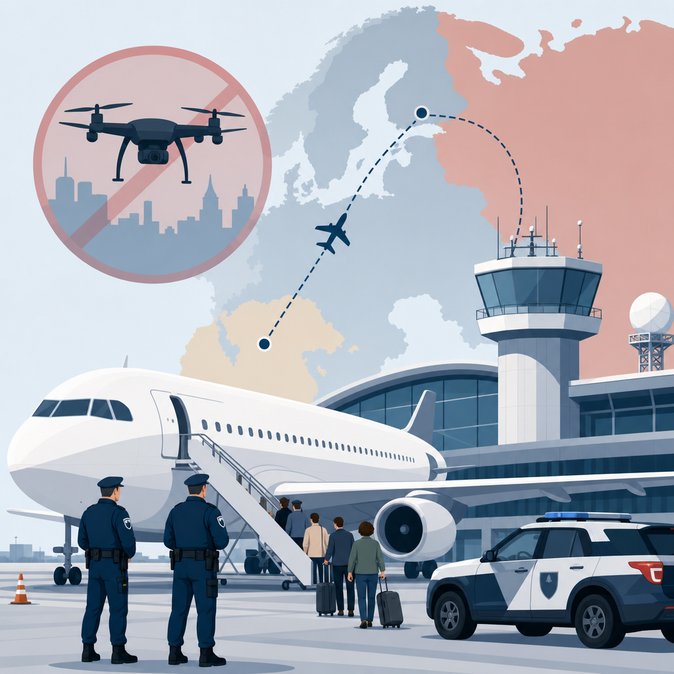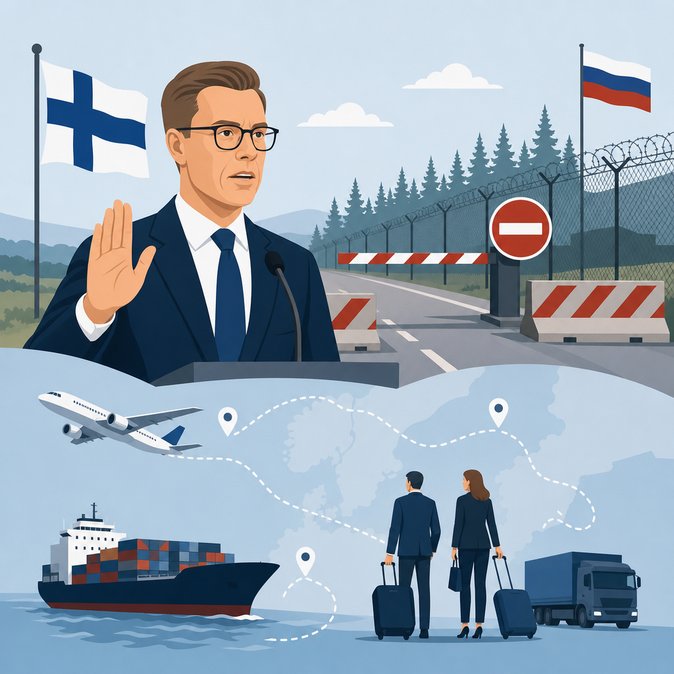
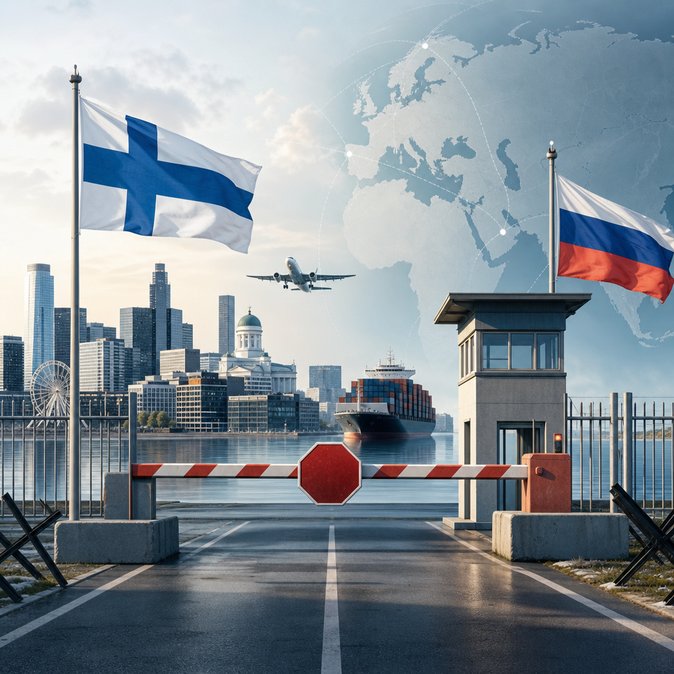
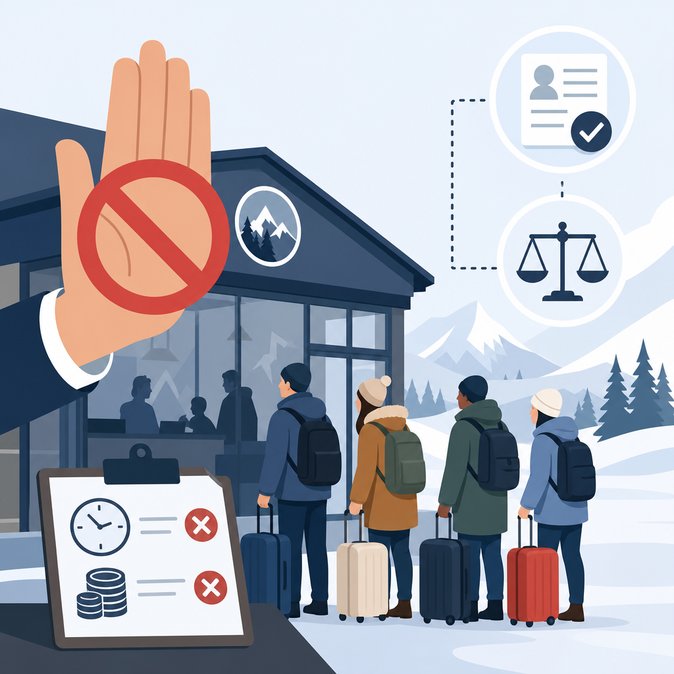
Finland’s new head of state, President Alexander Stubb, used a live call-in programme on Yle Radio Suomi on Sunday, 24 May 2026, to make his clearest statement yet on the future of the country’s 1 340-kilometre land border with Russia. Asked why all nine checkpoints remain shut—even though Estonia has kept three crossings operating—Stubb said Helsinki will lift the closure only when it receives an explicit assurance from “the highest political leadership of the Russian Federation” that migrants will no longer be funnelled toward Finland. The border has been closed in stages since late 2023, after thousands of third-country nationals—many without Schengen visas—appeared at remote Arctic posts. Finnish authorities say the influx was orchestrated by Moscow in retaliation for Finland’s NATO accession. Traffic volumes collapsed from roughly 30 000 crossings a day in 2019 to almost zero, costing border municipalities an estimated €160 million a year in lost retail, fuel and logistics revenue. Thousands of daily commuters from the Murmansk and Leningrad regions have also been forced to reroute via Norway or Estonia, adding up to 600 kilometres per round trip. Stubb’s hard line aligns with the Orpo-Purra government’s agenda of “systemic resilience” and mirrors the temporary internal-border-control provisions that several Schengen states—from Germany to Austria—have invoked since 2015. Business-travel managers told Global Mobility News that the continued closure complicates Nordic supply chains: Finnish factories that once sourced components overland from St. Petersburg now rely on sea freight through the congested Baltics, lengthening lead times by up to nine days. Multinationals are re-routing staff movements via Helsinki-Vantaa Airport, where airfares to Central Asia have risen 18 % year-on-year because Finnair and foreign carriers must avoid Russian airspace. From an immigration-compliance perspective, the president’s remarks signal that companies should not expect a quick restoration of visa-free coach services or rail links such as Allegro before 2027. Employers moving Russian talent to or from Finnish operations will have to continue using third-country transit routes and should budget extra time for Schengen short-stay visa processing in Tallinn or Vilnius.
![Finnish president: Border with Russia will not reopen without top-level security guarantees]()
For companies and individuals navigating these evolving requirements, VisaHQ can streamline the paperwork. Its Finland portal (https://www.visahq.com/finland/) compiles real-time entry restrictions, Schengen-visa checklists and processing times, helping travellers chart alternative routes and stay compliant while the land border remains closed.
Relocation providers also note a surge in family-reunification applications as long-term Russian residents in Finland choose to settle permanently rather than make uncertain cross-border visits. For border communities like Imatra and Nuijamaa, local chambers of commerce have urged Helsinki to introduce emergency tax breaks and digital-nomad incentives to offset the drop in retail footfall. The Interior Ministry said last week that it is “preparing structural support measures”, but Stubb reiterated on Sunday that security comes first: “Free movement is in Finland’s DNA, but we will not allow migration to be weaponised again.”
For companies and individuals navigating these evolving requirements, VisaHQ can streamline the paperwork. Its Finland portal (https://www.visahq.com/finland/) compiles real-time entry restrictions, Schengen-visa checklists and processing times, helping travellers chart alternative routes and stay compliant while the land border remains closed.
Relocation providers also note a surge in family-reunification applications as long-term Russian residents in Finland choose to settle permanently rather than make uncertain cross-border visits. For border communities like Imatra and Nuijamaa, local chambers of commerce have urged Helsinki to introduce emergency tax breaks and digital-nomad incentives to offset the drop in retail footfall. The Interior Ministry said last week that it is “preparing structural support measures”, but Stubb reiterated on Sunday that security comes first: “Free movement is in Finland’s DNA, but we will not allow migration to be weaponised again.”
More From Finland
View all
Wärtsilä signs 10-year lifecycle agreement to keep Finnish Border Guard vessels mission-ready
Union PAM imposes hiring ban on Lapland tour operator over repeated labour violations affecting seasonal foreign staff