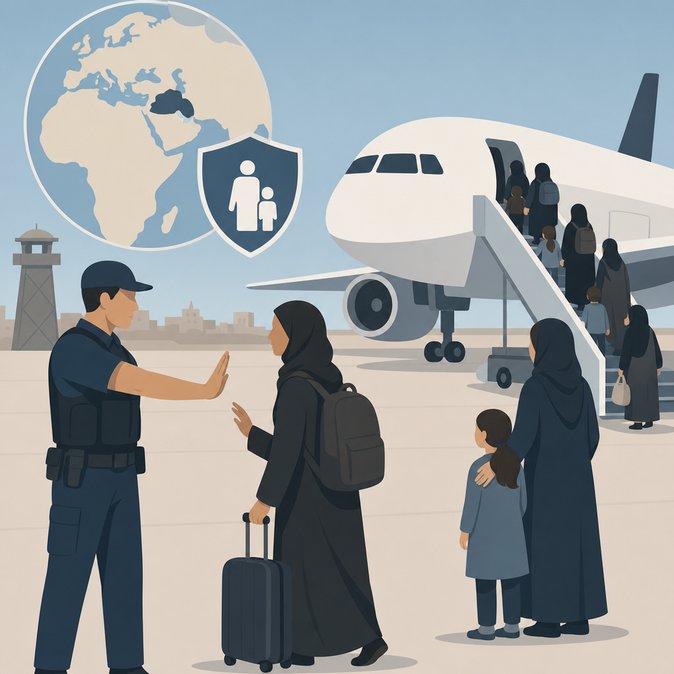
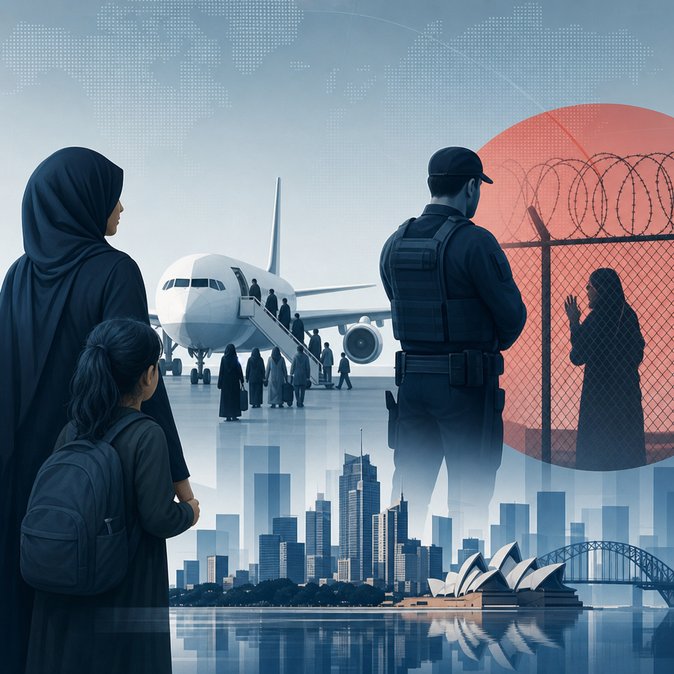
Nineteen Australian citizens—six women and 13 children—touched down in Sydney and Melbourne in the early hours of 27 May after spending years in Syria’s al-Roj displacement camp. The repatriation was the second extraction carried out by the Albanese government this month and follows months of complex negotiations with Kurdish authorities and extensive security vetting by Australian agencies. On arrival the women were served restoration orders under the Citizenship Act and immediately interviewed by federal and state police. They have been placed on strict monitoring regimes, including reporting requirements and electronic surveillance, while state child-protection agencies assess the welfare needs of the minors. According to Home Affairs officials who fronted Senate Estimates later in the day, one additional woman—subject to a Temporary Exclusion Order—attempted to board the flight but was prevented by Turkish authorities after Australian Border Operations Centre staff were alerted. The operation has reignited debate over national security versus citizens’ rights. Opposition figures argue the returns create an unnecessary risk, while security experts point out that managing the cohort onshore allows authorities far greater control than leaving them in lawless camps. Community organisations such as Save the Children say the children, most of whom are under ten, are victims who now have a chance at a normal life and access to education and healthcare.
![Second group of Australian women and children linked to Islamic State arrive home under tight security]()
Navigating such cross-border complexities doesn’t have to be overwhelming; VisaHQ’s Australia portal (https://www.visahq.com/australia/) equips businesses, families and aid groups with up-to-date visa intelligence, application support and early warnings on policy shifts, helping travellers stay compliant and avoid last-minute airport surprises.
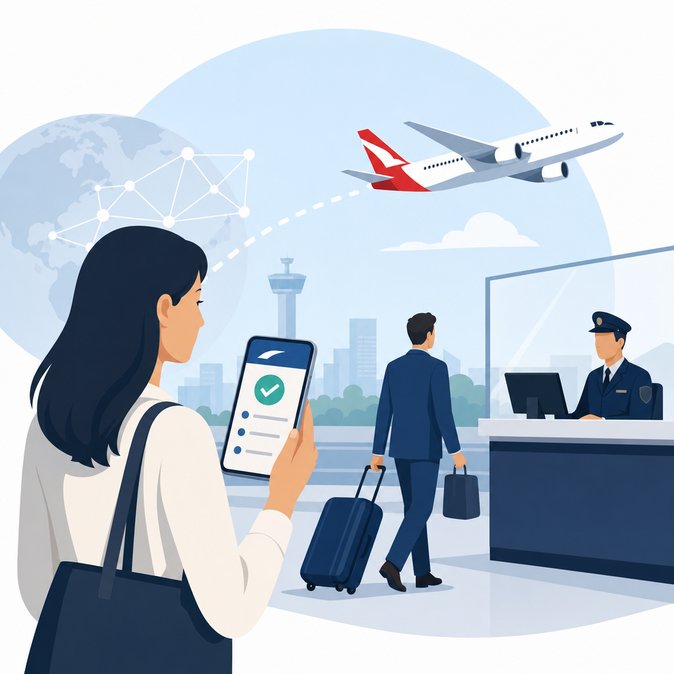
For global mobility managers, the case illustrates Australia’s readiness to deploy extraordinary border measures: Temporary Exclusion Orders, advance passenger screening and rapid-response reintegration teams. Multinationals moving staff in and out of Australia should note the government’s willingness to intervene at airline check-in counters and the courts’ ongoing support for broad executive discretion where security is cited. Companies may need to review duty-of-care protocols for employees travelling through conflict-adjacent regions or holding dual citizenships that could trigger security alerts.
Navigating such cross-border complexities doesn’t have to be overwhelming; VisaHQ’s Australia portal (https://www.visahq.com/australia/) equips businesses, families and aid groups with up-to-date visa intelligence, application support and early warnings on policy shifts, helping travellers stay compliant and avoid last-minute airport surprises.
For global mobility managers, the case illustrates Australia’s readiness to deploy extraordinary border measures: Temporary Exclusion Orders, advance passenger screening and rapid-response reintegration teams. Multinationals moving staff in and out of Australia should note the government’s willingness to intervene at airline check-in counters and the courts’ ongoing support for broad executive discretion where security is cited. Companies may need to review duty-of-care protocols for employees travelling through conflict-adjacent regions or holding dual citizenships that could trigger security alerts.