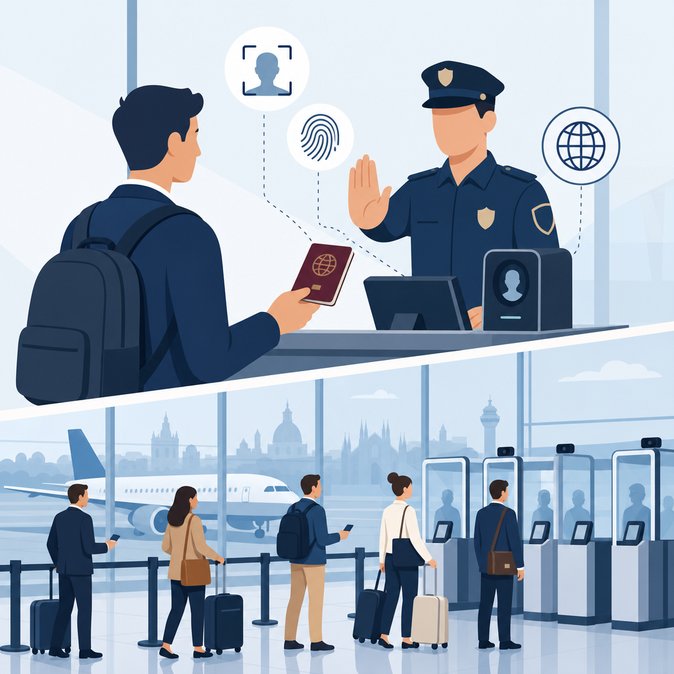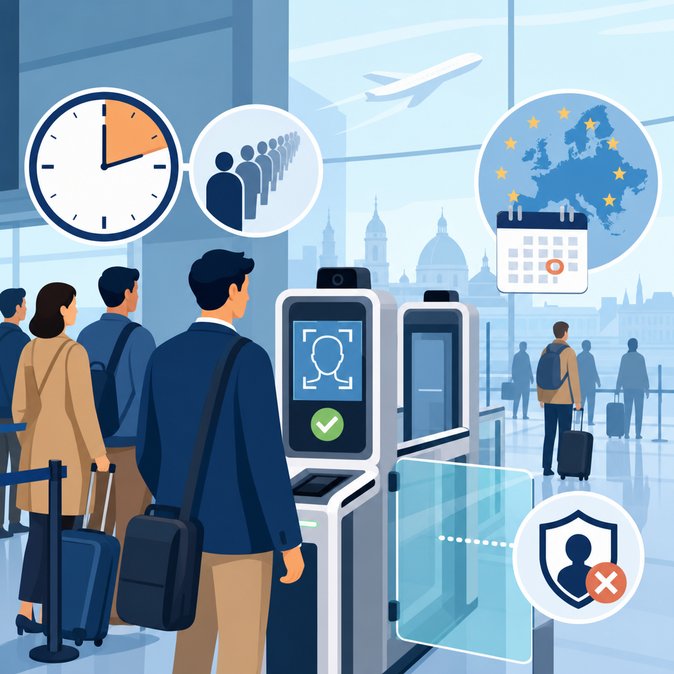
Travel publisher Atlas Guide confirmed on 21 May 2026 that the European Entry/Exit System is now fully operational across all 29 Schengen countries, Italy included. The biometric system—active since 10 April—records each non-EU traveller’s entry and exit, calculates remaining Schengen days and automatically flags overstays.
![Full EU Entry/Exit System Goes Live: What It Means for Travellers to and from Italy]()
For travellers seeking clarity and streamlined preparation, the visa-assistance platform VisaHQ offers real-time Schengen-day calculators, up-to-date guidance and courier processing specifically for Italy; visit https://www.visahq.com/italy/ to ensure paperwork is in order before confronting the new EES kiosks.
At Italian airports, early data show a 30- to 45-minute increase in average peak-hour processing times, though Rome Fiumicino and Milan Malpensa have installed extra kiosks to ease congestion. The national border-police union warns that staffing shortages remain acute at certain regional airports such as Bari and Verona, where only four manual booths are open during night-bank arrivals. EES replaces the familiar passport stamp with a digital calculation. Travellers who exceed their 90/180-day allowance now face instant, system-generated entry bans of up to five years that apply across the entire Schengen zone, not just in Italy. Airlines have responded by upgrading check-in software to verify EES enrolment and will deny boarding if the system shows an overstay or unreadable biometric record. Italian tour operators fear the longer border procedures could dampen last-minute city-break demand this summer, especially from the United Kingdom and United States. They are lobbying the government to expand the Registered Traveller fast-track scheme and to authorise remote biometric pre-registration similar to programmes trialled in the Netherlands. For corporate mobility managers, the advice is clear: build a one-hour buffer into itineraries involving non-EU staff, circulate EES briefings to frequent travellers and audit stay-records to avoid inadvertent overstays that could jeopardise future assignments in Italy or elsewhere in Europe.
For travellers seeking clarity and streamlined preparation, the visa-assistance platform VisaHQ offers real-time Schengen-day calculators, up-to-date guidance and courier processing specifically for Italy; visit https://www.visahq.com/italy/ to ensure paperwork is in order before confronting the new EES kiosks.
At Italian airports, early data show a 30- to 45-minute increase in average peak-hour processing times, though Rome Fiumicino and Milan Malpensa have installed extra kiosks to ease congestion. The national border-police union warns that staffing shortages remain acute at certain regional airports such as Bari and Verona, where only four manual booths are open during night-bank arrivals. EES replaces the familiar passport stamp with a digital calculation. Travellers who exceed their 90/180-day allowance now face instant, system-generated entry bans of up to five years that apply across the entire Schengen zone, not just in Italy. Airlines have responded by upgrading check-in software to verify EES enrolment and will deny boarding if the system shows an overstay or unreadable biometric record. Italian tour operators fear the longer border procedures could dampen last-minute city-break demand this summer, especially from the United Kingdom and United States. They are lobbying the government to expand the Registered Traveller fast-track scheme and to authorise remote biometric pre-registration similar to programmes trialled in the Netherlands. For corporate mobility managers, the advice is clear: build a one-hour buffer into itineraries involving non-EU staff, circulate EES briefings to frequent travellers and audit stay-records to avoid inadvertent overstays that could jeopardise future assignments in Italy or elsewhere in Europe.