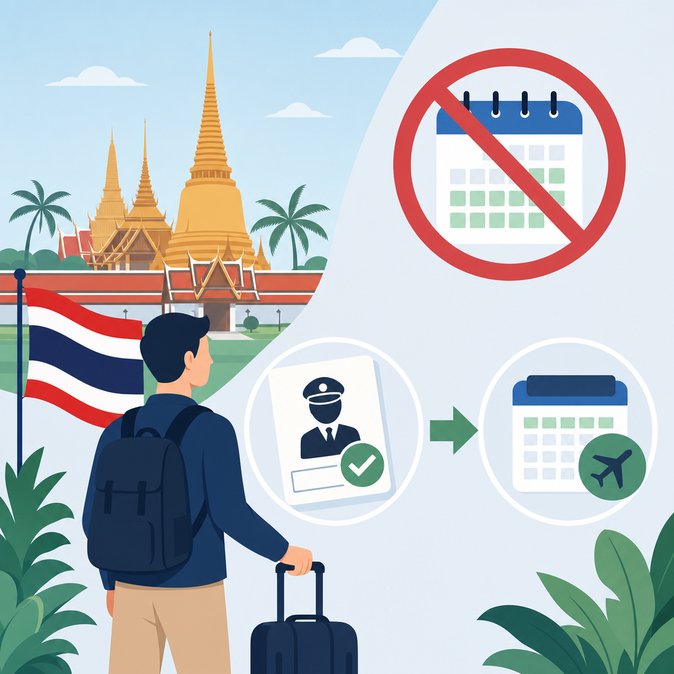
Thailand’s cabinet has formally ended the 60-day visa-exemption scheme (known locally as P.60) for passport holders from 93 nations—including Brazil—returning them to a standard 30-day visa-free stay. The measure, adopted on 20 May, will take effect once published in the Royal Gazette and communicated to airlines and border officers. The rollback is part of a broader effort by Bangkok to streamline overlapping entry categories and tighten monitoring of long-stay visitors who may be working illegally.
![Thailand Cuts Visa-Free Stay to 30 Days for Brazilians as 60-Day Waiver Scrapped for 93 Countries]()
Brazilian visitors who need assistance navigating the new requirements can turn to VisaHQ, whose Brazil portal (https://www.visahq.com/brazil/) handles Thai visa applications, extensions and document reviews entirely online, saving time and reducing the risk of errors before departure.
Under the new rules, Brazilians arriving for tourism will receive a 30-day stamp on arrival, identical to the policy in effect before the COVID-era stimulus that temporarily doubled the allowance to reignite travel demand. Travellers needing longer stays—for business set-ups, filming, remote work or medical treatment—will have to apply for the appropriate visa or seek an extension from Thai immigration once in the country. For Brazilian corporates, the change removes a convenient buffer that had allowed executives to string together back-to-back meetings, site visits and leisure time over two months without extra paperwork. Mobility teams should audit upcoming trips scheduled for June onward: arriving after the Gazette publication means itineraries exceeding 30 days will require advance visas or mid-trip extensions in Thailand. Airlines will be expected to enforce the shorter stay at check-in, and overstays incur daily fines of THB 500 (about US$14), capped at THB 20,000. Thai tourism officials insist the tighter window will not dent arrivals because most visitors stay fewer than 14 days. Yet for Brazil’s small but growing medical-tourism and digital-nomad segments, the decision adds cost and administrative friction. Travel-risk advisers recommend updating traveller-communication templates and reminding employees that passport validity of six months and proof of onward travel remain mandatory.
Brazilian visitors who need assistance navigating the new requirements can turn to VisaHQ, whose Brazil portal (https://www.visahq.com/brazil/) handles Thai visa applications, extensions and document reviews entirely online, saving time and reducing the risk of errors before departure.
Under the new rules, Brazilians arriving for tourism will receive a 30-day stamp on arrival, identical to the policy in effect before the COVID-era stimulus that temporarily doubled the allowance to reignite travel demand. Travellers needing longer stays—for business set-ups, filming, remote work or medical treatment—will have to apply for the appropriate visa or seek an extension from Thai immigration once in the country. For Brazilian corporates, the change removes a convenient buffer that had allowed executives to string together back-to-back meetings, site visits and leisure time over two months without extra paperwork. Mobility teams should audit upcoming trips scheduled for June onward: arriving after the Gazette publication means itineraries exceeding 30 days will require advance visas or mid-trip extensions in Thailand. Airlines will be expected to enforce the shorter stay at check-in, and overstays incur daily fines of THB 500 (about US$14), capped at THB 20,000. Thai tourism officials insist the tighter window will not dent arrivals because most visitors stay fewer than 14 days. Yet for Brazil’s small but growing medical-tourism and digital-nomad segments, the decision adds cost and administrative friction. Travel-risk advisers recommend updating traveller-communication templates and reminding employees that passport validity of six months and proof of onward travel remain mandatory.
More From Brazil
View all
Wave of Cancellations Paralyzes Brazil’s Major Airports, Disrupting Domestic and International Connections
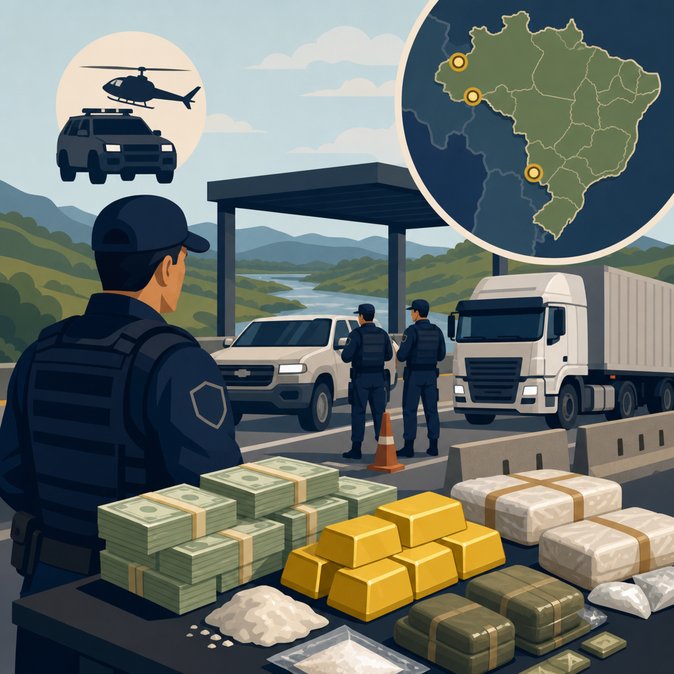
‘Operação Fronteira’ Intensifies Land-Border Checks, Seizing Cash, Gold and Eight Tonnes of Drugs