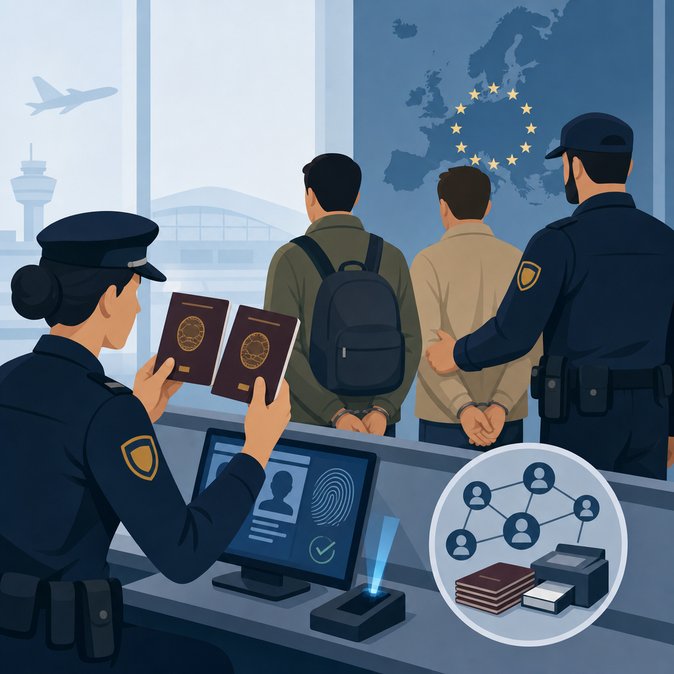
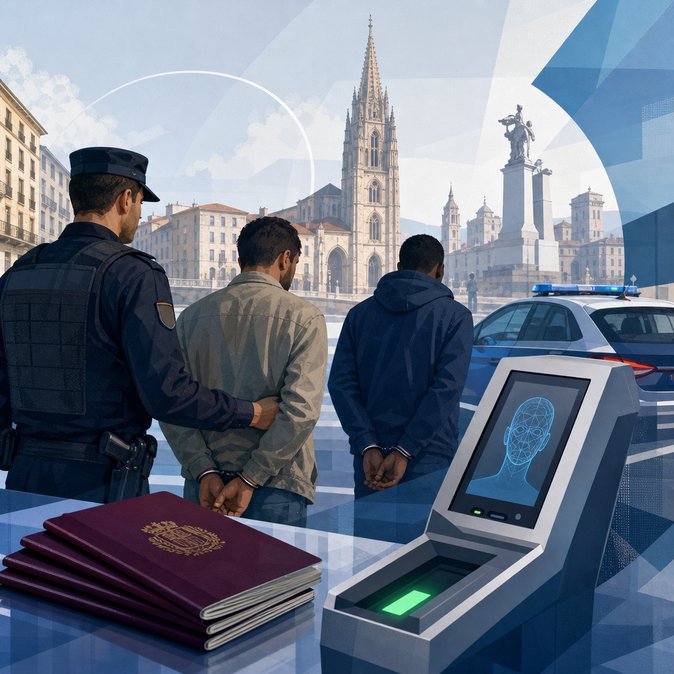
National Police in Oviedo arrested two individuals on 18 May accused of entering Spain with counterfeit Colombian passports in an attempt to circumvent Schengen visa requirements. The suspects were intercepted at an inter-city bus station after officers noticed irregular laminates on their travel documents. Forensic examination confirmed that biometric data pages had been substituted. Investigators believe the pair belong to a larger network that supplies Latin-American nationals with doctored passports for €4,000–€6,000, promising hassle-free entry to Spain and onwards within the Schengen Area. Police seized multiple blank visa stickers, a laptop containing template files and €9,300 in cash during subsequent house searches.
![Spanish Police Arrest Duo Using Forged Colombian Passports to Evade Schengen Visa Rules]()
In this context, VisaHQ can be an invaluable ally for both individual travelers and corporate mobility teams. Their Spain portal (https://www.visahq.com/spain/) walks applicants through each step of the Schengen visa process, offers document-pre-check services and arranges secure courier delivery, ensuring that all paperwork meets consular standards and reducing the temptation to rely on risky counterfeit solutions.
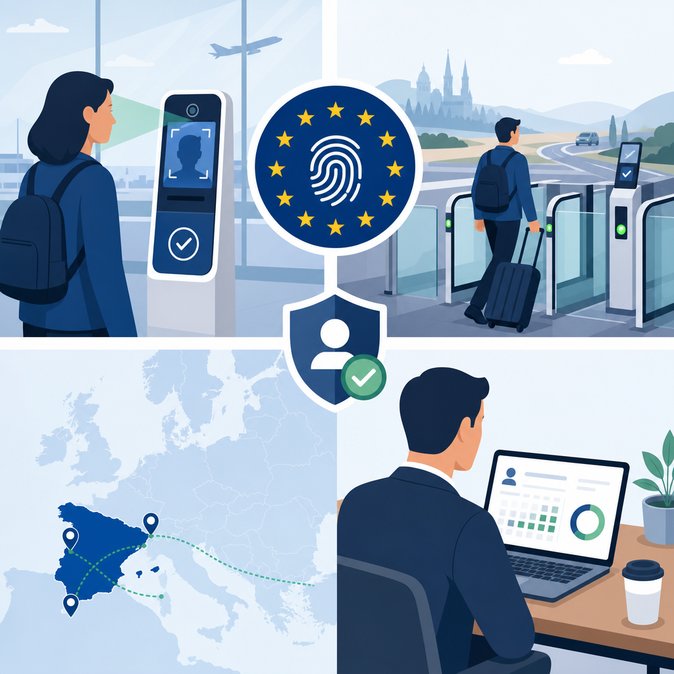
The incident comes as Spain tightens document screening under the new Entry/Exit System, which automatically flags passports whose chip data do not match optical readings. Authorities say failures to authenticate biometric chips triggered the secondary inspection that led to Monday’s arrests. For employers, the case is a reminder that forged documents are becoming increasingly sophisticated. HR teams sponsoring work or residence permits should verify the authenticity of employees’ passports and civil documents through certified translation and apostille services. Mobility managers should also brief assignees on the severe penalties—up to eight years in prison—attached to document fraud under Spain’s immigration law. Police have notified Interpol and the Colombian consulate. Further arrests are expected as digital forensics trace e-mail orders and payment records tied to the passport ring.
In this context, VisaHQ can be an invaluable ally for both individual travelers and corporate mobility teams. Their Spain portal (https://www.visahq.com/spain/) walks applicants through each step of the Schengen visa process, offers document-pre-check services and arranges secure courier delivery, ensuring that all paperwork meets consular standards and reducing the temptation to rely on risky counterfeit solutions.
The incident comes as Spain tightens document screening under the new Entry/Exit System, which automatically flags passports whose chip data do not match optical readings. Authorities say failures to authenticate biometric chips triggered the secondary inspection that led to Monday’s arrests. For employers, the case is a reminder that forged documents are becoming increasingly sophisticated. HR teams sponsoring work or residence permits should verify the authenticity of employees’ passports and civil documents through certified translation and apostille services. Mobility managers should also brief assignees on the severe penalties—up to eight years in prison—attached to document fraud under Spain’s immigration law. Police have notified Interpol and the Colombian consulate. Further arrests are expected as digital forensics trace e-mail orders and payment records tied to the passport ring.