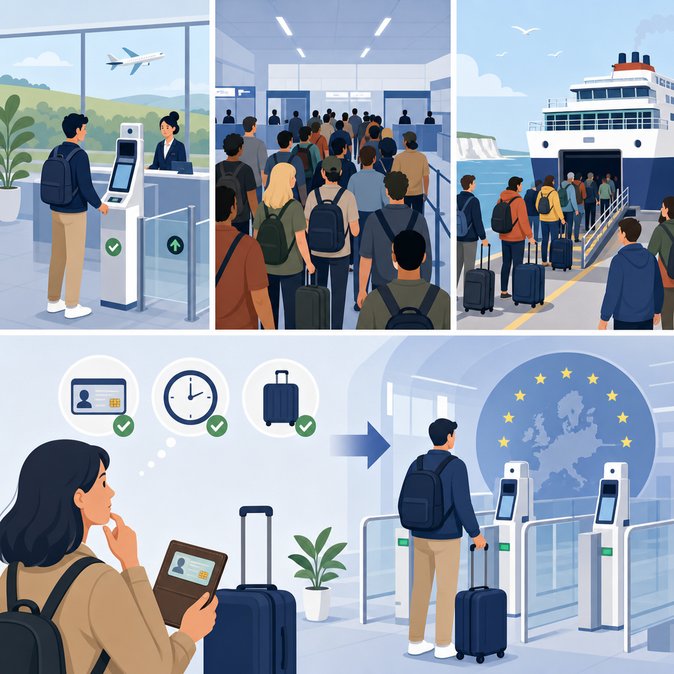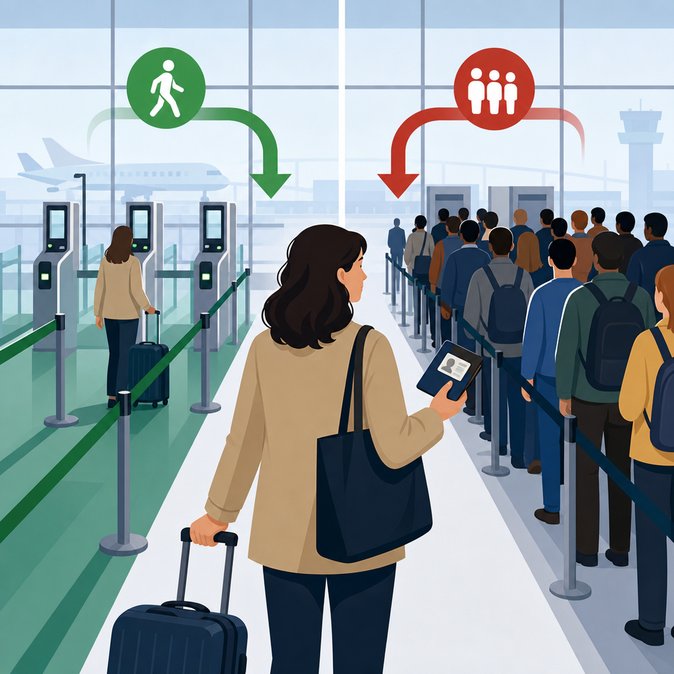
Consumer-rights magazine *Which?* published a detailed explainer on 15 May that spells out how the EU’s biometric Entry/Exit System will change travel to France and other Schengen states. The guide – essential reading for corporate travel planners – confirms that EES is operational but that member states may *pause* the checks for up to 90 days to avoid peak-season chaos. Greece has already done so, and industry sources say French authorities are considering targeted suspensions at Paris-Gare-du-Nord (Eurostar) and Channel ferry ports if queues exceed 60 minutes.
![What UK and other non-EU travellers need to know about France’s new EES checks this summer]()
For travellers and mobility managers looking for hands-on assistance, VisaHQ’s France portal (https://www.visahq.com/france/) offers up-to-date guidance on Schengen entry rules, including the upcoming EES and ETIAS requirements. The platform can help users verify documentation, track visa or authorisation status, and set reminder alerts—making it a useful one-stop hub while governments continue to fine-tune the new systems.
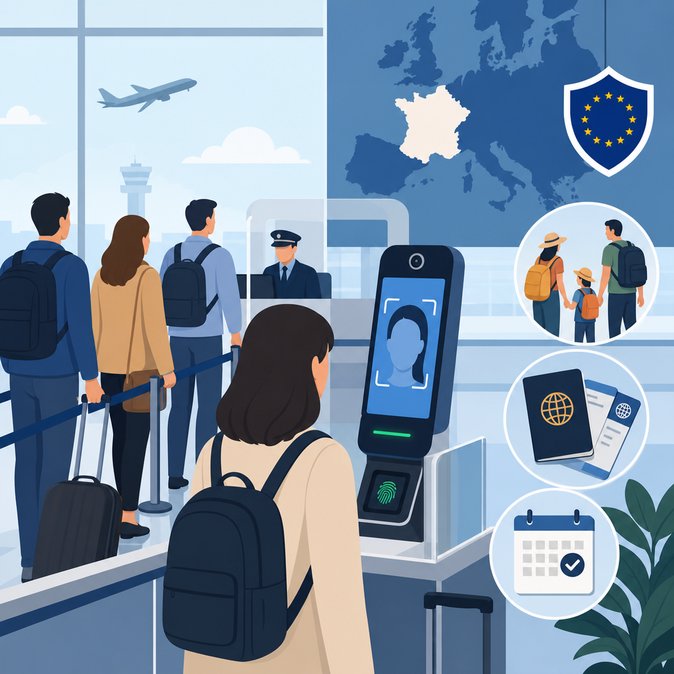
The article walks travellers through the new process: fingerprints and a facial scan at a kiosk or by an officer, followed by questions about length of stay and means of support. While there is **no pre-registration** for EES, *Which?* highlights a pilot ‘Travel to Europe’ mobile app that some airports (Lisbon, Stockholm Arlanda) are testing; French hubs are expected to adopt it in 2027. For mobility programmes, the main take-aways are practical. Employees on short business trips should arrive at airports three hours before departure until further notice and budget extra time when booking car-hire pick-ups or rail connections. Companies should also remind staff of the 90/180-day limit, as EES will automatically flag overstays that previously went unnoticed. Looking further ahead, the piece reiterates that ETIAS – the €20 electronic travel authorisation – has slipped to **late 2026** and will not become mandatory until 2027, giving HR teams breathing room to update policy documents and travel-booking workflows. By demystifying both systems, the *Which?* guide provides a clear checklist that global mobility teams can re-use in pre-trip briefings and employee newsletters.
For travellers and mobility managers looking for hands-on assistance, VisaHQ’s France portal (https://www.visahq.com/france/) offers up-to-date guidance on Schengen entry rules, including the upcoming EES and ETIAS requirements. The platform can help users verify documentation, track visa or authorisation status, and set reminder alerts—making it a useful one-stop hub while governments continue to fine-tune the new systems.
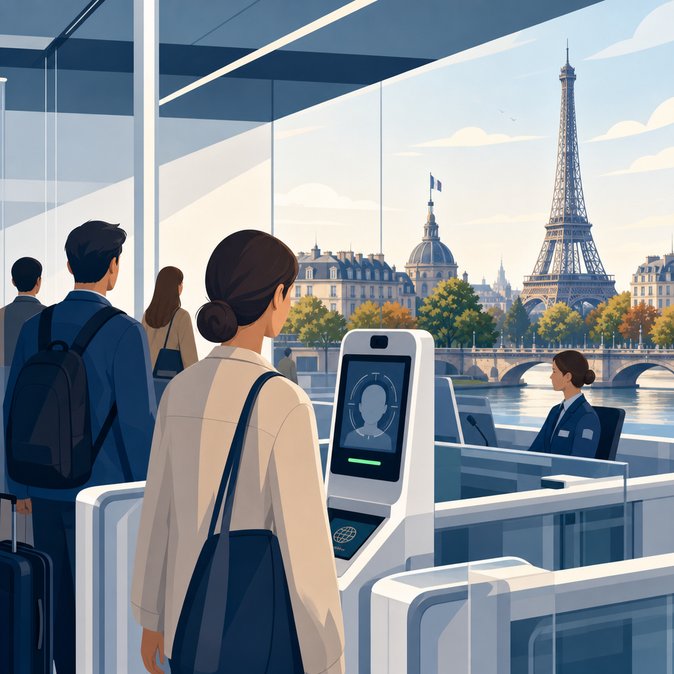
The article walks travellers through the new process: fingerprints and a facial scan at a kiosk or by an officer, followed by questions about length of stay and means of support. While there is **no pre-registration** for EES, *Which?* highlights a pilot ‘Travel to Europe’ mobile app that some airports (Lisbon, Stockholm Arlanda) are testing; French hubs are expected to adopt it in 2027. For mobility programmes, the main take-aways are practical. Employees on short business trips should arrive at airports three hours before departure until further notice and budget extra time when booking car-hire pick-ups or rail connections. Companies should also remind staff of the 90/180-day limit, as EES will automatically flag overstays that previously went unnoticed. Looking further ahead, the piece reiterates that ETIAS – the €20 electronic travel authorisation – has slipped to **late 2026** and will not become mandatory until 2027, giving HR teams breathing room to update policy documents and travel-booking workflows. By demystifying both systems, the *Which?* guide provides a clear checklist that global mobility teams can re-use in pre-trip briefings and employee newsletters.