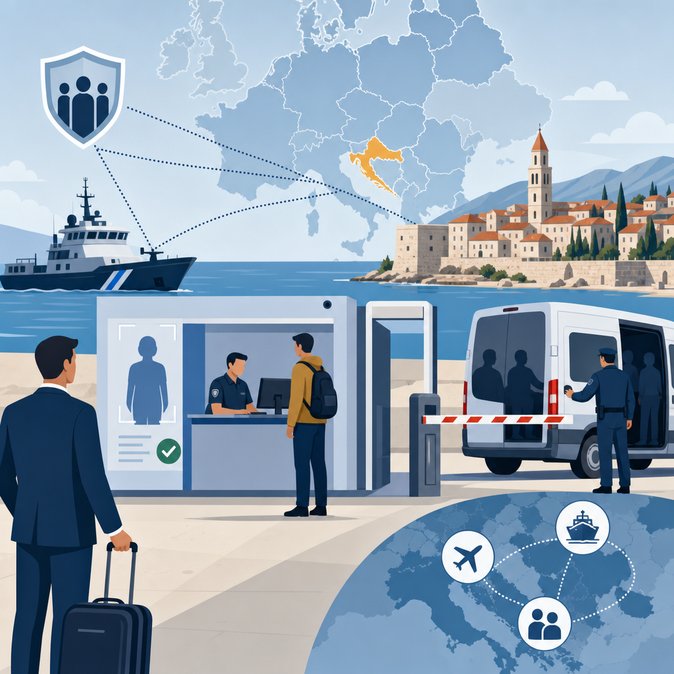
On 15 May 2026 the Brussels Times reported that interior ministers from nine Mediterranean EU states (the “MED-9”) will gather in Rovinj, Croatia, on 18 May to hammer out a common line on irregular migration, external-border management and drug trafficking. While Belgium is not a MED-9 member, its companies deploy large expatriate workforces to France, Spain, Italy and Portugal—countries whose visa and border policies often set the tone for the rest of Schengen. Agenda papers show ministers will discuss faster implementation of the EU Migration & Asylum Pact’s “Solidarity Pool,” under which non-front-line states contribute personnel, funding or relocations. They will also weigh proposals for a new “Common European System for Returns,” including an expanded Frontex mandate to coordinate charter flights and digital case-management. For Belgian mobility managers this matters: tighter return enforcement at Mediterranean entry points can ripple northward, affecting transferees transiting via Spain or Italy and increasing document checks on intra-Schengen flights into Brussels.
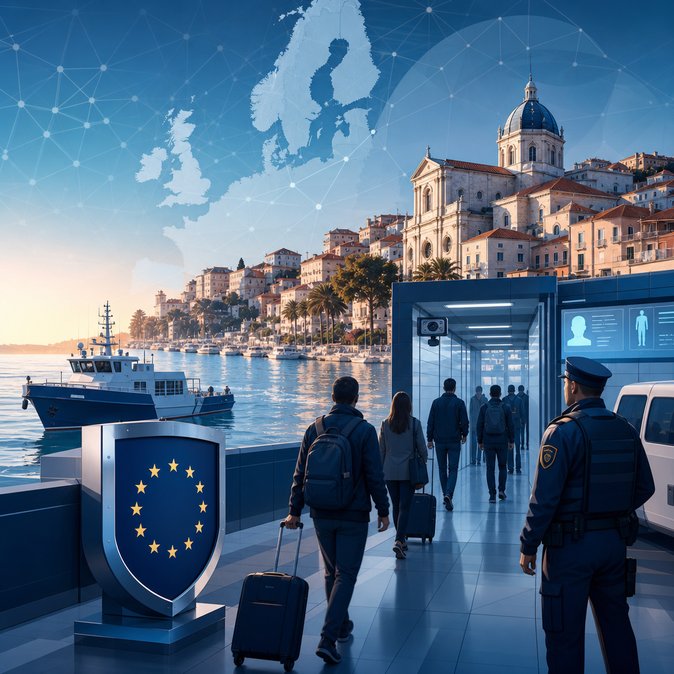
![MED-9 Interior Ministers Set to Debate Returns and Frontex Ahead of Summer Surge]()
To stay ahead of such fast-moving developments, employers and assignees can tap VisaHQ’s Belgium portal (https://www.visahq.com/belgium/), which consolidates live visa updates for France, Spain, Italy, Portugal and the wider Schengen area, offers step-by-step application support, and sends instant alerts when ministries tweak carrier-liability or entry-document rules—saving mobility teams hours of manual monitoring.
The meeting comes just days after the Council of Europe’s Chișinău Declaration called for more effective deportations. Policy analysts expect MED-9 ministers to translate that political signal into an operational roadmap, possibly including joint screening centres in North Africa. Any such move would oblige Belgian multinationals with regional hubs in Casablanca or Tunis to revisit posting-rules and work-permit strategies. Belgium’s Home Affairs ministry is sending an observer team to Rovinj and has flagged three corporate-relevant issues: (1) how returns data will interface with the Entry/Exit System, (2) whether business travellers could face carrier-sanctions if documentation is faulty, and (3) potential new security levies embedded in airline tickets to fund Frontex operations. The ministry promises industry consultation once conclusions are published, likely in early June. Until then, global mobility teams should watch for last-minute rule changes on carrier-responsibility, ensure posted-worker notifications are up to date, and brief travellers transiting Mediterranean hubs on possible ID spot-checks—even on Schengen-internal legs—to avoid fines or denied boarding.
To stay ahead of such fast-moving developments, employers and assignees can tap VisaHQ’s Belgium portal (https://www.visahq.com/belgium/), which consolidates live visa updates for France, Spain, Italy, Portugal and the wider Schengen area, offers step-by-step application support, and sends instant alerts when ministries tweak carrier-liability or entry-document rules—saving mobility teams hours of manual monitoring.
The meeting comes just days after the Council of Europe’s Chișinău Declaration called for more effective deportations. Policy analysts expect MED-9 ministers to translate that political signal into an operational roadmap, possibly including joint screening centres in North Africa. Any such move would oblige Belgian multinationals with regional hubs in Casablanca or Tunis to revisit posting-rules and work-permit strategies. Belgium’s Home Affairs ministry is sending an observer team to Rovinj and has flagged three corporate-relevant issues: (1) how returns data will interface with the Entry/Exit System, (2) whether business travellers could face carrier-sanctions if documentation is faulty, and (3) potential new security levies embedded in airline tickets to fund Frontex operations. The ministry promises industry consultation once conclusions are published, likely in early June. Until then, global mobility teams should watch for last-minute rule changes on carrier-responsibility, ensure posted-worker notifications are up to date, and brief travellers transiting Mediterranean hubs on possible ID spot-checks—even on Schengen-internal legs—to avoid fines or denied boarding.