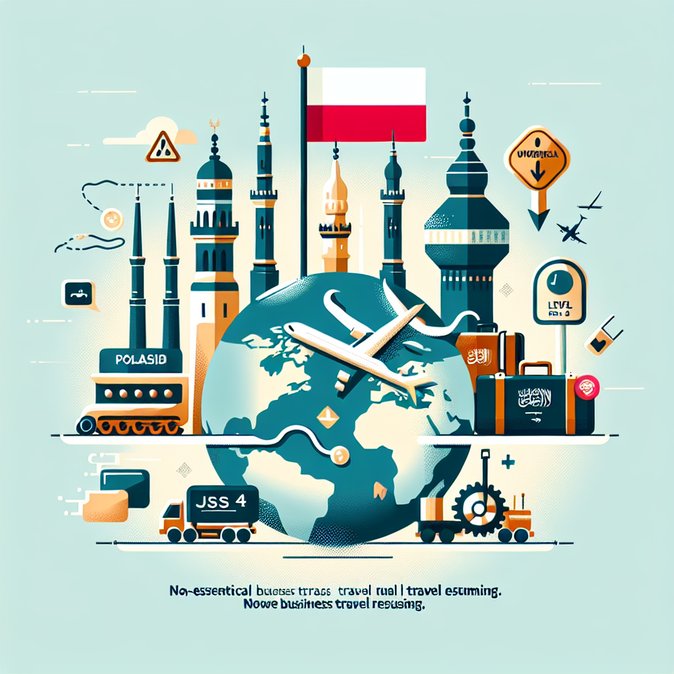
Poland’s Ministry of Foreign Affairs (MSZ) has slightly relaxed its travel advisories for Saudi Arabia and Oman, downgrading both nations from alert level 4 to level 3. The change, published on 11 May 2026, reflects a marginal improvement in local security conditions following weeks of heightened tensions linked to the Gulf conflict. Under level 3, the MSZ continues to recommend that Poles refrain from leisure travel but recognises that business-critical visits, pilgrimages or family emergencies may proceed with enhanced precautions.
![Warsaw lowers risk level for Saudi Arabia and Oman but still discourages tourism]()
Polish travellers who do choose to go can streamline the visa and documentation process through VisaHQ, which keeps abreast of the constantly changing Gulf entry rules and files applications directly with the relevant embassies. The service’s Polish portal (https://www.visahq.com/poland/) also pushes real-time alerts about reopening tourist channels, helping users adapt itineraries without falling foul of MSZ guidance.
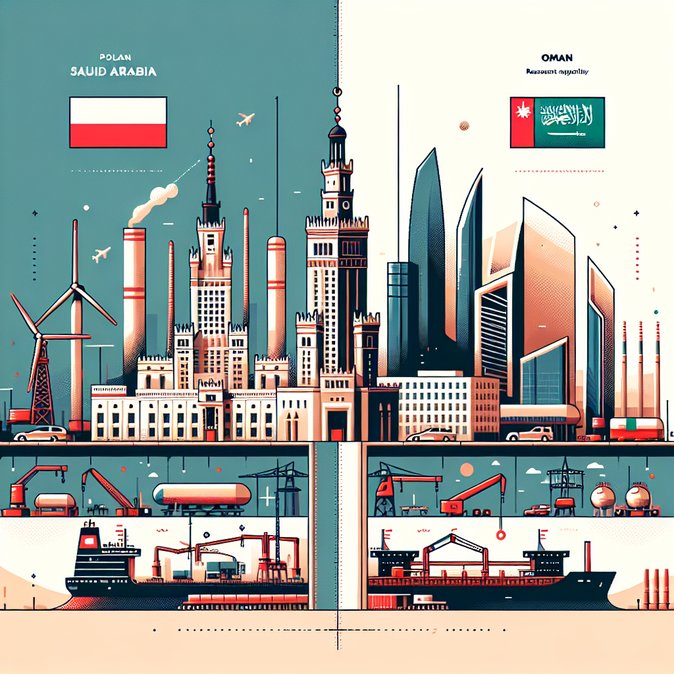
The ministry emphasised that flights to both Riyadh and Muscat still cross Persian Gulf airspace, where sporadic drone incursions and GPS jamming have been reported. Polish insurers have responded by trimming war-risk premiums for short-term trips, although comprehensive cover remains mandatory. Employers sending staff to energy projects in Dhahran or port audits in Sohar should verify back-up routing plans via Doha or Cairo should airspace restrictions tighten again. Travel-security firms advise carrying hard-copy contingency plans because mobile connectivity can degrade during cyber incidents. Polish tour operators welcomed the symbolic easing but noted that visa processing for tourist groups remains suspended by most Gulf embassies pending further stability. As a result, outbound traffic is expected to remain dominated by contract workers rather than holiday-makers.
Polish travellers who do choose to go can streamline the visa and documentation process through VisaHQ, which keeps abreast of the constantly changing Gulf entry rules and files applications directly with the relevant embassies. The service’s Polish portal (https://www.visahq.com/poland/) also pushes real-time alerts about reopening tourist channels, helping users adapt itineraries without falling foul of MSZ guidance.
The ministry emphasised that flights to both Riyadh and Muscat still cross Persian Gulf airspace, where sporadic drone incursions and GPS jamming have been reported. Polish insurers have responded by trimming war-risk premiums for short-term trips, although comprehensive cover remains mandatory. Employers sending staff to energy projects in Dhahran or port audits in Sohar should verify back-up routing plans via Doha or Cairo should airspace restrictions tighten again. Travel-security firms advise carrying hard-copy contingency plans because mobile connectivity can degrade during cyber incidents. Polish tour operators welcomed the symbolic easing but noted that visa processing for tourist groups remains suspended by most Gulf embassies pending further stability. As a result, outbound traffic is expected to remain dominated by contract workers rather than holiday-makers.