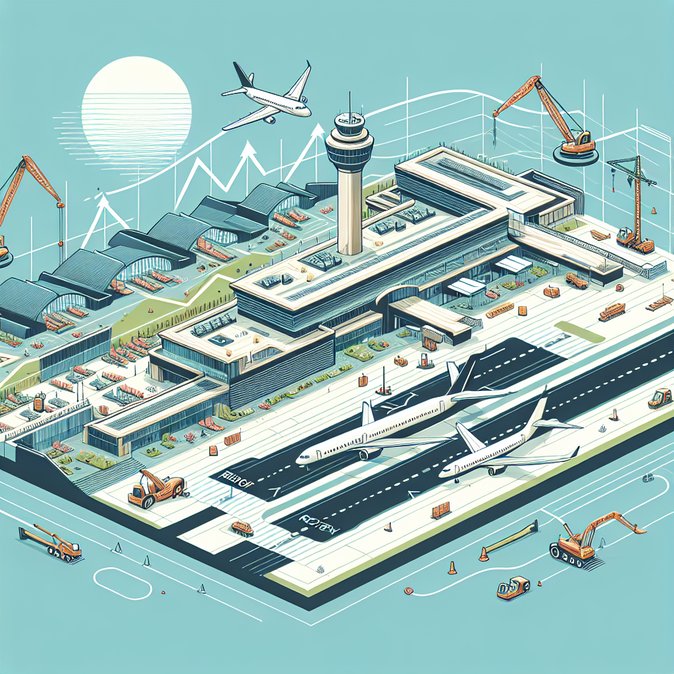
Toronto Pearson International Airport has officially launched Pearson LIFT (Long-term Investment in Facilities and Terminals), a decade-long infrastructure program that begins with a CA$3-billion first phase. At a ceremonial groundbreaking on May 11, federal ministers, Ontario officials and airport CEO Deborah Flint outlined how the project will modernise 2.2 million m² of airfield, add a high-speed parallel taxiway, replace 30 km of baggage belts and install 20,000 smart LED lights. The Greater Toronto Airports Authority (GTAA) says the initial works will unlock capacity for up to 28,000 more passengers per day and position Pearson to handle 65 million travellers annually by the early 2030s—about one-third more than today. The project also includes greener heating systems and expanded charging infrastructure for electric ground vehicles, supporting the airport’s net-zero 2050 target.
![Toronto Pearson breaks ground on CA$3-billion “Pearson LIFT” expansion]()
For international travellers eager to take advantage of Pearson’s growing capacity, ensuring entry paperwork is in order is crucial. VisaHQ’s intuitive portal (https://www.visahq.com/canada/) streamlines the Canadian visa process with real-time requirement checks, digital applications and status tracking, helping both leisure visitors and corporate road warriors arrive smoothly as the airport’s upgrades roll out.
For global mobility managers, the upgrade means better on-time performance, shorter taxi-times and more resilient baggage handling—critical factors for tight corporate itineraries and air-cargo reliability. Roughly 45 % of Canada-bound freight already moves through Pearson; GTAA forecasts the expansion will generate 16,000 new on-site jobs and support 160,000 positions nationwide. The overhaul comes as Ottawa evaluates new airport governance and potential private-sector investment models. While the federal review continues, Flint stresses that Pearson’s existing not-for-profit ownership has delivered eight ACI “Best Airport” awards in nine years and maintains the flexibility needed for mega-projects like LIFT. Travellers will start seeing phased improvements from 2027, with major runway and baggage upgrades completed before the FIFA World Cup and the 2030 target date for full program delivery. The next work packages—terminal modernisation and biometric passenger-flow technology—will be tendered later this year, offering suppliers and contractors fresh entry points into Canada’s largest aviation hub.
For international travellers eager to take advantage of Pearson’s growing capacity, ensuring entry paperwork is in order is crucial. VisaHQ’s intuitive portal (https://www.visahq.com/canada/) streamlines the Canadian visa process with real-time requirement checks, digital applications and status tracking, helping both leisure visitors and corporate road warriors arrive smoothly as the airport’s upgrades roll out.
For global mobility managers, the upgrade means better on-time performance, shorter taxi-times and more resilient baggage handling—critical factors for tight corporate itineraries and air-cargo reliability. Roughly 45 % of Canada-bound freight already moves through Pearson; GTAA forecasts the expansion will generate 16,000 new on-site jobs and support 160,000 positions nationwide. The overhaul comes as Ottawa evaluates new airport governance and potential private-sector investment models. While the federal review continues, Flint stresses that Pearson’s existing not-for-profit ownership has delivered eight ACI “Best Airport” awards in nine years and maintains the flexibility needed for mega-projects like LIFT. Travellers will start seeing phased improvements from 2027, with major runway and baggage upgrades completed before the FIFA World Cup and the 2030 target date for full program delivery. The next work packages—terminal modernisation and biometric passenger-flow technology—will be tendered later this year, offering suppliers and contractors fresh entry points into Canada’s largest aviation hub.