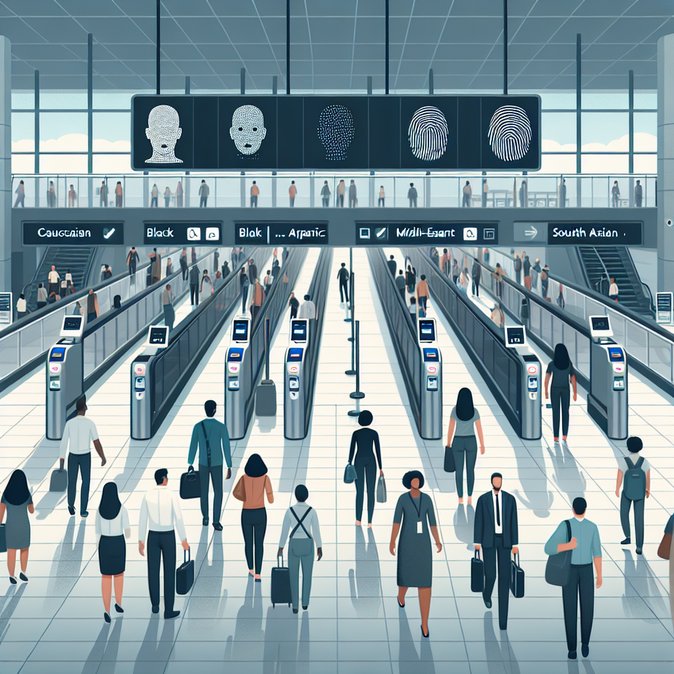
On 11 May the UAE Ministry of Economy and Tourism quietly updated its English-language “Entry Requirements” portal, signalling the country’s full migration to paperless immigration procedures. All visit, residence and status-change applications must now be filed through the federal Smart Services platform, the GDRFA-Dubai portal or authorised airline and hotel visa desks linked via application-programming interfaces (APIs). The move eliminates the last remaining manual forms and over-the-counter filings, accelerating a digital-transformation process that began in 2019. Every applicant is now issued a Unified Number (UID) on approval of an e-visa; the UID allows airlines to pre-clear passengers and retrieve biometric data captured at first entry. For expatriates already resident in the UAE, the same UID serves as a recovery key for Emirates ID renewals and change-of-status requests. Employers must adapt internal workflows.
![UAE completes switch to end-to-end digital visa processing]()
Companies and individual travellers who would prefer a turnkey solution can leverage VisaHQ’s UAE service desk. Through its online platform (https://www.visahq.com/united-arab-emirates/), VisaHQ submits applications via the Smart Services and GDRFA APIs, tracks UID assignment in real time and emails the QR-coded PDF to both traveller and airline, giving HR teams a plug-and-play alternative to building their own integration.
Hard-copy entry permits can no longer be couriered to travellers; instead, PDF e-visas containing encrypted QR codes are emailed to the applicant and airline. HR teams should review onboarding checklists, ensure that travel-booking platforms accept UID numbers, and brief security teams on the new digital entry documents. The change also intensifies the government’s ability to share immigration records across ministries. The Interior Ministry, ICP and civil-aviation databases now interface in real time, improving overstay detection but also enabling quicker automatic extensions—useful when project timelines shift unexpectedly. Erickson Immigration Group notes that while the new system streamlines processing for most applicants, users have reported occasional time-outs on the Smart Services portal during peak evening hours. Companies with large filing volumes are advised to stagger submissions or use API-integrated corporate service providers until capacity is expanded.

Companies and individual travellers who would prefer a turnkey solution can leverage VisaHQ’s UAE service desk. Through its online platform (https://www.visahq.com/united-arab-emirates/), VisaHQ submits applications via the Smart Services and GDRFA APIs, tracks UID assignment in real time and emails the QR-coded PDF to both traveller and airline, giving HR teams a plug-and-play alternative to building their own integration.
Hard-copy entry permits can no longer be couriered to travellers; instead, PDF e-visas containing encrypted QR codes are emailed to the applicant and airline. HR teams should review onboarding checklists, ensure that travel-booking platforms accept UID numbers, and brief security teams on the new digital entry documents. The change also intensifies the government’s ability to share immigration records across ministries. The Interior Ministry, ICP and civil-aviation databases now interface in real time, improving overstay detection but also enabling quicker automatic extensions—useful when project timelines shift unexpectedly. Erickson Immigration Group notes that while the new system streamlines processing for most applicants, users have reported occasional time-outs on the Smart Services portal during peak evening hours. Companies with large filing volumes are advised to stagger submissions or use API-integrated corporate service providers until capacity is expanded.