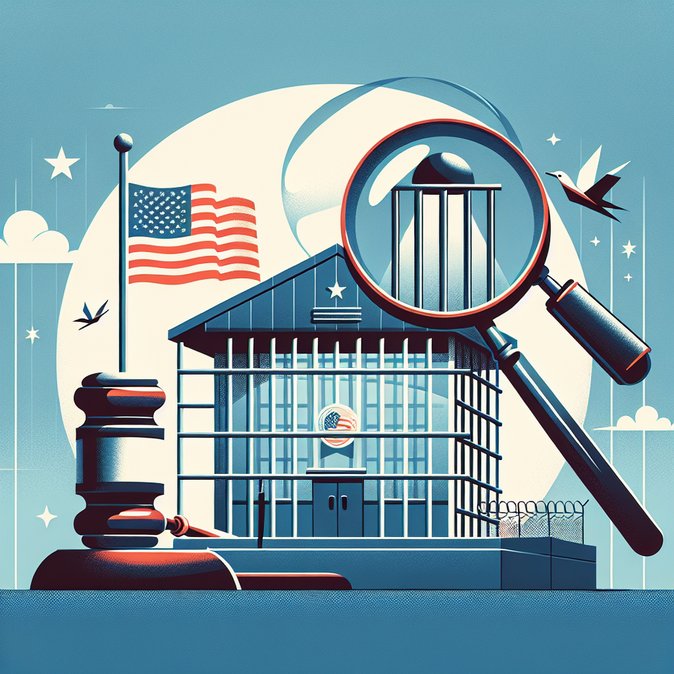
In a late-day order issued May 8 and updated May 9, a three-judge panel of the U.S. Court of Appeals for the D.C. Circuit declined to revive a Department of Homeland Security (DHS) policy that required members of Congress to give seven days’ advance notice before visiting Immigration and Customs Enforcement (ICE) detention facilities. DHS had argued that surprise inspections created security and logistical burdens for facility operators, many of which are run by private contractors such as GEO Group and CoreCivic.
![Appeals court blocks ICE rule limiting surprise congressional visits to detention centers]()
To stay ahead of the enforcement volatility highlighted by these surprise inspections, organizations and individual travelers can leverage VisaHQ’s services for real-time visa guidance, document processing, and compliance alerts. Whether you need to verify entry requirements, renew a visa, or secure expedited travel documents, VisaHQ’s online platform (https://www.visahq.com/united-states/) streamlines the process and helps reduce the risk of immigration delays that could lead to detention.
The appellate panel—Judges Cornelia Pillard, Robert Wilkins and Neomi Rao—was unpersuaded, noting that DHS had not demonstrated irreparable harm and that Congress retains broad authority to inspect federal detention sites. Judge Rao concurred separately, signaling that the government could still prevail on standing grounds later, but she agreed present evidence did not justify an emergency stay. For global-mobility managers, the decision matters because congressional oversight visits routinely generate the data—and public pressure—that drive improvements in detention conditions and processing times. Roughly 47,000 migrants were held in ICE custody on any given day in early 2026, including many business travelers and family members who overstayed visas or were denied entry at U.S. borders. Continued lawmaker access increases transparency on medical care, wait-time backlogs for immigration court hearings, and the use of solitary confinement—issues that routinely feed into corporate risk assessments and duty-of-care policies. The ruling also underscores an important political undercurrent: with federal immigration enforcement increasingly in the spotlight, corporate travel and global assignment teams need up-to-the-minute intelligence on detention trends. Surprise visits often reveal staffing shortages, policy deviations and facility-specific chokepoints long before formal DHS reports are released. Employers with at-risk foreign national employees—especially in industries targeted for work-site raids—should monitor congressional findings for early warning signs that could affect mobile workers. Next steps: ICE may continue litigating the merits, but unless a higher court intervenes, lawmakers can resume drop-in inspections immediately. Mobility programs should track subsequent reports from the House and Senate oversight committees, as they often trigger quick operational changes inside detention centers, from intake procedures to attorney-client access rules.

To stay ahead of the enforcement volatility highlighted by these surprise inspections, organizations and individual travelers can leverage VisaHQ’s services for real-time visa guidance, document processing, and compliance alerts. Whether you need to verify entry requirements, renew a visa, or secure expedited travel documents, VisaHQ’s online platform (https://www.visahq.com/united-states/) streamlines the process and helps reduce the risk of immigration delays that could lead to detention.
The appellate panel—Judges Cornelia Pillard, Robert Wilkins and Neomi Rao—was unpersuaded, noting that DHS had not demonstrated irreparable harm and that Congress retains broad authority to inspect federal detention sites. Judge Rao concurred separately, signaling that the government could still prevail on standing grounds later, but she agreed present evidence did not justify an emergency stay. For global-mobility managers, the decision matters because congressional oversight visits routinely generate the data—and public pressure—that drive improvements in detention conditions and processing times. Roughly 47,000 migrants were held in ICE custody on any given day in early 2026, including many business travelers and family members who overstayed visas or were denied entry at U.S. borders. Continued lawmaker access increases transparency on medical care, wait-time backlogs for immigration court hearings, and the use of solitary confinement—issues that routinely feed into corporate risk assessments and duty-of-care policies. The ruling also underscores an important political undercurrent: with federal immigration enforcement increasingly in the spotlight, corporate travel and global assignment teams need up-to-the-minute intelligence on detention trends. Surprise visits often reveal staffing shortages, policy deviations and facility-specific chokepoints long before formal DHS reports are released. Employers with at-risk foreign national employees—especially in industries targeted for work-site raids—should monitor congressional findings for early warning signs that could affect mobile workers. Next steps: ICE may continue litigating the merits, but unless a higher court intervenes, lawmakers can resume drop-in inspections immediately. Mobility programs should track subsequent reports from the House and Senate oversight committees, as they often trigger quick operational changes inside detention centers, from intake procedures to attorney-client access rules.