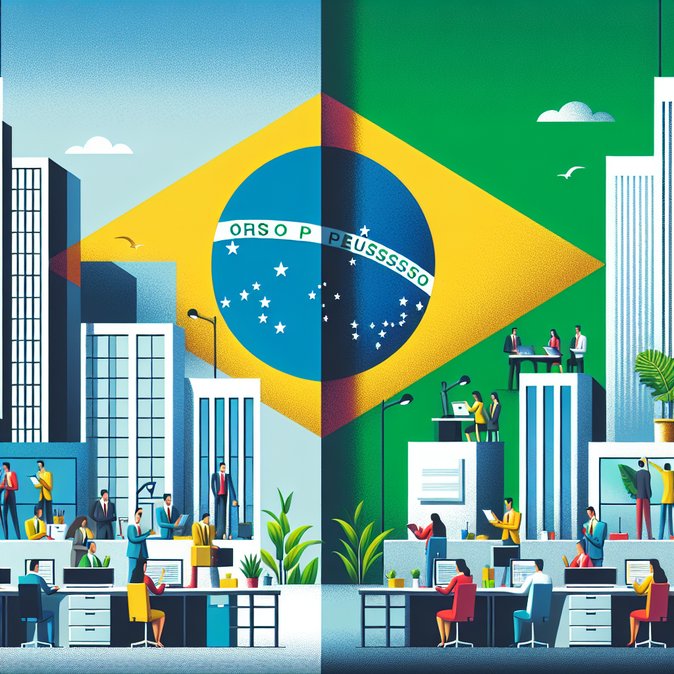
Fresh labour-ministry data show the Brazilian tourism sector generated 7 959 formal jobs in March 2026, a stark reversal from the 7 118 jobs lost in March 2025. Over the first quarter the industry added 11 570 positions, taking the total payroll to 2.4 million workers. Officials attribute the rebound to pent-up demand and high-profile events, including an April megaconcert by Shakira that spurred a reported 123 % spike in travel to Rio’s Copacabana.
![Tourism rebound creates 8 000 Brazilian jobs in March and record foreign-visitor spend]()
VisaHQ can help travellers and corporate mobility teams ride this momentum. Through its Brazil-focused portal (https://www.visahq.com/brazil/), the firm streamlines visa procurement with online documentation checks, real-time application tracking and alerts on rule changes—tools that cut lead times and minimise the risk of last-minute itinerary changes.
The Ministry of Tourism estimates the show injected R$ 800 million into the local economy. International arrivals are also up: 3.742 million foreigners entered Brazil between January and March, the best first-quarter figure on record. Their spending hit R$ 16 billion, a 12 % year-on-year rise, according to central-bank balance-of-payments data. For global-mobility managers the numbers suggest capacity constraints may re-emerge on key air routes, especially around big events, with knock-on effects on hotel rates and per-diem budgets. Companies relocating staff to Brazil can leverage the improved labour-market outlook but should watch regional disparities: accommodation and transport accounted for most of the new hires, indicating where service quality is likely to scale fastest. Policy-wise, the upbeat figures strengthen Brasília’s hand in lobbying Congress for tourism-friendly visa waivers and airport-modernisation funds ahead of the 2027 Women’s World Cup, which Brazil is bidding to host.

VisaHQ can help travellers and corporate mobility teams ride this momentum. Through its Brazil-focused portal (https://www.visahq.com/brazil/), the firm streamlines visa procurement with online documentation checks, real-time application tracking and alerts on rule changes—tools that cut lead times and minimise the risk of last-minute itinerary changes.
The Ministry of Tourism estimates the show injected R$ 800 million into the local economy. International arrivals are also up: 3.742 million foreigners entered Brazil between January and March, the best first-quarter figure on record. Their spending hit R$ 16 billion, a 12 % year-on-year rise, according to central-bank balance-of-payments data. For global-mobility managers the numbers suggest capacity constraints may re-emerge on key air routes, especially around big events, with knock-on effects on hotel rates and per-diem budgets. Companies relocating staff to Brazil can leverage the improved labour-market outlook but should watch regional disparities: accommodation and transport accounted for most of the new hires, indicating where service quality is likely to scale fastest. Policy-wise, the upbeat figures strengthen Brasília’s hand in lobbying Congress for tourism-friendly visa waivers and airport-modernisation funds ahead of the 2027 Women’s World Cup, which Brazil is bidding to host.