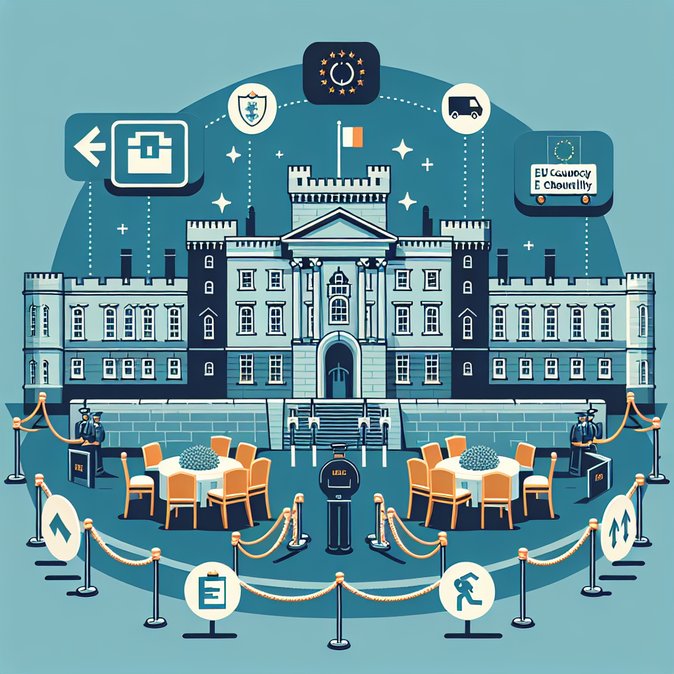
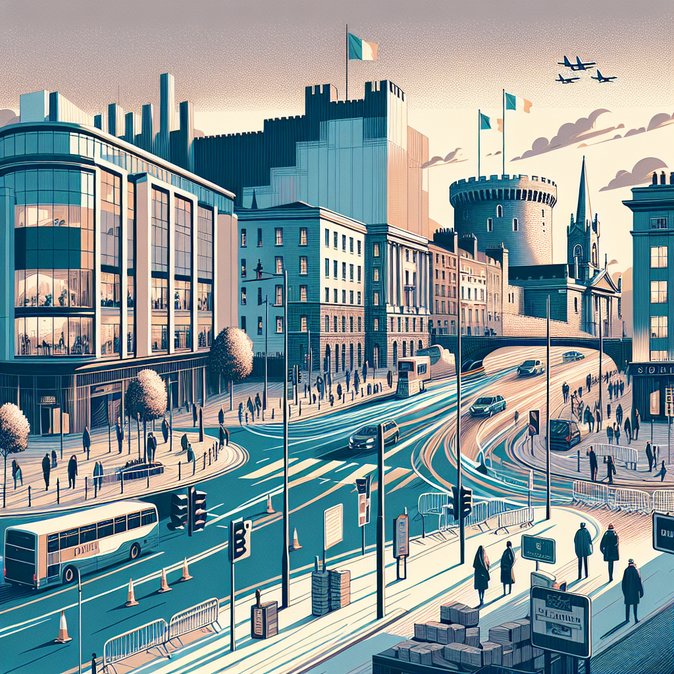
One of Ireland’s most recognisable landmarks, Dublin Castle, shut its doors to the public on 5 May 2026 and will remain closed until 31 December 2026 as the State prepares to take on the rotating Presidency of the Council of the European Union. The Office of Public Works confirmed the eight-month closure, citing the need to accommodate a packed calendar of ministerial meetings, summits and cultural events involving thousands of international delegates. The castle’s State Apartments, Chapel Royal and heritage exhibition spaces draw more than half a million visitors annually. Their loss during the peak summer season is expected to divert tourist flows to other city-centre sites such as Trinity College, Kilmainham Gaol and the Guinness Storehouse. Tour operators are already re-routing itineraries, while the Irish Hotels Federation predicts a rise in mid-week conference demand as EU meetings overlap with leisure travel.
![Dublin Castle closes to visitors until year-end to host EU Presidency events]()
Whether you’re an event organiser bringing in large delegations or an individual traveller hoping to combine business with sightseeing, VisaHQ can streamline the visa application process quickly online, flagging any documentation changes tied to Ireland’s EU Presidency. Check the latest requirements or start an application at https://www.visahq.com/ireland/ so you can focus on logistics instead of paperwork.
For mobility teams arranging executive travel, the closure has two practical effects. First, security cordons and rolling road closures around Dame Street will tighten at short notice whenever high-level meetings take place, adding complexity to airport transfers. Second, demand for centrally located accommodation is likely to spike on meeting dates published by the Department of Foreign Affairs, so early block bookings are advisable. The decision illustrates the broader impact that major diplomatic events can have on urban mobility infrastructure. During Ireland’s previous EU Presidency in 2013, the city saw a 12 % rise in conference arrivals but also recorded busier traffic corridors and higher average room rates. Officials say lessons learned then will inform a coordinated transport plan in 2026 that includes extended Luas tram services and temporary taxi ranks. While tourists may lament the loss of an iconic attraction, business stakeholders see upside in the form of increased international visibility and hospitality revenues. The coming months will test Dublin’s ability to balance enhanced security with the smooth circulation of both delegates and everyday travellers in the heart of the capital.
Whether you’re an event organiser bringing in large delegations or an individual traveller hoping to combine business with sightseeing, VisaHQ can streamline the visa application process quickly online, flagging any documentation changes tied to Ireland’s EU Presidency. Check the latest requirements or start an application at https://www.visahq.com/ireland/ so you can focus on logistics instead of paperwork.
For mobility teams arranging executive travel, the closure has two practical effects. First, security cordons and rolling road closures around Dame Street will tighten at short notice whenever high-level meetings take place, adding complexity to airport transfers. Second, demand for centrally located accommodation is likely to spike on meeting dates published by the Department of Foreign Affairs, so early block bookings are advisable. The decision illustrates the broader impact that major diplomatic events can have on urban mobility infrastructure. During Ireland’s previous EU Presidency in 2013, the city saw a 12 % rise in conference arrivals but also recorded busier traffic corridors and higher average room rates. Officials say lessons learned then will inform a coordinated transport plan in 2026 that includes extended Luas tram services and temporary taxi ranks. While tourists may lament the loss of an iconic attraction, business stakeholders see upside in the form of increased international visibility and hospitality revenues. The coming months will test Dublin’s ability to balance enhanced security with the smooth circulation of both delegates and everyday travellers in the heart of the capital.