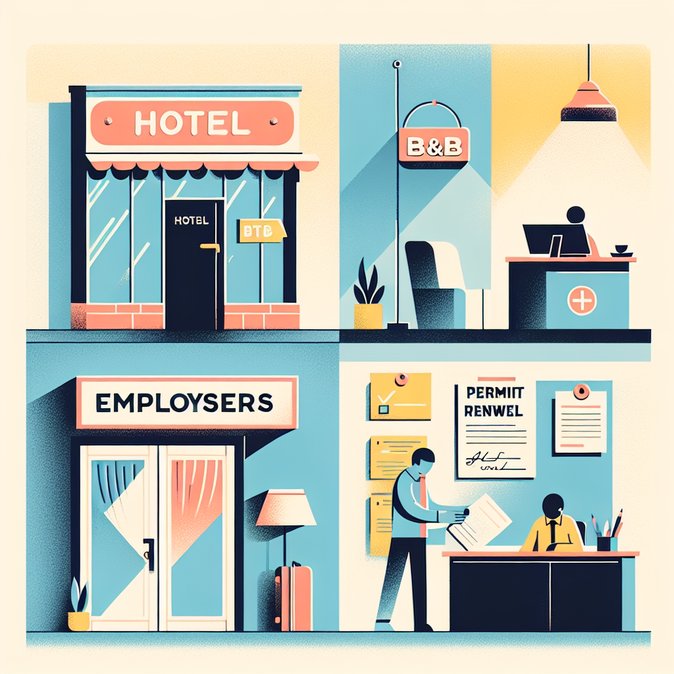
The Irish Government’s decision to wind down tourist and commercial accommodation for up to 16,000 Ukrainian refugees from August has triggered alarm among NGOs and mobility advisers. Refugee-support groups told The Irish Times on 30 April that many Ukrainians are now exploring formal asylum applications—an unintended consequence that could overwhelm an international-protection system already coping with record backlogs.
Since March 2022, beneficiaries of the EU’s Temporary Protection Directive have been able to live and work in Ireland without going through the slower asylum route. Cutting hotel accommodation—and phasing out the €600 monthly Accommodation Recognition Payment to hosts—removes a critical safety net.
![Plan to end State-funded hotel stays for 16,000 Ukrainians raises fresh immigration-system risks]()
Whether you are an individual Ukrainian professional or an Irish employer seeking to keep critical talent mobile, VisaHQ’s Dublin-based team can streamline the paperwork around visas, residence permits and travel documents. Their online platform (https://www.visahq.com/ireland/) offers up-to-date guidance on Irish and Schengen requirements and can coordinate courier pick-ups, application reviews and embassy appointments, giving HR departments and relocating employees one less headache in an already challenging housing market.
Brian Killoran of the Ukraine Civil Society Forum warned that even a 10 % shift of the 84,000 Ukrainians currently in Ireland into the asylum pipeline would place it under “catastrophic strain”. For employers, the change carries real-world mobility implications. Companies that recruited Ukrainian talent on the assumption of State-backed lodging may need to help staff secure private rentals in an already tight housing market or risk losing key skills. HR teams should review assignment budgets, consider rental-top-up allowances and liaise with relocation providers about short-term options outside traditional tourist hotspots.
The Department of Justice says the withdrawal will be phased and aligned with an EU recommendation on transitioning people out of temporary protection. Vulnerable refugees will still receive targeted assistance, and all Ukrainians remain eligible to work, access health care and (subject to means tests) receive rent supplement. Nevertheless, legal advisers note that those contemplating an asylum claim must understand the different work-permission rules that apply to international-protection applicants. Businesses should therefore build contingency plans, including: monitoring employees’ residence-status changes; offering legal briefings on protection versus temporary-protection rights; and lobbying for clearer guidance on access to mainstream housing supports such as HAP. Failure to do so could see skilled employees caught in limbo, unable to travel for work or renew residence permits on time.
Since March 2022, beneficiaries of the EU’s Temporary Protection Directive have been able to live and work in Ireland without going through the slower asylum route. Cutting hotel accommodation—and phasing out the €600 monthly Accommodation Recognition Payment to hosts—removes a critical safety net.

Whether you are an individual Ukrainian professional or an Irish employer seeking to keep critical talent mobile, VisaHQ’s Dublin-based team can streamline the paperwork around visas, residence permits and travel documents. Their online platform (https://www.visahq.com/ireland/) offers up-to-date guidance on Irish and Schengen requirements and can coordinate courier pick-ups, application reviews and embassy appointments, giving HR departments and relocating employees one less headache in an already challenging housing market.
Brian Killoran of the Ukraine Civil Society Forum warned that even a 10 % shift of the 84,000 Ukrainians currently in Ireland into the asylum pipeline would place it under “catastrophic strain”. For employers, the change carries real-world mobility implications. Companies that recruited Ukrainian talent on the assumption of State-backed lodging may need to help staff secure private rentals in an already tight housing market or risk losing key skills. HR teams should review assignment budgets, consider rental-top-up allowances and liaise with relocation providers about short-term options outside traditional tourist hotspots.
The Department of Justice says the withdrawal will be phased and aligned with an EU recommendation on transitioning people out of temporary protection. Vulnerable refugees will still receive targeted assistance, and all Ukrainians remain eligible to work, access health care and (subject to means tests) receive rent supplement. Nevertheless, legal advisers note that those contemplating an asylum claim must understand the different work-permission rules that apply to international-protection applicants. Businesses should therefore build contingency plans, including: monitoring employees’ residence-status changes; offering legal briefings on protection versus temporary-protection rights; and lobbying for clearer guidance on access to mainstream housing supports such as HAP. Failure to do so could see skilled employees caught in limbo, unable to travel for work or renew residence permits on time.