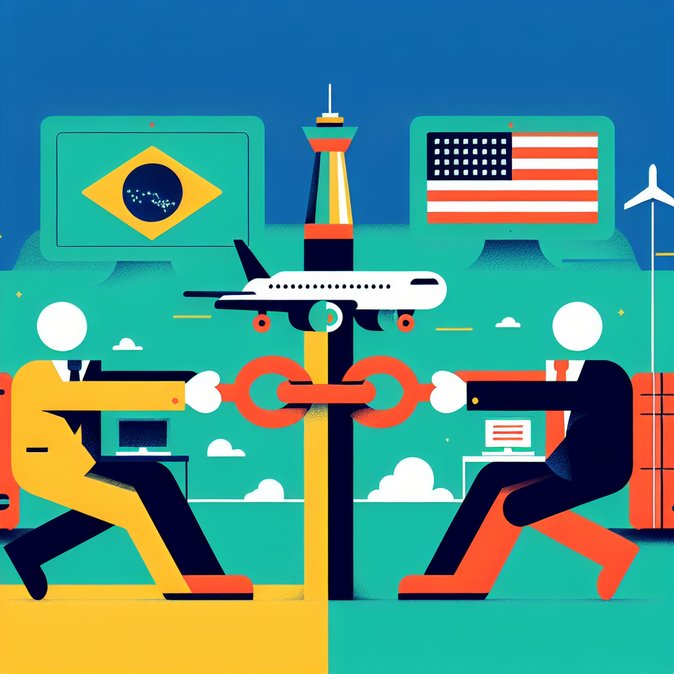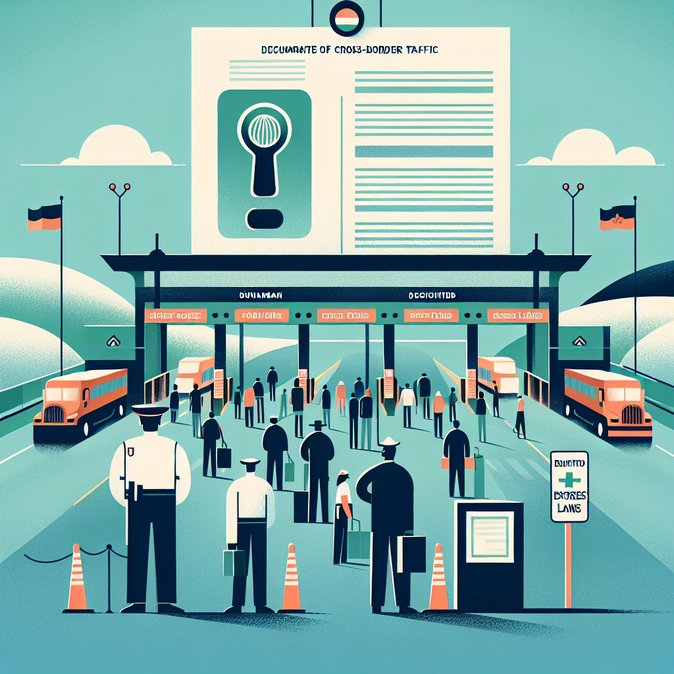
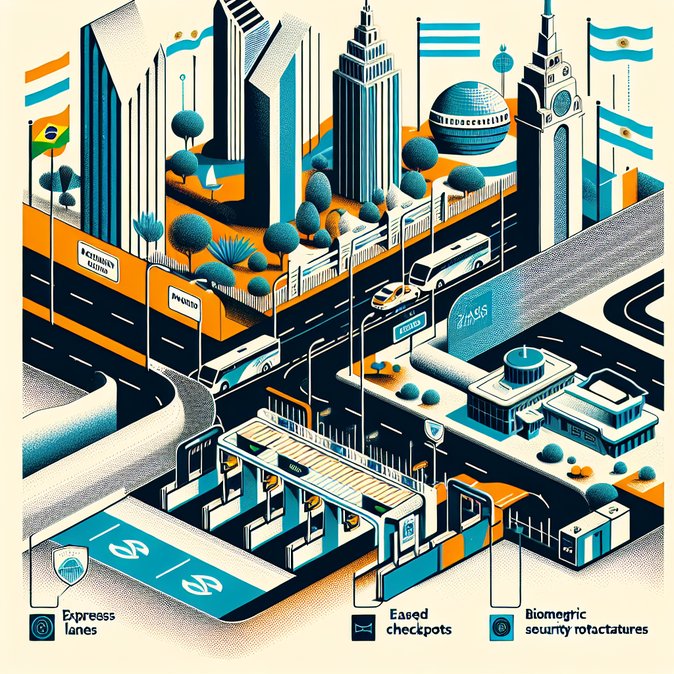
Brazilian President Luiz Inácio Lula da Silva signed Decree No 12.948, published in the Diário Oficial da União on 28 April 2026, which brings into force the MERCOSUR Agreement on Linked Border Localities. The pact—originally negotiated in 2019 by Brazil, Argentina, Paraguay and Uruguay—creates a dedicated Document of Cross-Border Traffic (DTVF) that will allow residents of 110 twin-city pairs along the 16,000-kilometre southern frontier to cross borders for work, study, health care and commerce with minimal red tape. Under the new rules, eligible frontier residents will be able to apply at local Polícia Federal posts for the five-year DTVF using only proof of domicile and a clean criminal record. Holders will enjoy labour-market parity with nationals on the other side of the border, access to public schools and hospitals, and a special “green lane” at busy checkpoints such as Foz do Iguaçu–Ciudad del Este and Santana do Livramento–Rivera. The agreement also simplifies temporary importation of private vehicles and exempts light cross-border freight from ATIT permits, cutting compliance costs for small traders.
![Brazil Promulgates Cross-Border Localities Agreement, Creating Fast-Track Frontier Mobility Document]()
Companies and residents looking for hands-on assistance with the new DTVF can turn to VisaHQ, which already supports Brazilian individuals and employers with visa processing and travel documentation. The firm’s local team can help applicants gather the required domicile and police-clearance papers, book Polícia Federal appointments, and keep track of renewals, streamlining compliance for both small traders and large multinationals. Learn more at https://www.visahq.com/brazil/
For multinational companies that staff plants on both sides of the frontier—automotive suppliers in Uruguaiana/Paso de los Libres or agribusiness processors in Ponta Porã/Pedro Juan Caballero—the DTVF promises faster deployment of technicians and a reduction in social-security double contributions. HR teams should update mobility policies to reflect that DTVF holders are treated as local hires for labour-law purposes, although immigration teams must still monitor criminal-record validity and DTVF expiry. Border municipalities expect the measure to formalise large pools of informal crossers. A 2025 UN-IOM study estimated that as many as 85,000 Brazilians worked daily in Argentina or Paraguay without proper documentation. Local chambers of commerce have welcomed the decree, projecting a 12 % increase in same-day cross-border retail sales within the first year. Security agencies, meanwhile, underline that the biometric DTVF—with QR code and linkage to MERCOSUR risk databases—will actually improve enforcement against human-smuggling rings. The decree takes effect immediately, but operational rollout will occur in phases as frontier police customise issuance software and train staff. Brazilian employers with facilities in the affected municipalities can already begin sponsoring applications; Argentina and Paraguay have indicated they will start recognising Brazilian DTVFs from 15 May onward, while Uruguay has set 1 June as its go-live date.
Companies and residents looking for hands-on assistance with the new DTVF can turn to VisaHQ, which already supports Brazilian individuals and employers with visa processing and travel documentation. The firm’s local team can help applicants gather the required domicile and police-clearance papers, book Polícia Federal appointments, and keep track of renewals, streamlining compliance for both small traders and large multinationals. Learn more at https://www.visahq.com/brazil/
For multinational companies that staff plants on both sides of the frontier—automotive suppliers in Uruguaiana/Paso de los Libres or agribusiness processors in Ponta Porã/Pedro Juan Caballero—the DTVF promises faster deployment of technicians and a reduction in social-security double contributions. HR teams should update mobility policies to reflect that DTVF holders are treated as local hires for labour-law purposes, although immigration teams must still monitor criminal-record validity and DTVF expiry. Border municipalities expect the measure to formalise large pools of informal crossers. A 2025 UN-IOM study estimated that as many as 85,000 Brazilians worked daily in Argentina or Paraguay without proper documentation. Local chambers of commerce have welcomed the decree, projecting a 12 % increase in same-day cross-border retail sales within the first year. Security agencies, meanwhile, underline that the biometric DTVF—with QR code and linkage to MERCOSUR risk databases—will actually improve enforcement against human-smuggling rings. The decree takes effect immediately, but operational rollout will occur in phases as frontier police customise issuance software and train staff. Brazilian employers with facilities in the affected municipalities can already begin sponsoring applications; Argentina and Paraguay have indicated they will start recognising Brazilian DTVFs from 15 May onward, while Uruguay has set 1 June as its go-live date.