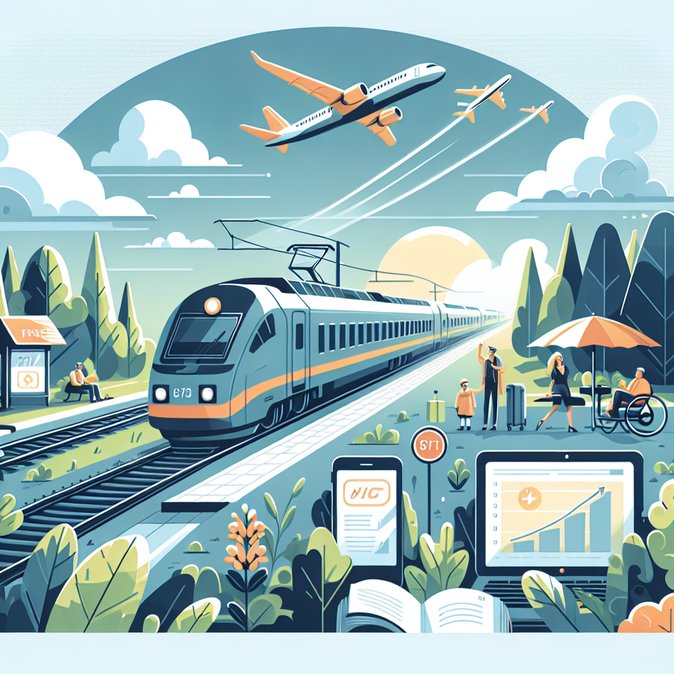
In a surprise weekend interview with Bild am Sonntag, Deutsche Bahn chief executive Evelyn Palla announced that all long-distance ICE fares will remain unchanged from 1 May 2026 until 30 April 2027. The move comes just six months after Palla promised a “Neustart” for the loss-making state rail operator, placing punctuality and affordability ahead of short-term profit. According to Palla, volatile energy and jet-fuel markets—driven by the war in the Middle East and renewed fighting in Ukraine—pose a serious risk to household budgets and corporate travel programmes. By guaranteeing stable prices, Deutsche Bahn hopes to shore up public confidence at a time when Germany is trying to coax travellers out of cars and short-haul flights to meet its 2030 climate targets. The 12-month price cap covers Flex-, Spar- and Super-Sparpreis tickets on all ICE routes, including premium business corridors such as Frankfurt–Berlin and Munich–Hamburg.
![Deutsche Bahn freezes ICE ticket prices for a full year amid fuel-price volatility]()
International visitors hoping to capitalise on these frozen fares can simplify their travel planning by using VisaHQ to secure any required documentation before arriving in Germany. The platform (https://www.visahq.com/germany/) offers up-to-date visa information, easy online applications and knowledgeable support, helping both leisure and corporate travellers focus on booking their rail journeys with confidence.
Corporate mobility managers welcomed the clarity, noting that many annual travel budgets were blown in 2025 when Flex fares rose 5.9 percent. “A one-year freeze lets us forecast costs and keep door-to-door carbon footprints low,” said the head of travel at a DAX-listed engineering firm. Analysts caution that the gesture will cost the railway an estimated €250 million in foregone revenue. Deutsche Bahn hopes to recoup at least part of that through higher passenger volumes and ancillary sales such as seat reservations and on-board catering. The company is also lobbying Berlin for a temporary energy-price subsidy similar to the one airlines receive for strategic fuel reserves. For business travellers the practical takeaway is straightforward: buy as you go, safe in the knowledge that prices will not spike during the next budget cycle. However, travellers should still expect disruption from infrastructure upgrades scheduled on the Rhine Valley and North-South corridors this summer, meaning journey-time buffers remain essential in travel policies.
International visitors hoping to capitalise on these frozen fares can simplify their travel planning by using VisaHQ to secure any required documentation before arriving in Germany. The platform (https://www.visahq.com/germany/) offers up-to-date visa information, easy online applications and knowledgeable support, helping both leisure and corporate travellers focus on booking their rail journeys with confidence.
Corporate mobility managers welcomed the clarity, noting that many annual travel budgets were blown in 2025 when Flex fares rose 5.9 percent. “A one-year freeze lets us forecast costs and keep door-to-door carbon footprints low,” said the head of travel at a DAX-listed engineering firm. Analysts caution that the gesture will cost the railway an estimated €250 million in foregone revenue. Deutsche Bahn hopes to recoup at least part of that through higher passenger volumes and ancillary sales such as seat reservations and on-board catering. The company is also lobbying Berlin for a temporary energy-price subsidy similar to the one airlines receive for strategic fuel reserves. For business travellers the practical takeaway is straightforward: buy as you go, safe in the knowledge that prices will not spike during the next budget cycle. However, travellers should still expect disruption from infrastructure upgrades scheduled on the Rhine Valley and North-South corridors this summer, meaning journey-time buffers remain essential in travel policies.