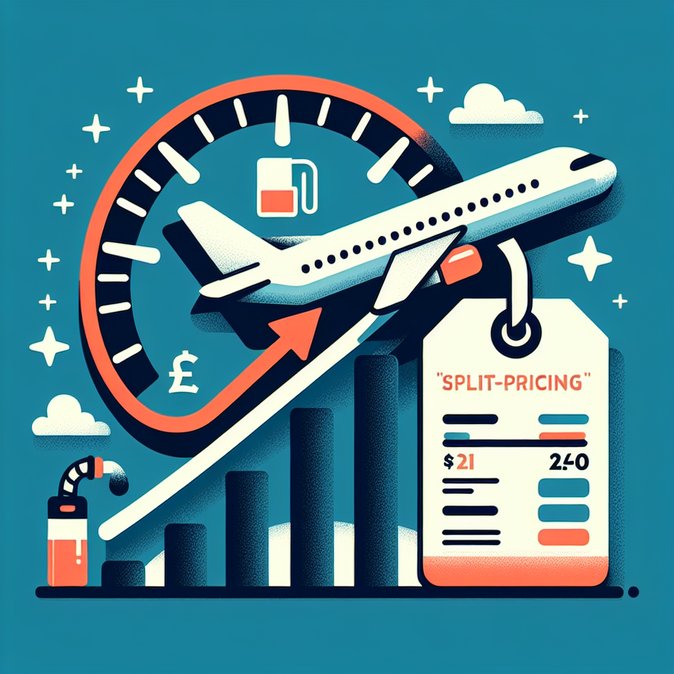
International Business Times Australia reports that soaring jet-fuel prices—driven by Middle-East tensions and Brent crude trading above USD 100—are forcing Qantas and Virgin Australia to rethink fare structures. Both carriers have raised prices on long-haul routes to Europe and parts of Asia where extended flight paths add fuel burn, yet are simultaneously running deep domestic sales to stimulate demand amid soft economic conditions. Aviation economists describe the tactic as “dual-track revenue management”: high-yield fares on constrained international sectors offset discounted seats on competitive leisure corridors. Data cited by IBTimes show Europe-bound fares rising 12–18% year-on-year, while domestic promotional tickets have appeared for as little as AUD 49 one-way. For corporate-travel buyers the message is mixed.
![Fuel-price spike triggers split-pricing strategy from Qantas and Virgin Australia]()
While price management is front-of-mind, ensuring travellers have the correct entry documents can be just as critical. VisaHQ’s Australian portal (https://www.visahq.com/australia/) streamlines visa and eTA processing for more than 200 destinations, giving companies a single dashboard to track applications and receive real-time status alerts—perfect for teams trying to lock in fares quickly while keeping travel compliant.
Executive trips to key markets such as London, Frankfurt or Singapore will cost more until fuel prices stabilise, particularly on short-notice bookings. Conversely, companies with large intra-Australia travel footprints may find budget relief in sale fares—but they will need robust approval workflows to capture time-limited deals. The article notes that both airlines’ hedging strategies influence how aggressively they can discount. Qantas’ historically strong hedge book allows some capacity to absorb volatility, whereas carriers with less cover may have to pass on costs more directly. Mobility managers should therefore monitor fuel-surcharge line items and consider alternative routings or cabin class downgrades where policy allows. Industry analysts expect pricing turbulence to persist into the northern-summer season. Organisations with significant travel exposure may wish to lock in bulk fares now or use capped-rate agreements tied to average fuel costs. Given that an empty seat generates zero revenue, airlines are likely to keep flash sales in play—but only on flights where load factors lag revenue targets.

While price management is front-of-mind, ensuring travellers have the correct entry documents can be just as critical. VisaHQ’s Australian portal (https://www.visahq.com/australia/) streamlines visa and eTA processing for more than 200 destinations, giving companies a single dashboard to track applications and receive real-time status alerts—perfect for teams trying to lock in fares quickly while keeping travel compliant.
Executive trips to key markets such as London, Frankfurt or Singapore will cost more until fuel prices stabilise, particularly on short-notice bookings. Conversely, companies with large intra-Australia travel footprints may find budget relief in sale fares—but they will need robust approval workflows to capture time-limited deals. The article notes that both airlines’ hedging strategies influence how aggressively they can discount. Qantas’ historically strong hedge book allows some capacity to absorb volatility, whereas carriers with less cover may have to pass on costs more directly. Mobility managers should therefore monitor fuel-surcharge line items and consider alternative routings or cabin class downgrades where policy allows. Industry analysts expect pricing turbulence to persist into the northern-summer season. Organisations with significant travel exposure may wish to lock in bulk fares now or use capped-rate agreements tied to average fuel costs. Given that an empty seat generates zero revenue, airlines are likely to keep flash sales in play—but only on flights where load factors lag revenue targets.