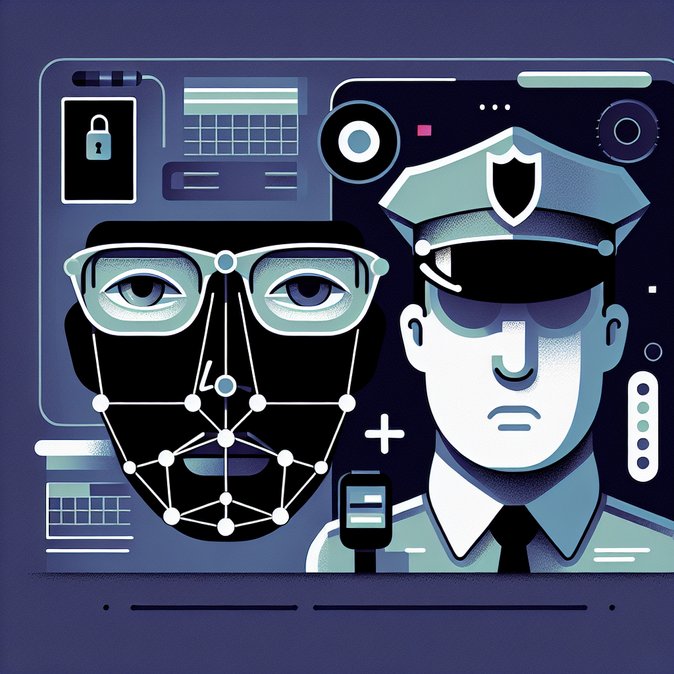
A quiet line in the Department of Homeland Security’s FY 2027 research budget allocates $7.5 million to develop prototype “smart glasses” that will give Immigration and Customs Enforcement officers real-time facial-recognition and database lookup capability in the field, The Hill first reported. According to leaked documents reviewed by journalist Ken Klippenstein, the wearable devices would scan faces and walking gaits against DHS and commercial datasets—up to 75 million records—then display match results in the agent’s lens. Officials hope to begin operational testing in early 2027.
![DHS budget earmarks $7.5 million for biometric “smart glasses” for field agents]()
For businesses, travelers, or expatriates who would rather avoid last-minute surprises as enforcement technology evolves, VisaHQ can simplify the entire visa or immigration-document process. Its digital platform walks users through requirements for the United States and more than 200 other destinations, offering live support, secure uploads and real-time tracking—tools that can prove invaluable if workers suddenly need proof of lawful status during an on-the-spot check. Learn more at https://www.visahq.com/united-states/
Civil-liberties groups pounced. The ACLU warns that the project blurs the line between border enforcement and mass surveillance, potentially allowing agents to identify protesters or U.S. citizens—without warrants—while walking city streets. Similar glasses piloted by CBP at LAX last year logged a 13 percent false-positive rate for people of color, raising discrimination concerns. For global employers, the technology could broaden on-the-spot immigration checks in workplaces and transportation hubs, increasing the need for workers to carry proof of lawful status at all times. Privacy officers may also face new due-diligence questions from relocating staff worried about biometric tracking. DHS responded that it “will comply with all applicable privacy laws” and insists the glasses merely condense tools agents already possess on ruggedized tablets. Lawmakers on the House Homeland Security Committee have requested a briefing; funding could still be re-programmed if oversight panels object.

For businesses, travelers, or expatriates who would rather avoid last-minute surprises as enforcement technology evolves, VisaHQ can simplify the entire visa or immigration-document process. Its digital platform walks users through requirements for the United States and more than 200 other destinations, offering live support, secure uploads and real-time tracking—tools that can prove invaluable if workers suddenly need proof of lawful status during an on-the-spot check. Learn more at https://www.visahq.com/united-states/
Civil-liberties groups pounced. The ACLU warns that the project blurs the line between border enforcement and mass surveillance, potentially allowing agents to identify protesters or U.S. citizens—without warrants—while walking city streets. Similar glasses piloted by CBP at LAX last year logged a 13 percent false-positive rate for people of color, raising discrimination concerns. For global employers, the technology could broaden on-the-spot immigration checks in workplaces and transportation hubs, increasing the need for workers to carry proof of lawful status at all times. Privacy officers may also face new due-diligence questions from relocating staff worried about biometric tracking. DHS responded that it “will comply with all applicable privacy laws” and insists the glasses merely condense tools agents already possess on ruggedized tablets. Lawmakers on the House Homeland Security Committee have requested a briefing; funding could still be re-programmed if oversight panels object.